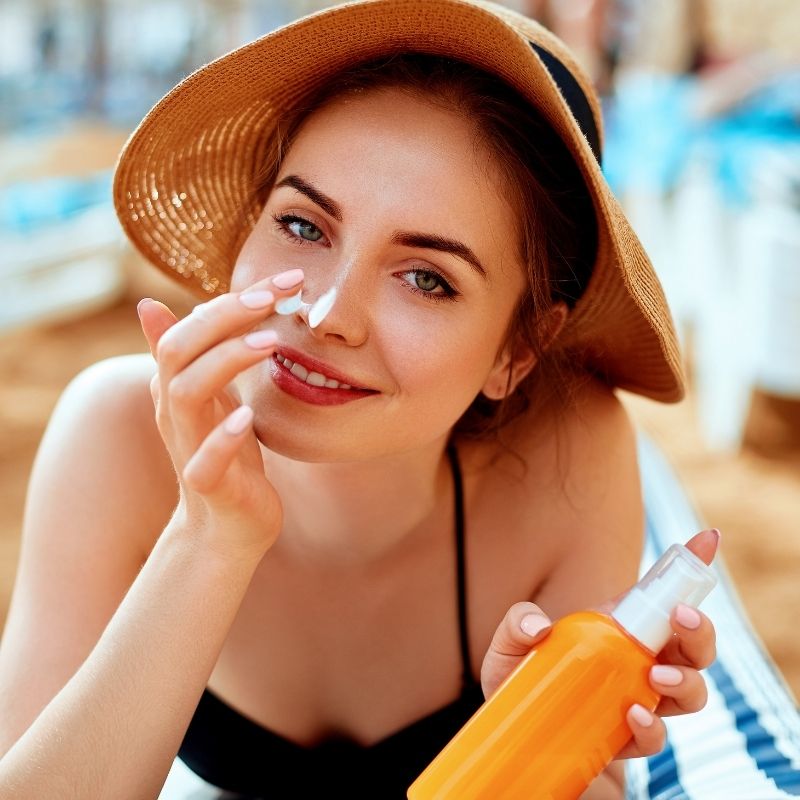
When should I apply sunscreen?

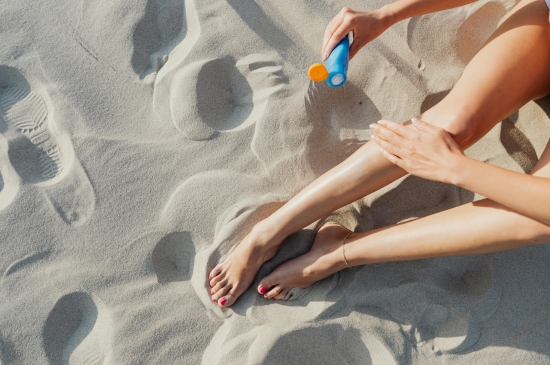
The application of sunscreen often raises a number of questions as soon as the hot weather arrives. While it is a given that we should cover ourselves at the beach, its use in everyday life is sometimes not very clear to many of us. Ultraviolet rays, invisible to the naked eye, attack our skin year-round, even through thick cloud cover. They promote premature skin aging and the appearance of unsightly pigment spots.
Knowing the right time to apply protective fluid is essential to effectively support the skin against repeated external aggressions. This comprehensive guide is specially designed to answer all your practical questions on the subject.
Together we will go over the most important moments of the day and the steps to follow so you don’t make any more mistakes. You will also discover our selection of the best dermatological formulas designed to help you keep your face and body comfortable at all times.
Key data:
- Always apply the protective treatment as the last step in your morning routine.
- In case of direct exposure to sunlight, reapply generously every two hours.
- UVA rays penetrate through windows, so daily urban protection is essential.
- The ideal amount is about two fingers for the face and neck.
- Very cloudy skies let in a lot of UV rays, which requires constant vigilance.
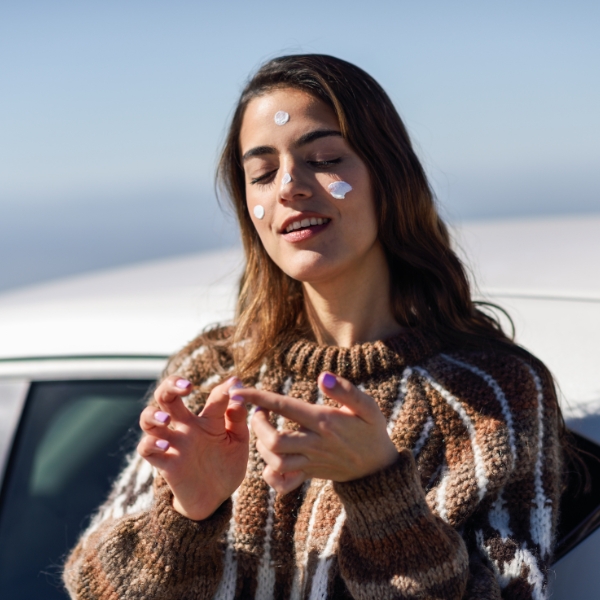
Do you need to protect yourself even in the middle of winter?
UVB rays, responsible for sunburn in summer, decrease dramatically in intensity during winter. In contrast, the amount of UVA rays remains almost constant throughout the year, from morning to evening.
It is precisely these rays that penetrate deep into the dermis and accelerate cellular aging. The use of adequate protection is really helpful for the normal functioning of the skin, regardless of the season or temperature. Daily supplementation of a UV filter goes a long way toward preserving your precious skin capital.
When to apply sunscreen as part of the morning routine?
The order in which cosmetics are applied largely determines their overall effectiveness. UV protection should always be the last step in the morning skin care routine, right before makeup.
Basically, first gently cleanse your face, apply your usual serum and then your day moisturizer. Let it all penetrate well for a few minutes so as not to weigh down the texture.
Next, apply your protective fluid generously. This will form a real physical or organic shield on the surface of the epidermis. If you wish to apply makeup, wait a few moments before applying foundation or concealer.
At what time of day is it important to protect yourself?
The intensity of ultraviolet radiation varies greatly depending on the time of day and overall sunshine. According to the French National Agency for Health and Safety (ANSES), it is essential to be extremely vigilant between 12 noon and 4 pm.
Indeed, during this period, the rays fall vertically and are particularly aggressive towards cellular tissues. However, exposure in the morning or late afternoon is not entirely harmless to the skin.
Although the sensation of heat is much less noticeable on the skin, UVA rays still penetrate into the deeper layers. It is therefore very important to maintain a good level of protection whenever you plan to spend time outdoors.
How long before exposure should I apply sunscreen?
This is an excellent habit that is unfortunately too often ignored. Don’t wait until you are comfortably seated on the warm sand to start slathering on your protective liquid.
Organic filters, often called chemical filters, need time to interact with the stratum corneum and become fully activated. It is highly recommended that you apply the fluid twenty to thirty minutes before going outside.
This short time frame allows the cosmetic product to dry properly, form a very even protective film, and effectively resist the first rubbing of clothing or light perspiration.
How often should I repeat the application during the day?
A morning application in front of the mirror is by no means enough to spend an entire day outdoors. Sweat, rubbing hands on the face or contact with clothing quickly breaks down the invisible protective film.
Dermatological advice in this regard is very strict: reapply generously every two hours after prolonged direct exposure to the sun.
This reapplication should also be immediate and systematic after every bath or if you have sweated profusely after a sports activity. This should be done even if the skin care product claims to be particularly water-resistant.
How much sunscreen should I apply to my face?
The effectiveness of an SPF factor is tested in the laboratory using a very precise dosage of 2 milligrams of product per square centimeter of skin. In reality, users often apply only half the amount, thus dividing the protection.
To actually achieve the protection factor indicated on the packaging, the two-finger method is a great visual trick. It involves drawing two lines of product along the index and middle fingers.
This amount, which may seem high at first glance, is ideal for evenly covering the entire face, neck and nape of the neck. Don’t forget to pay special attention to sensitive areas, such as the earlobes or the top of the nose.
What are the pitfalls to avoid during implementation?
The first, and very classic, pitfall is the obvious neglect of some extremely vulnerable areas of the body. The backs of the hands, the instep, the backs of the knees, and the edge of the scalp often get burned by simple carelessness.
Another major pitfall is the weather on cloudy days. Light clouds easily let through more than80 percent of UV rays. A nice cool feeling in the wind does not mean your cells are safe.
Finally, storing and using an open tube from one year to the next is a bad idea. Filters lose their chemical stability and protective effectiveness, greatly increasing the risk of severe sunburn.
How can I adapt the application to my skin type?
Each phototype reacts very differently to the sun’s rays. Very fair and reactive skins should opt for an SPF 50+ as soon as the sun begins to shine, combining extremely rigorous reapplications.
Dull or naturally darker skins have more protective melanin, but are by no means immune to deep cellular damage. SPF 30 or 50 is usually adequate, provided it is applied regularly and without fail.
If you have combination or acne-prone skin, do not hesitate to choose fluid, non-comedogenic textures. For drier skin, a formula rich in active moisturizing ingredients will promote skin comfort throughout the day.
The top 5 solar products

Comparison table: our selection for optimal protection
To guide you in your purchasing, we have selected and analyzed five formulas that meet specific needs, combining high tolerance and sensory.
| Product | Composition | Benefits | For whom. | Strengths and Weaknesses. |
|---|---|---|---|---|
| Eucerin Oil Control Cream-Gel SPF50. | Advanced Spectral Technology, Licochalcone A, L-Carnitine. | Helps limit shine and provides a long-lasting matte finish. | Combination to oily skin prone to imperfections. | + Immediate dry touch anti-shine. – Requires quick application. |
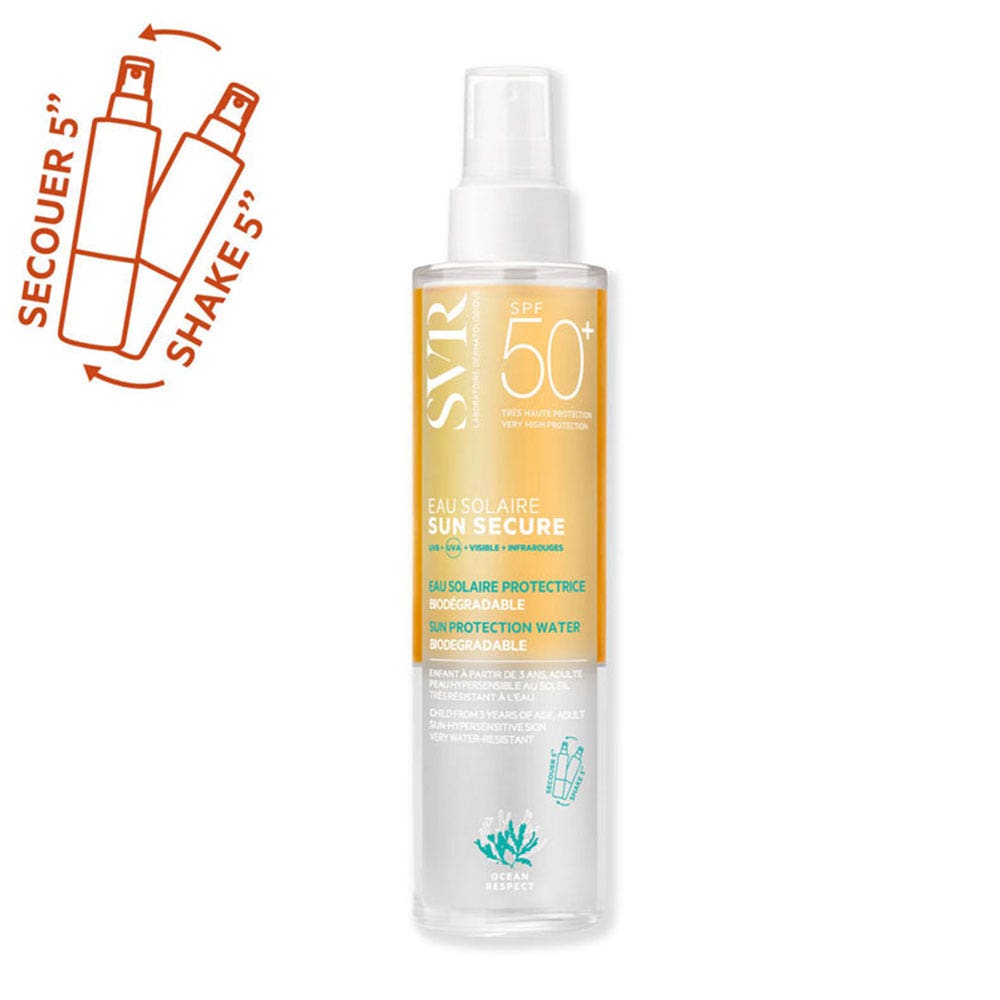
| SVR Sun Secure Protective Water SPF50 | Combination of organic filters and antioxidant complex. | Provides very high protection in a refreshing, watery texture. | All skin types, lovers of ultra-light textures. | + Highly innovative biodegradable biphasic formula. – Slightly satiny finish on the skin. |
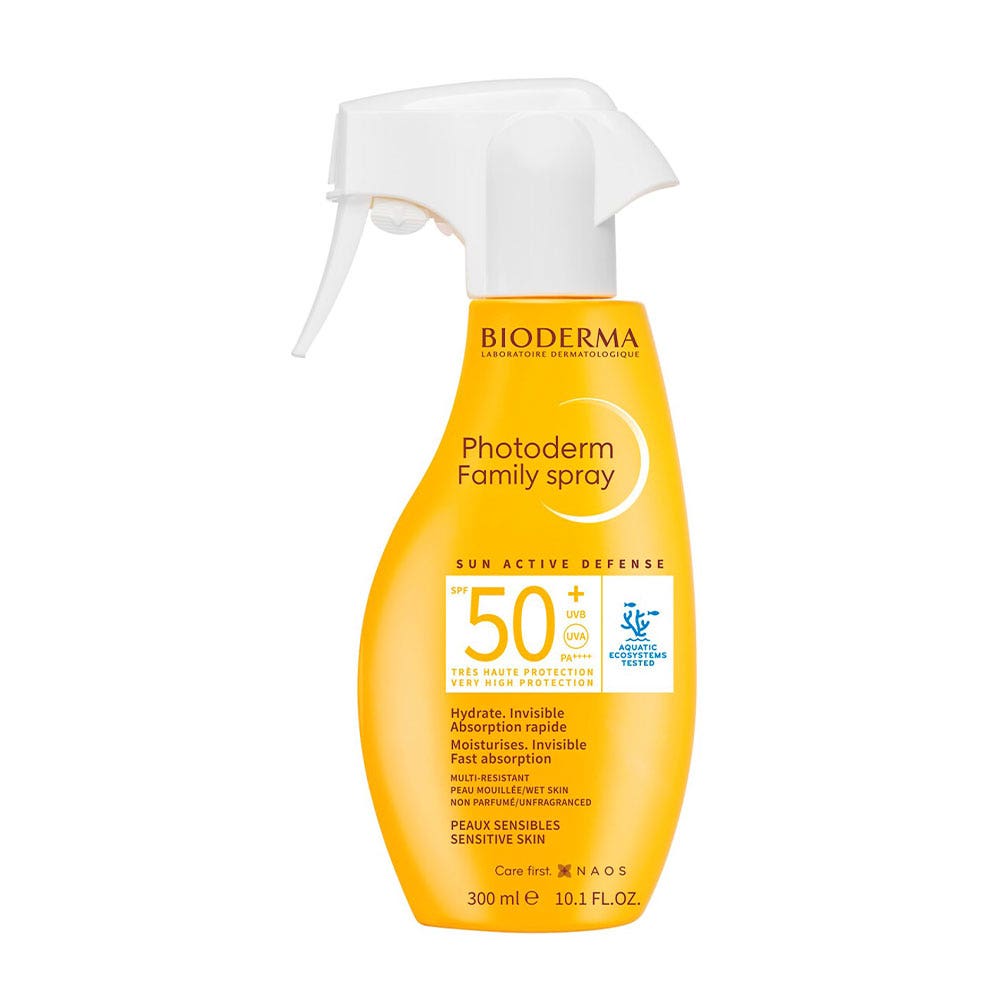
| Bioderma Photoderm Spray SPF30 | Patented cellular bioprotection, high-tolerance UVA/UVB filters. | Helps preserve the skin’s natural defenses against the sun. | Ideal for the body and sensitive skin. | + Large, economical 400 ml format. – Index 30 insufficient for very fair skin. |
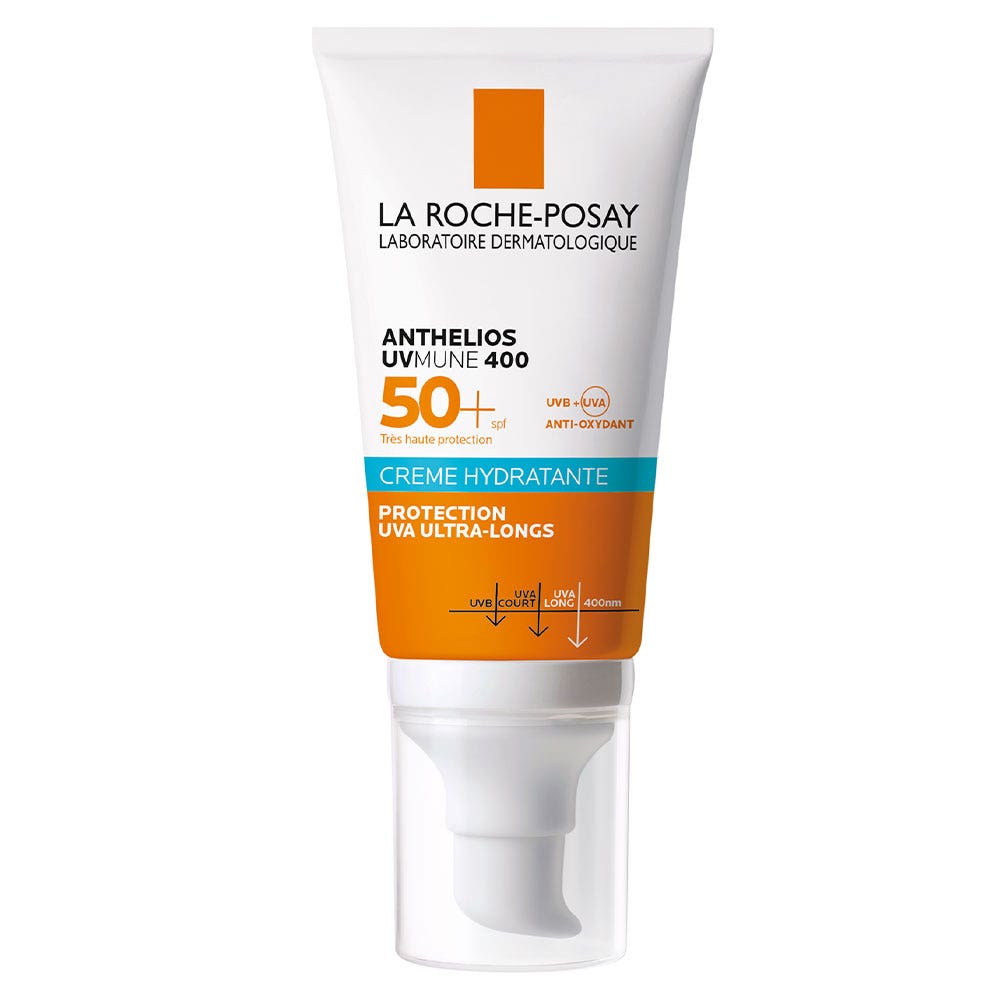
| La Roche-Posay Anthelios UVMune 400 SPF50 | New patented Mexoryl 400 filter, Thermal Spring Water, Glycerin. | Effectively protects against very insidious ultra-long UVA rays. | Sensitive skin or skin prone to sun intolerance. | + Very high resistance to water and sweat. – Scented formula that may bother some noses. |
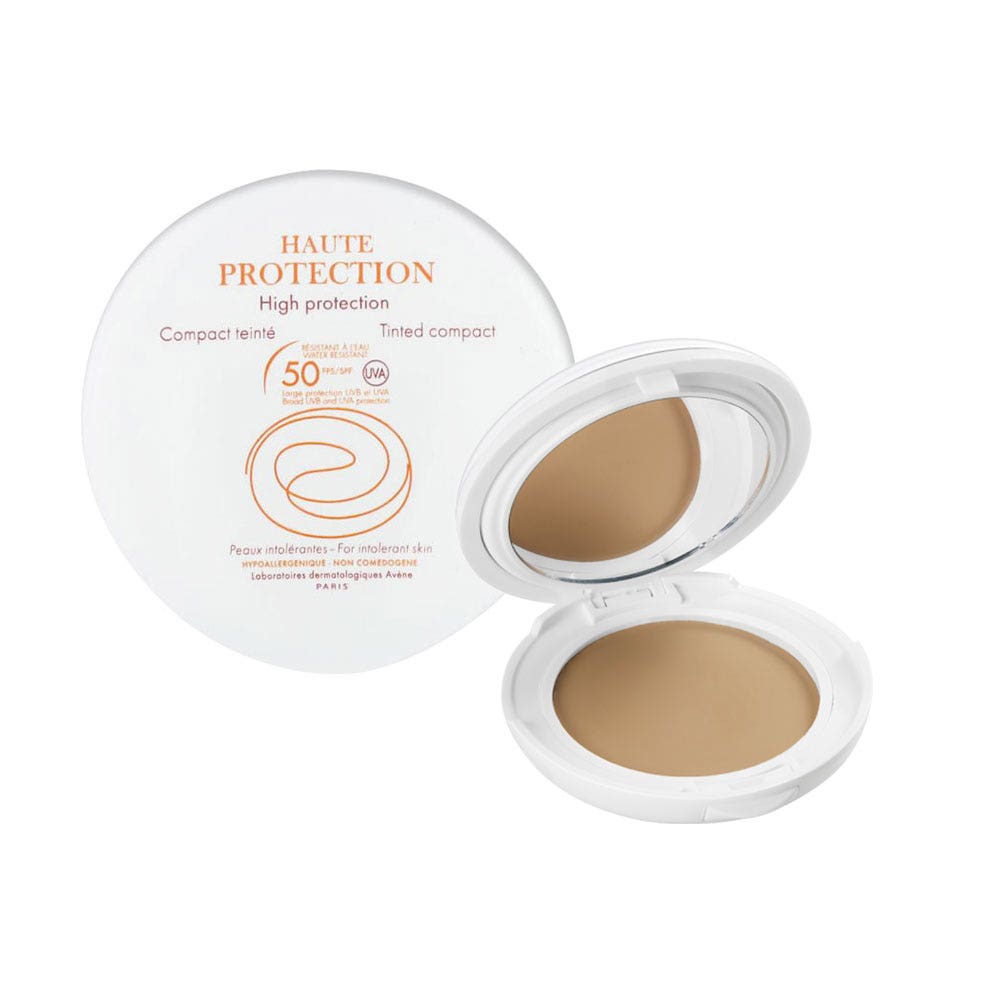
| Avene Sun Care Compact Sand Tinted Sun Treatment SPF50. | 100% Mineral complex, Pre-tocopheryl (antioxidant), Thermal water. | Helps even out the complexion and conceal minor skin imperfections. | For skin intolerant to chemical filters or after cosmetic procedures. | + 2-in-1 product that combines makeup and protection. – Slightly thick cream texture to work with. |
Detailed analysis
Eucerin Dry Touch Cream-Gel Oil Control SPF50
Eucerin has developed a formula specifically for delicate skin. This gel-cream is a revolution for those who fear the sticky feeling of conventional sunscreens on the face.
Thanks to L-Carnitine and absorbent micro-particles, it helps limit excess sebum throughout the day. Its perfectly matte finish makes it easy to apply makeup immediately afterwards.
SVR Sun Secure Biodegradable Sunscreen Water SPF50
SVR offers a totally different sensory approach with this two-phase protective water. Simply shake the bottle vigorously to mix the aqueous and oily phases before spraying it on the body.
This evanescent texture leaves no white marks and provides a very pleasant feeling of freshness on hot days. In addition, its formula has been rigorously tested to ensure that it respects the marine ecosystem.
Bioderma Photoderm SPF30 Spray
Bioderma Photoderm Spray is the perfect companion for the family. Its generous 400 ml trigger size makes it easy to apply the product all over the body, even on the backs of the most restless children.
The unique patented Cellular Bioprotection helps the body maintain skin cells against exposure-induced oxidative stress. Its melting texture continuously moisturizes the skin without ever sticking to summer clothes.
La Roche-Posay Anthelios UVMune 400 Perfumed Cream SPF50
La Roche-Posay pushes the limits of protection with its exclusive Mexoryl 400 filter. This technological innovation forms a barrier against ultra-long, extremely penetrating and hitherto poorly filtered UVA rays.
Its creamy texture is particularly suitable for normal and dry skin. It helps soothe feelings of discomfort while providing even coverage that is highly resistant to water and beach sand.
Avene Sun Care Compact Sand Tinted Sun Cream SPF50
This compact powder is the ideal solution for combining aesthetic coverage and dermatological protection. Formulated without chemical filters, it uses high-tolerance mineral shields to reflect rays like a mirror.
The sandy shade is perfect for fair to medium complexions. It helps even out the complexion, camouflage recent redness or scars, and provides excellent protection in the city.
"I often notice that in our morning routine we forget about the neck, cleavage and décolletage. However, these areas are very exposed, fragile and quickly show signs of aging. Get into the habit of generously lowering protection down to the chest. To facilitate mandatory touch-ups around town without ruining your makeup, opt for an invisible dry mist or powder with SPF. These are perfect alternatives to maintain your protection all day long.
FAQ - Answers to your questions
It is highly recommended to keep sunscreen on as long as the sun is shining and the UV index (provided by the weather forecast) is above 3. Even at the end of the day, around 5 p.m. or 6 p.m. in summer, UVA rays still penetrate the atmosphere and exert strong pressure on skin cells.
Of course. Protecting yourself under an umbrella or a tree does not totally eliminate radiation. The glare of rays on clear sand, water, concrete or even snow reflects a large amount of ultraviolet rays directly onto the skin, requiring continuous protection.
A day cream with SPF 15 or 20 is a great first step for morning commutes or going to the office. However, the amount applied is rarely enough to achieve the promised SPF. It is no substitute for a real sunscreen if you are going to lunch on the terrace.
A foundation or BB cream with SPF provides attractive support, but an extremely thick and unsightly layer must be applied to achieve the indicated rate. Make-up should be considered as additional protection and ideally should be applied over a true dermatological sunscreen fluid.
Sources
HAS (French National Health Authority): Medical recommendations on sun prevention and protection from skin cancer risk.
ANSES (Agence Nationale de Sécurité Sanitaire de l’Alimentation, de l’Environnement et du Travail): Data and expert reports on ultraviolet radiation and UV index intensity by time of day.
Vidal: Medical reference dictionary explaining the use of sunscreens and precautions for use according to skin type.