Top 5 Best Non-Comedogenic Sunscreens


Taking care of your skin is essential, and applying sunscreen every day is one of the best ways to preserve its health and appearance. However, for combination, oily, or acne-prone skin, choosing the right sunscreen can be challenging. Some formulas are too rich or occlusive and may contribute to the formation of clogged pores, blackheads, and blemishes.
This is where non-comedogenic sunscreens come in. Specially formulated not to clog pores, they provide effective protection against UVA and UVB rays while helping maintain the skin’s natural balance.
In this article, we’ll explain what a non-comedogenic sunscreen is, why it’s important, how to choose and apply one correctly, and finally, we’ll share our selection of the five best non-comedogenic sunscreens suitable for all skin types—including sensitive skin.
Non-Comedogenic Sunscreens: Key Takeaways
- A non-comedogenic sunscreen protects the skin without clogging pores.
- It is especially important for combination, oily, and blemish-prone skin.
- UV exposure can worsen acne, post-acne marks, and premature skin aging.
- A lightweight texture—such as a fluid, gel, or emulsion—helps reduce excess shine and the risk of breakouts.
- Daily application is recommended all year round.
What Is a Non-Comedogenic Sunscreen?
Why Is It Important to Use a Non-Comedogenic Sunscreen?
Sun exposure has a significant impact on skin health, and unprotected UV exposure can lead to:
- Premature skin aging, including wrinkles and dark spots.
- An increased risk of skin cancer associated with UV radiation.
- A worsening of skin concerns, particularly in people with acne-prone or blemish-prone skin.
In addition to these visible effects, UV rays can weaken the skin barrier and contribute to dehydration. In response, the skin may produce more sebum, leading to increased shine and a higher likelihood of clogged pores and breakouts. This makes choosing the right sunscreen especially important for oily and acne-prone skin.
Some traditional sunscreens contain heavy or occlusive ingredients that may feel greasy and contribute to breakouts. Choosing a non-comedogenic sunscreen allows you to benefit from effective sun protection without clogging pores or overwhelming the skin.
Daily sunscreen use also helps prevent post-inflammatory hyperpigmentation (PIH), a common concern for people with acne. Without adequate UV protection, acne marks can become darker and more persistent, making them more difficult to fade over time. A non-comedogenic sunscreen is therefore an essential part of a skincare routine for maintaining a clearer, more even-looking complexion.
How Can You Identify a Non-Comedogenic Sunscreen?
To make sure you’re choosing a sunscreen that protects your skin without increasing the risk of breakouts, look for the following features:
- The label “non-comedogenic” on the packaging.
- A lightweight texture, such as a fluid, gel, or emulsion, rather than a thick, heavy cream.
- Suitable UV filters. Mineral filters such as zinc oxide and titanium dioxide are often well tolerated by sensitive skin and are generally less likely to cause irritation.
- An oil-free formula to help prevent excess shine and avoid weighing the skin down.
- Beneficial skincare ingredients such as niacinamide, zinc, or salicylic acid, which can help regulate excess sebum and support blemish-prone skin.
It is also advisable to avoid sunscreens containing heavy silicones, mineral oils, or drying alcohols, as these ingredients may disrupt the skin’s balance or feel uncomfortable on oily and acne-prone skin.
What Are the Benefits of a Non-Comedogenic Sunscreen?
In addition to providing effective sun protection, a quality non-comedogenic sunscreen offers several important benefits:
- Protects against UV rays: Helps prevent premature skin aging and reduces the risk of UV-related skin cancers.
- Helps prevent breakouts: Its lightweight formula allows the skin to breathe while reducing the likelihood of clogged pores and blemishes.
- Controls excess shine: Some formulas contain mattifying ingredients that help reduce the oily finish often associated with traditional sunscreens.
- Suitable for sensitive skin: Formulated without harsh or irritating ingredients, they help preserve the skin’s natural balance.
- Complements acne treatments: Some non-comedogenic sunscreens contain soothing ingredients that help offset the dryness and irritation caused by acne treatments.
- Provides lightweight hydration: They moisturize the skin without leaving a greasy or heavy feeling.
- Helps prevent dark spots: By protecting against UV exposure, they reduce the risk of post-inflammatory hyperpigmentation, particularly after acne or acne scars.
- Works well under makeup: Their lightweight, fluid texture creates an excellent base for foundation without causing pilling, heaviness, or excess shine.
- Leaves no white cast: Modern formulations blend invisibly into the skin and are suitable for a wide range of skin tones.
Thanks to these many benefits, a non-comedogenic sunscreen is an essential part of any skincare routine, helping keep your skin protected, healthy, and radiant all year round.

How Should You Apply a Non-Comedogenic Sunscreen Correctly?
o ensure optimal sun protection, it’s essential to apply your non-comedogenic sunscreen correctly. First, make it part of your daily skincare routine by applying it every morning, even on cloudy days or when the sun doesn’t seem particularly strong. UV rays can penetrate clouds and cause skin damage that may not be immediately visible but can have significant long-term effects.
The amount of sunscreen you apply is just as important as the product itself. For adequate protection, use approximately one teaspoon of sunscreen to cover your face and neck. Applying too little significantly reduces the level of protection and may leave parts of the skin exposed to harmful UVA and UVB rays.
Reapply your sunscreen every two hours, especially after swimming, exercising, or excessive sweating. Even water-resistant sunscreens gradually lose their effectiveness and should be reapplied regularly to ensure continuous protection.
As part of your skincare routine, sunscreen should be applied as the final step, after your moisturizer and before makeup. This helps maximize its effectiveness without interfering with the performance of the products applied underneath.
Don’t skip sunscreen during the winter months. UV rays are present all year round and can contribute to premature skin aging, even on cold or overcast days.
By making these simple habits part of your daily routine, you can help protect your skin, maintain a healthy-looking complexion, and reduce the appearance of blemishes and UV-induced skin damage.
The Different Types of Non-Comedogenic Sunscreens
Non-comedogenic sunscreens are available in several formats to suit different skin types, lifestyles, and personal preferences:
- Mineral sunscreens: Formulated with mineral UV filters such as zinc oxide or titanium dioxide, these are particularly suitable for sensitive and reactive skin. They create a protective barrier on the skin’s surface and are often recommended for people prone to sun allergies.
- Fluid sunscreens: Lightweight and virtually invisible on the skin, fluid formulas are ideal for everyday use under makeup. They spread easily, provide even coverage, and leave no greasy or sticky residue.
- Tinted sunscreens: These offer the dual benefit of broad-spectrum UV protection while helping to even out the complexion. They are ideal for those who want light coverage to reduce the appearance of blemishes or redness.
- Mattifying sunscreens: Enriched with sebum-regulating ingredients, these formulas help control excess oil and shine throughout the day, making them an excellent choice for oily and combination skin.
- Gel sunscreens: Ultra-lightweight and fast-absorbing, gel formulas are perfect for combination to oily skin. They provide a fresh, non-sticky finish and are especially appreciated by those who prefer lightweight skincare.
- Hybrid sunscreens: These combine mineral and chemical UV filters to deliver high sun protection while maintaining a comfortable, easy-to-apply texture. They are well suited to normal and combination skin and are designed to avoid leaving a noticeable white cast.
With so many options available, it’s easy to find a non-comedogenic sunscreen that matches your skin type and personal preferences, allowing you to enjoy effective daily sun protection without compromising on comfort or cosmetic elegance.
Our Selection of the 5 Best Non-Comedogenic Sunscreens
| Product | Skin Type | Texture | Main Benefit |
|---|---|---|---|
| La Roche-Posay Anthelios UVMUNE 400 Oil Control SPF 50+ | Oily, acne-prone skin | Gel-cream | Mattifying, dry-touch finish |
| Eucerin Sun Oil Control Gel-Cream SPF 50+ | Oily, acne-prone skin | Gel-cream | Oil control, anti-shine |
| Bioderma Photoderm Mineral SPF 50+ Tinted | Sensitive, intolerant skin | Tinted fluid | Mineral protection, evens out skin tone |
| Avène Cleanance SPF 50+ | Oily, blemish-prone skin | Cream | Anti-shine, sebum-regulating |
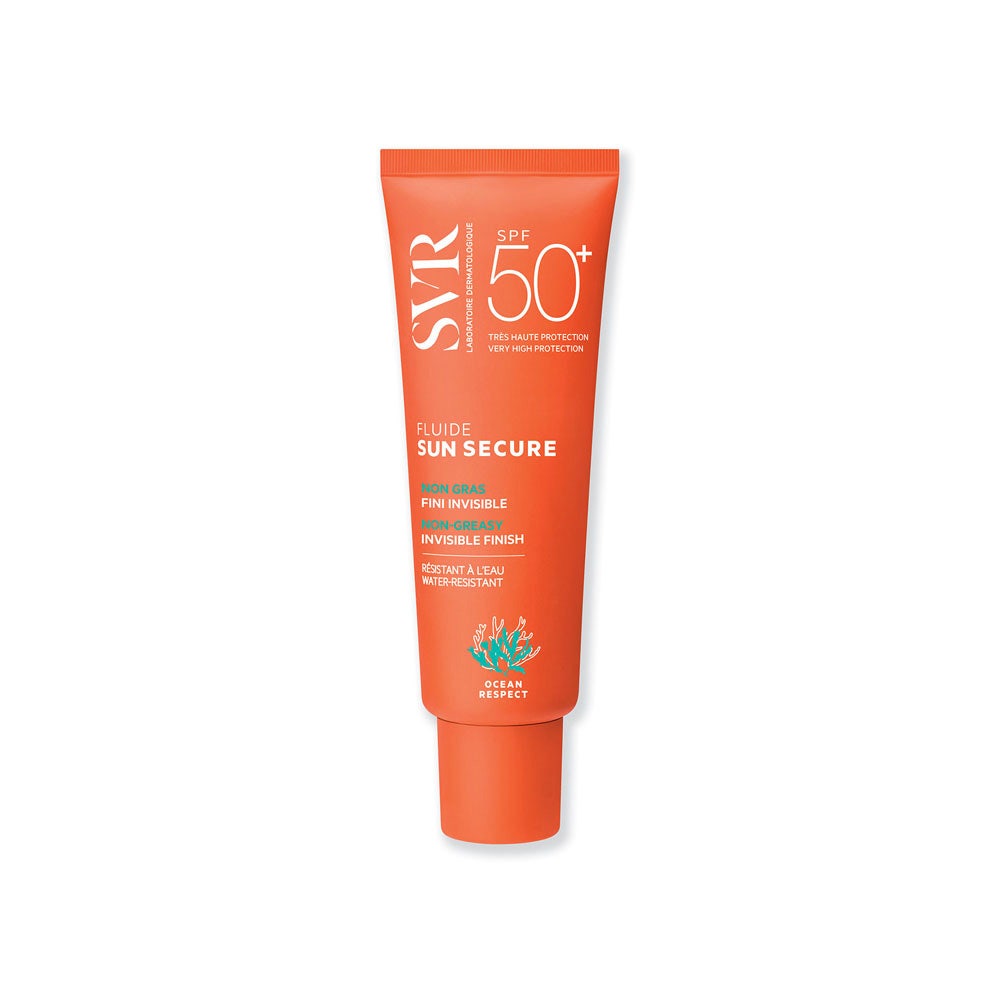
| SVR Sun Secure Fluid SPF 50+ | Sensitive, reactive skin | Fluid | High tolerance, daily sun protection |
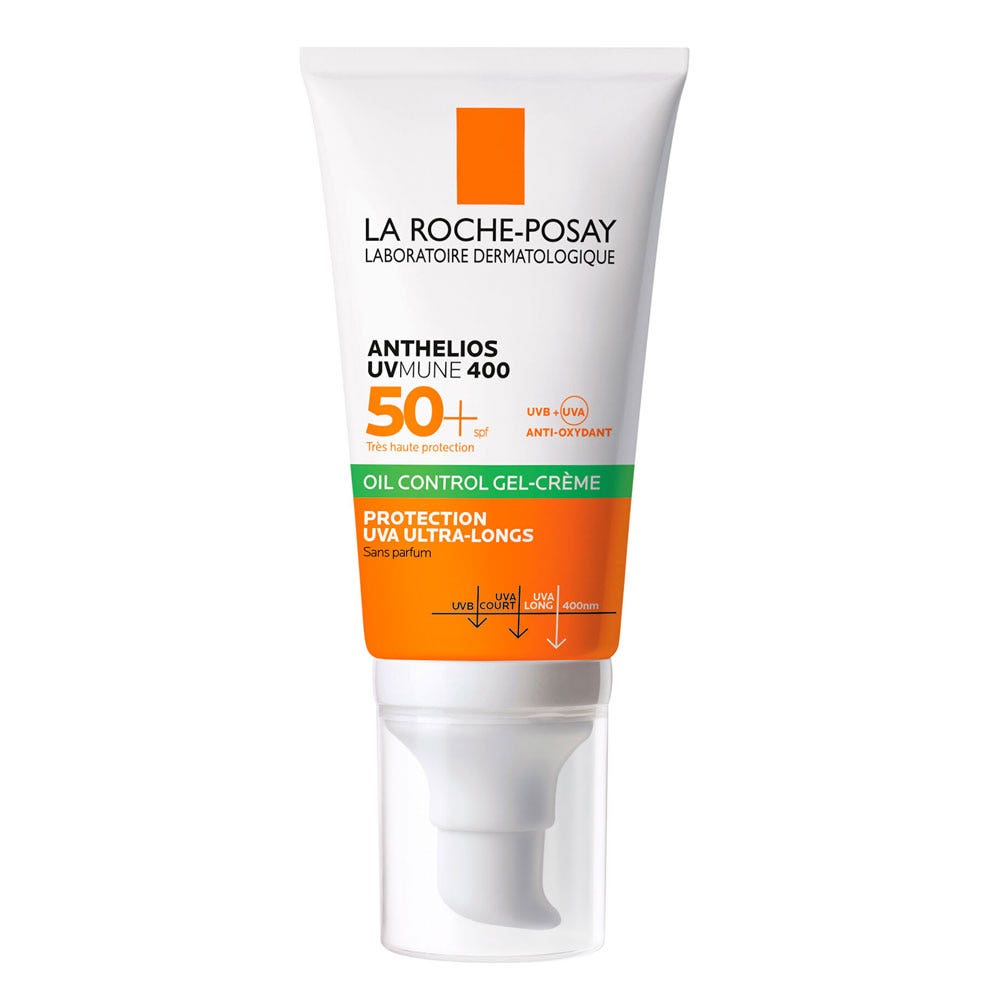

1. La Roche-Posay Anthelios UVMUNE 400 Oil Control SPF 50+
La Roche-Posay Anthelios UVMUNE 400 Oil Control SPF 50+ is specifically formulated for oily and acne-prone skin. Featuring the patented Airlicium™ technology, it immediately absorbs excess sebum and helps control shine throughout the day. Its ultra-light gel-cream texture leaves a dry-touch, non-greasy finish, making it an excellent base under makeup. In addition to its mattifying effect, it provides very high broad-spectrum UVA and UVB protection, helping to prevent premature skin aging caused by sun exposure. Non-comedogenic and water-resistant, it is an excellent choice for blemish-prone skin.
2. Eucerin Sun Oil Control Gel-Cream SPF 50+
Eucerin Sun Oil Control Gel-Cream SPF 50+ is ideal for oily and acne-prone skin. Its lightweight gel-cream texture absorbs quickly without leaving a greasy or sticky residue, providing a long-lasting dry-touch finish. Formulated with L-Carnitine and oil-absorbing microparticles, it helps regulate sebum production while instantly reducing shine. In addition to its mattifying properties, it offers effective protection against UVB, UVA, and HEV (high-energy visible) light, which can contribute to premature skin aging. Dermatologically tested and non-comedogenic, it is designed not to clog pores or promote breakouts.
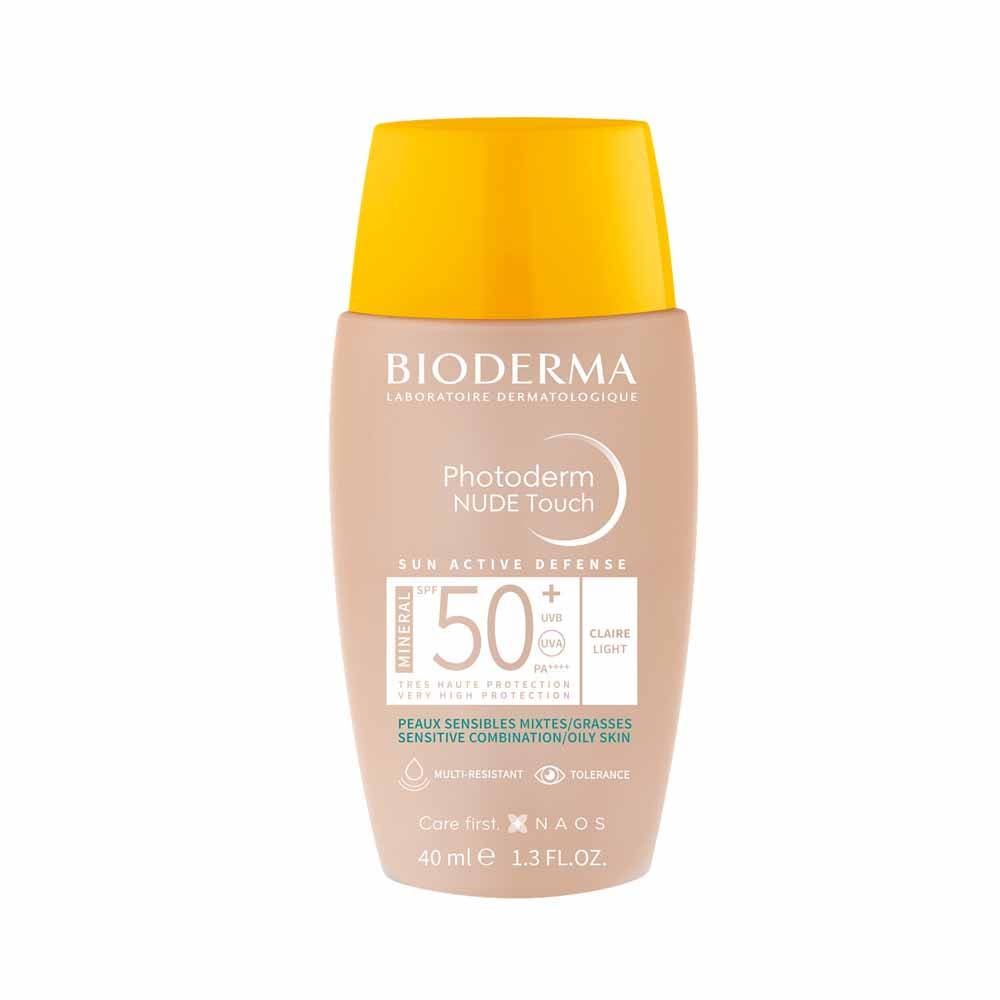
3. Bioderma Photoderm Mineral SPF 50+ Tinted
Bioderma Photoderm Mineral SPF 50+ Tinted is a tinted sunscreen designed for sensitive skin and for those who are intolerant to chemical UV filters. Formulated with 100% mineral filters, it provides very high protection against UVA and UVB rays while respecting the skin’s natural balance. Its ultra-lightweight, skin-like texture helps even out the complexion without clogging pores, leaving a soft, matte finish. Enriched with antioxidants, it helps strengthen the skin’s natural defenses against oxidative stress caused by environmental aggressors. Non-comedogenic and hypoallergenic, it is ideal for reactive skin seeking both sun protection and a naturally perfected complexion.
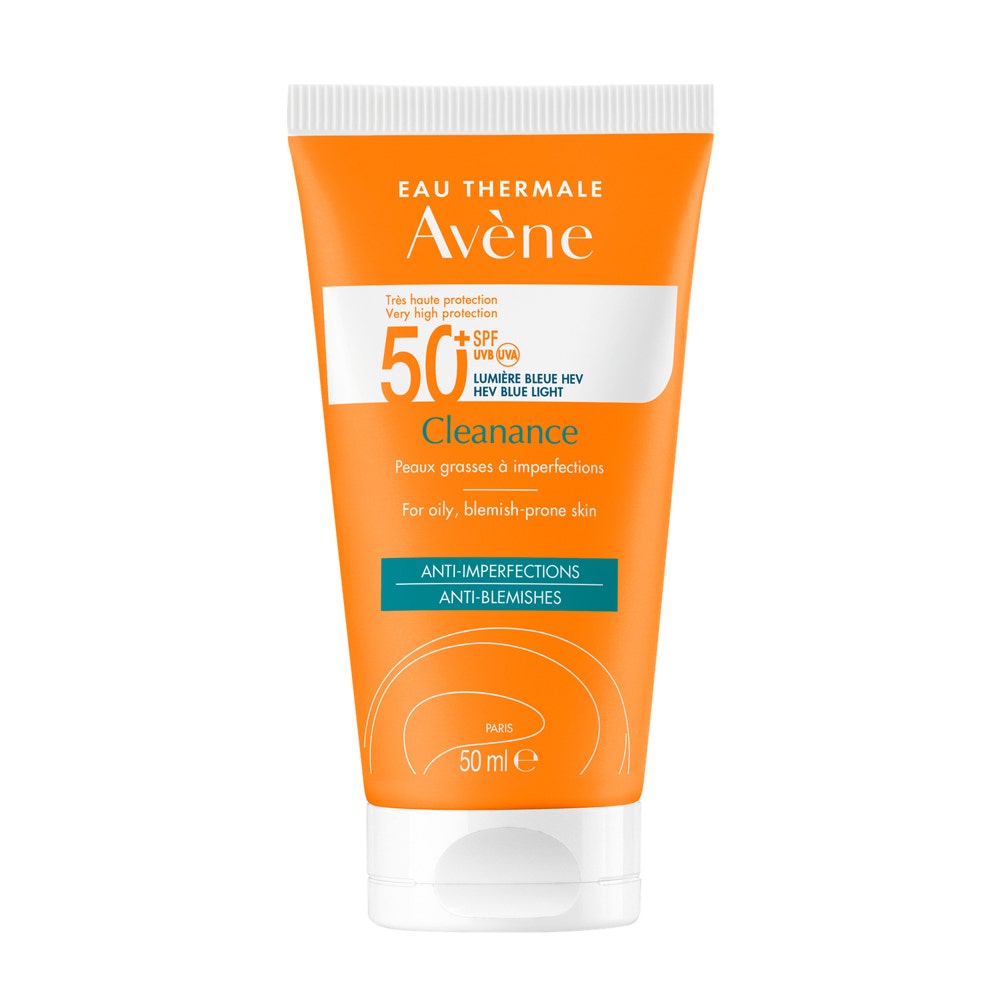
4. Avène Cleanance SPF 50+
Avène Cleanance SPF 50+ is specifically formulated for oily, blemish-prone skin. Its combination of UV filters provides broad-spectrum protection against UVA, UVB, and blue light, helping to minimize sun-induced skin damage. Enriched with Monolaurin, a sebum-regulating ingredient, it helps reduce excess oil production while keeping the skin matte throughout the day. Its non-greasy, dry-touch finish ensures lasting comfort. Hypoallergenic and non-comedogenic, it is perfectly suited to acne-prone skin while respecting its delicate balance.
5. SVR Sun Secure Fluid SPF 50+
SVR Sun Secure Fluid SPF 50+ is a high-tolerance sunscreen developed for sensitive and sun-reactive skin. Its innovative formula combines organic UV filters with an ultra-light fluid texture that absorbs quickly without leaving a greasy finish. Suitable for skin prone to sun allergies, it provides broad-spectrum protection against UVB, UVA, and infrared radiation. Its water- and sweat-resistant formula makes it an excellent companion for sunny days and outdoor activities. Non-comedogenic and dermatologically tested, it offers long-lasting hydration while respecting even the most sensitive skin.
Choosing a non-comedogenic sunscreen is essential for protecting your skin from the harmful effects of the sun without increasing the risk of clogged pores or breakouts. Thanks to formulas specifically developed for combination, oily, and acne-prone skin, it’s now possible to combine effective sun protection with daily skincare.
Remember: applying sunscreen every day is one of the best ways to maintain healthy, protected, and radiant skin for years to come.
- Some formulas are too rich or too occlusive for oily or acne-prone skin.
- They can clog pores, increasing the risk of comedones.
- This can lead to excess sebum buildup and the appearance of blemishes and breakouts.
- Yes, daily sun protection is essential.
- UV rays can worsen acne and make post-inflammatory marks more noticeable.
- A non-comedogenic sunscreen helps protect the skin without clogging pores or weighing it down.
- Fluid, gel, or gel-cream textures are the best choice for oily skin.
- They absorb quickly and leave a lightweight, matte finish.
- They help control excess shine and reduce the greasy feeling throughout the day.
- No. A non-comedogenic sunscreen does not always replace a moisturizer.
- It should generally be applied as the last step of your skincare routine, after your moisturizer and before makeup.
- However, some lightweight moisturizing sunscreens may provide enough hydration for oily skin on their own.
- Yes. UV rays are present all year round, even during the winter months.
- Daily sunscreen application helps prevent premature skin aging caused by UV exposure.
- It’s an essential step for maintaining healthy, protected, and even-looking skin.