Top 5 Best Sunscreens to Protect Your Scars

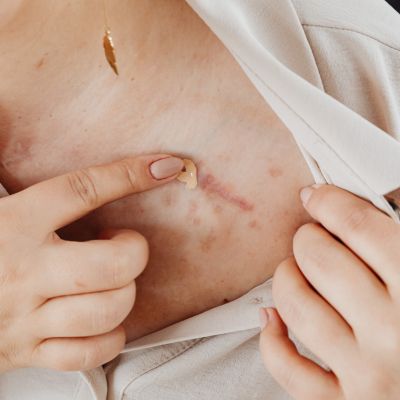
Whether your scar is new or old, sun exposure can worsen its appearance. Persistent redness, hyperpigmentation, and darkening are all common effects of UV exposure on scar tissue. That’s why daily sun protection is essential to support proper healing and help scars fade more evenly over time.
In this guide, our experts explain why sun protection matters for scars, how to choose the right sunscreen, and share their selection of the best sunscreens for protecting scar tissue.
Why Is It Important to Protect Scars from the Sun?
Scar tissue is more fragile than healthy skin and reacts differently to sun exposure. Unlike normal skin, scars have a reduced natural defense against UV radiation, making them more susceptible to hyperpigmentation, discoloration, and sunburn.
Exposure to UV rays can:
- Prolong the inflammatory phase of the healing process.
- Increase scar discoloration, causing persistent brown or red marks.
- Make the skin thinner and more sensitive to environmental damage.
For these reasons, it is recommended to apply a high-protection sunscreen to scars, particularly during the first 6 to 12 months after they form, when the healing process is still ongoing.
Red, Pink, or White Scars: Why Use a Dedicated Sunscreen?
Not all scars respond to sun exposure in the same way:
- Red or pink scars: These are still in the remodeling phase of healing and are particularly sensitive to UV rays. Without adequate protection, they are more likely to develop persistent dark discoloration (hyperpigmentation).
- White scars: Although they are older and fully healed, they remain more fragile than the surrounding skin and may become red or darker after sun exposure.
In all cases, applying a broad-spectrum, high-SPF sunscreen helps prevent unwanted pigmentation and supports a more even, healthy-looking scar as it continues to mature.
When and How Should You Apply Sunscreen to a Scar?
Follow these recommendations to ensure optimal protection for your scar:
- Wait until the wound has completely healed before applying sunscreen. Until then, a UV-protective dressing can be a suitable alternative.
- Choose a high-protection sunscreen (SPF 50+) for maximum defense against UVA and UVB rays.
- Reapply sunscreen every two hours and after swimming, sweating, or towel drying.
- Use a texture suited to the area being treated: a lightweight cream for the face or a protective sunscreen stick for small, localized scars.
- Avoid direct sun exposure between 12 p.m. and 4 p.m., when UV radiation is at its strongest.
Common Mistakes to Avoid When Applying Sunscreen to Scars
- Using a standard sunscreen: Not all sunscreens are suitable for scars. Choose hypoallergenic, fragrance-free, and alcohol-free formulas that are designed for sensitive skin.
- Forgetting to reapply: A single application is not enough to provide effective protection throughout the day. Reapply regularly, especially after swimming or sweating.
- Rubbing the scar too vigorously: Apply sunscreen gently to avoid irritating or damaging the healing scar tissue.
- Going without protection: Even on cloudy days, UV rays penetrate cloud cover and can affect the healing process and increase the risk of scar discoloration.
Sunscreen Cream or Sunscreen Stick: Which Is Best for Protecting Scars?
The best sunscreen format depends on the location and size of the scar:
- Sunscreen stick: Ideal for small, localized scars, such as post-surgical scars, suture marks, or tattoos. It allows for precise application and typically offers excellent water resistance.
- Sunscreen cream: Better suited for larger scarred areas, particularly following burns or major surgery. It provides even coverage while helping to keep the skin moisturized.
In all cases, choose a broad-spectrum SPF 50+ sunscreen. For sensitive or healing skin, formulas containing mineral UV filters are often preferred for optimal protection.
Top 5 Sunscreens for Protecting Scars
| Situation | Recommended Protection | Why |
|---|---|---|
| Small scar (face, hands, lips) | SPF 50+ sunscreen stick | Allows precise application and is easy to reapply throughout the day. |
| Large scarred area | SPF 50+ sunscreen cream or gel-cream | Provides even, uniform coverage over larger areas of skin. |
| Very recent scar (fully closed skin) | Protective clothing + SPF 50+ on exposed areas | Helps minimize the risk of hyperpigmentation and discoloration. |
| Daily sun exposure (urban environment) | Daily SPF 50+ sunscreen | UV rays are present year-round, even on cloudy days. |
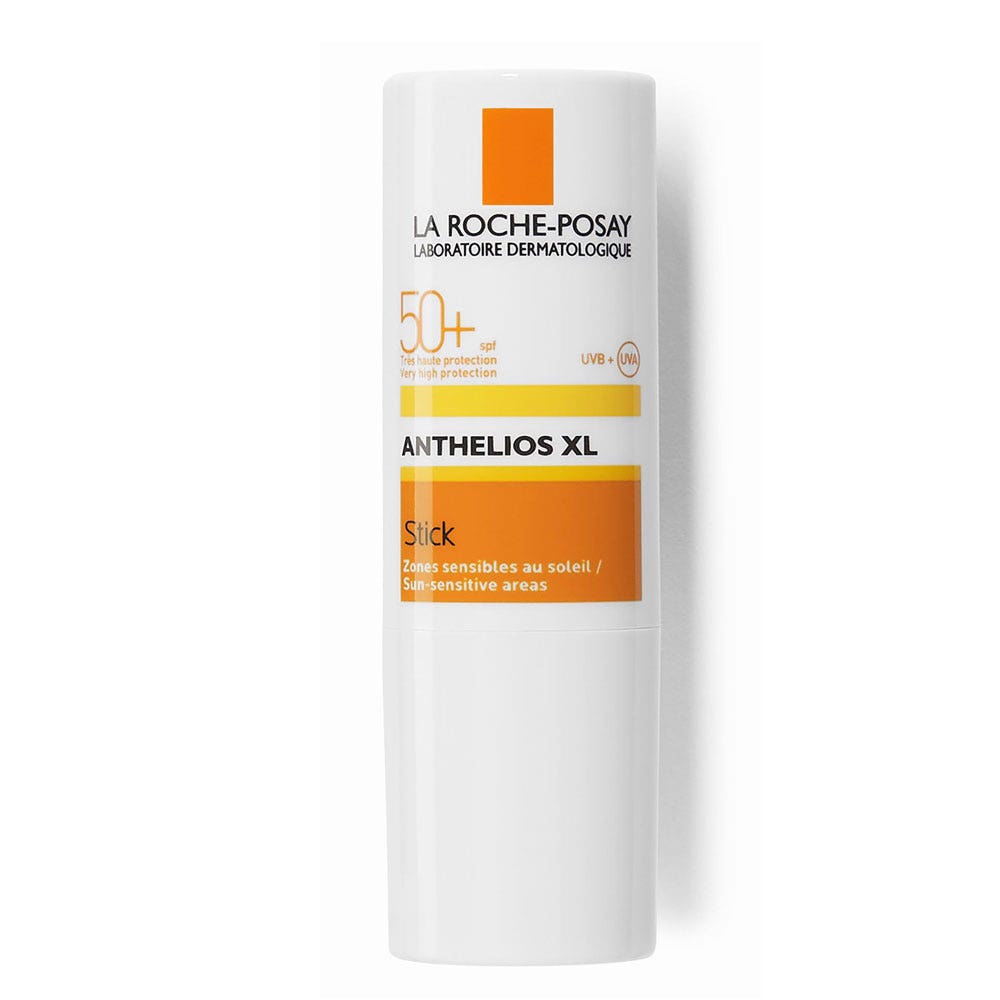
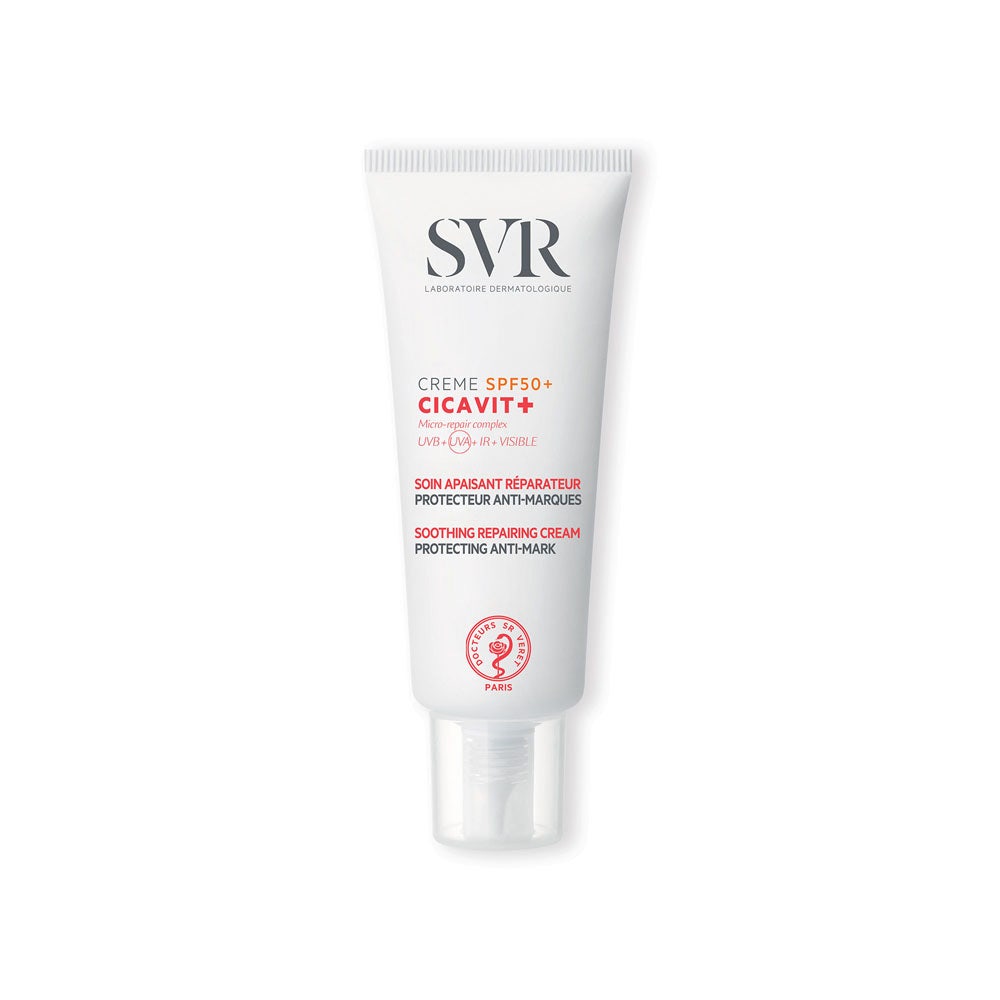
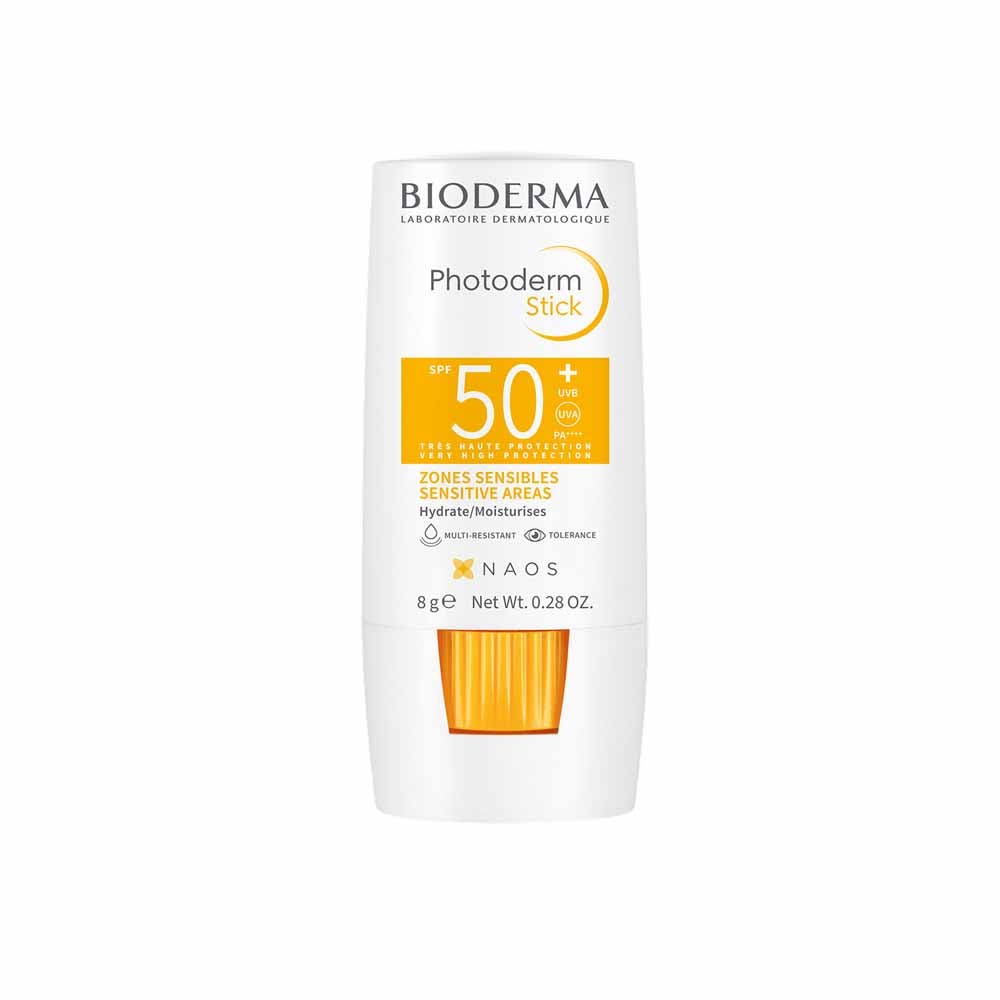
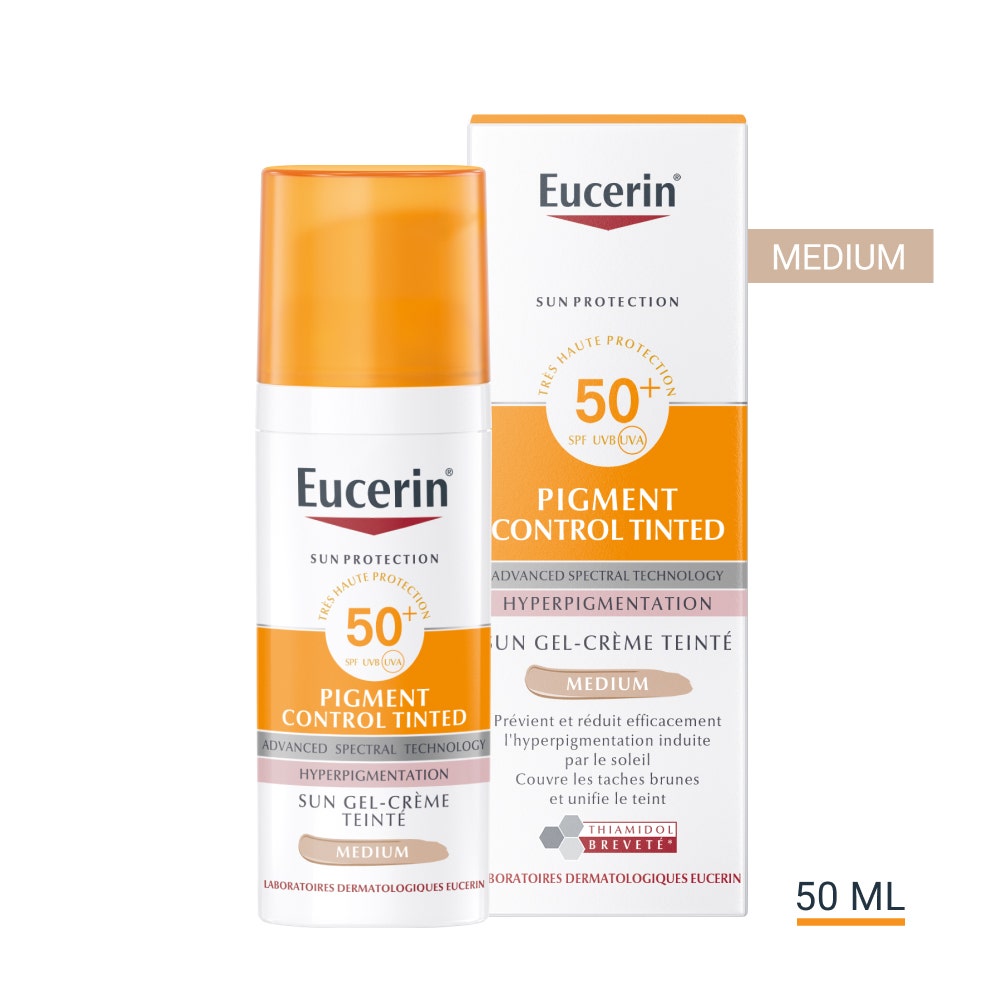
Selection based on key criteria: very high UV protection, formulas suitable for sensitive skin, and long-lasting performance.
1. La Roche-Posay Anthelios SPF 50+ Sunscreen Stick
The La Roche-Posay Anthelios SPF 50+ Sunscreen Stick is an excellent choice for protecting scars exposed to the sun. Enriched with antioxidants and broad-spectrum UVA/UVB filters, it provides very high protection against harmful UV rays while helping to prevent post-inflammatory hyperpigmentation.
Its compact stick format allows for precise application on small scars located on the face, lips, or hands. The invisible, water-resistant texture is comfortable to wear and leaves no greasy finish. Hypoallergenic and fragrance-free, it is suitable for sensitive and fragile skin, including skin recovering from dermatological or cosmetic procedures.
2. SVR Cicavit+ SPF 50+
SVR Cicavit+ SPF 50+ is specifically formulated for damaged, irritated, or healing skin. It provides reinforced sun protection to help prevent dark marks while supporting the skin’s natural repair process.
Its broad-spectrum UV complex protects against UVA, UVB, and blue light, helping reduce the risk of scar-related hyperpigmentation. Enriched with probiotics and skin-repairing ingredients, it helps soothe discomfort while promoting skin recovery. Water-resistant, non-comedogenic, fragrance-free, and hypoallergenic, it is suitable for both the face and body, even on very sensitive skin.
3. Bioderma Photoderm Cicabio SPF 50+
Bioderma Photoderm Cicabio SPF 50+ has been developed to protect skin during the healing process. It combines very high sun protection with a repairing complex containing copper and Centella asiatica, ingredients known for supporting skin regeneration.
Its lightweight, non-greasy texture absorbs quickly without leaving a white cast. Soothing ingredients help reduce redness and irritation, making it suitable for recent scars, superficial skin lesions, and sensitized skin. Regular use helps minimize the appearance of post-scar pigmentation and residual marks.
4. Eucerin Pigment Control Sun Fluid SPF 50+
Eucerin Pigment Control Sun Fluid SPF 50+ is specially designed for skin prone to dark spots and post-inflammatory hyperpigmentation, including darkened scars.
Its patented Thiamidol® technology helps reduce and prevent UV-induced pigmentation while its very high UVA/UVB protection helps limit scar darkening. The lightweight, non-greasy formula is ideal for daily use, including under makeup. Dermatologically tested, it is suitable for sensitive and blemish-prone skin, helping promote a more even and radiant complexion over time.
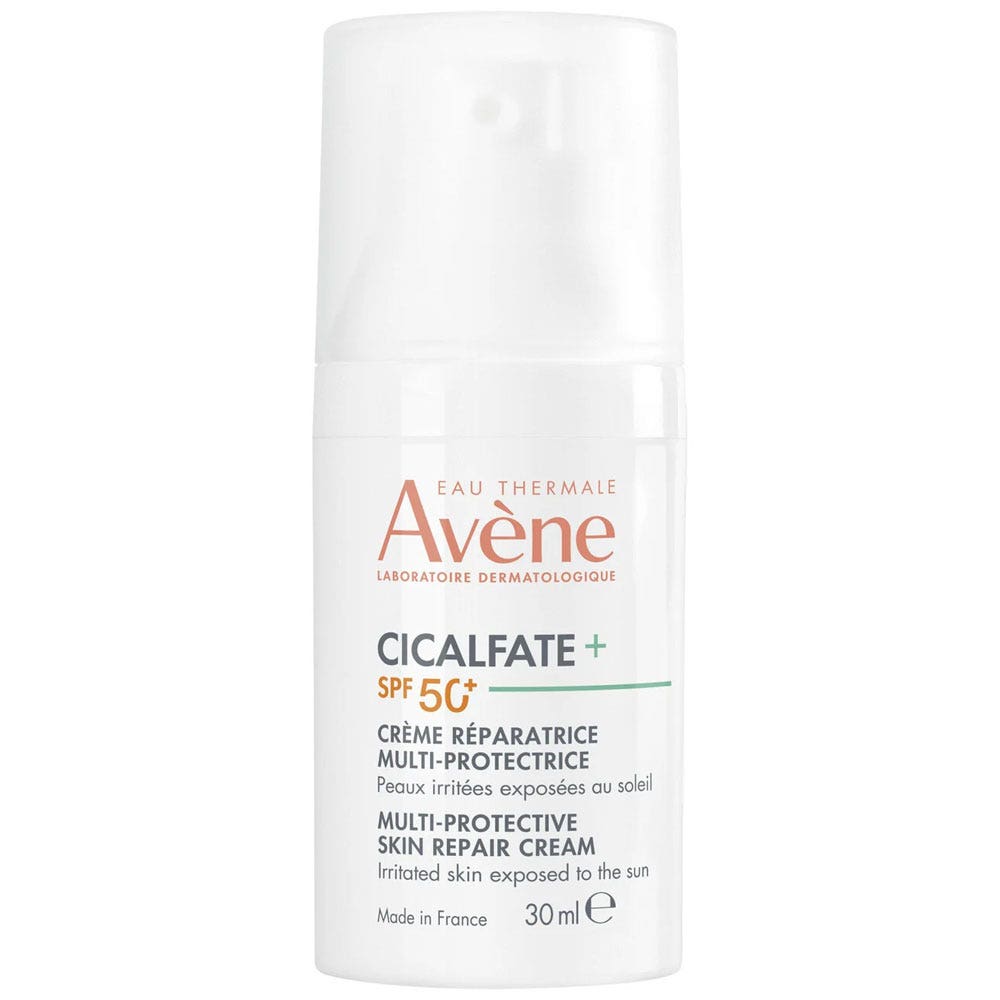
5. Avène Cicalfate+ UV SPF 50+
Avène Cicalfate+ UV SPF 50+ is a repairing and protective cream specifically formulated for fragile skin and healing scars. Its patented combination of sucralfate and copper-zinc sulfate helps support skin repair while limiting bacterial growth on the skin’s surface.
With SPF 50+ broad-spectrum UVA/UVB protection, it helps prevent brown spots and scar hyperpigmentation caused by sun exposure. Its rich, moisturizing texture immediately soothes skin discomfort while providing lasting protection. Fragrance-free and hypoallergenic, it is suitable for sensitive skin recovering from dermatological procedures or minor skin injuries.
The Right Habit to Adopt
Protecting a scar from the sun is one of the best ways to support optimal healing and help prevent long-lasting discoloration. Choose a high-protection sunscreen that is suitable for sensitive skin and apply it regularly to help preserve your skin’s appearance and health.
The information provided in this article is intended for general educational purposes only and is designed to support overall well-being. It should not be considered a substitute for professional medical advice, diagnosis, or treatment. If you have any concerns about a scar or your skin, consult a qualified healthcare professional.
- It is recommended to protect a scar from the sun for 6 to 12 months after it forms.
- During this period, the skin is still undergoing the remodeling phase of the healing process.
- Unprotected sun exposure can lead to long-lasting discoloration and make the scar more noticeable.
- An SPF 50 or SPF 50+ sunscreen is recommended for protecting scars.
- Choose a broad-spectrum sunscreen that protects against both UVA and UVB rays.
- A high SPF helps reduce the risk of scar darkening and post-inflammatory hyperpigmentation.
- A sunscreen stick is ideal for small, localized scars, offering precise and convenient application.
- A sunscreen cream or gel-cream is better suited for larger scarred areas, providing even coverage.
- The best option depends on the size and location of the scar.
- Yes. Even mature white scars remain more sensitive than healthy skin.
- They can become red or darken when exposed to UV rays.
- Using broad-spectrum sunscreen helps minimize pigmentation changes and reduces the contrast between the scar and the surrounding skin.
- Yes, but only with proper sun protection.
- UV rays can penetrate through clouds.
- An unprotected scar can darken even without direct sunlight.