Top 5 Best Pregnancy Tests

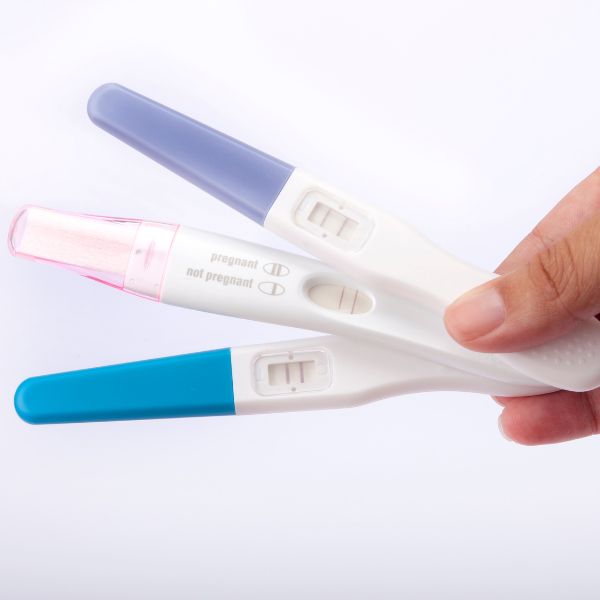
A pregnancy test should provide clear, reliable results when you need them most. Choosing a dependable test from the very first days of uncertainty can help reduce stress caused by inconclusive results and may even save you money by avoiding the need for repeat testing.
To create this ranking, we evaluated dozens of pregnancy tests, reviewed manufacturer performance data, gathered insights from women’s health experts, and consulted Nathalie, a former pharmacy technician. Based on these findings, we selected the five pregnancy tests that we believe offer the best combination of accuracy, ease of use, and reliability.
The best pregnancy test for you will ultimately depend on your individual needs, when you plan to test, and your budget. That’s why our Top 5 Best Pregnancy Tests includes options to suit a variety of situations and preferences.
Pregnancy Tests: Key Takeaways
- A pregnancy test is over 99% accurate when used at the right time.
- The first day of a missed period is generally the best time to take a pregnancy test.
- Early detection tests are available but carry a higher risk of a false-negative result if taken too soon.
- Digital pregnancy tests provide easier-to-read results but are typically more expensive.
- If you’re unsure about the result, a blood test remains the medical gold standard for confirming pregnancy.
When Should You Take a Pregnancy Test?
Around 6 in 10 women are unsure when to take a pregnancy test. A pregnancy test is a simple and effective way to find out whether you’re pregnant, but timing is essential to obtain the most reliable result.
In general, most pregnancy tests are designed to be used from the first day of a missed period. However, waiting about one week after your missed period can increase the accuracy of the result. Testing too early may lead to a false-negative result, meaning the test indicates that you are not pregnant even though you are. This happens because the level of human chorionic gonadotropin (hCG)—the pregnancy hormone—may still be too low to detect.
It is also possible to test a few days before your expected period using early detection pregnancy tests. These tests are designed to detect lower levels of hCG and may provide accurate results up to five days before your expected period. However, they are generally less reliable than tests taken after a missed period. For this reason, if you receive a negative result before your expected period but still suspect you may be pregnant, it is advisable to repeat the test after your missed period.
It’s also important to remember that a negative pregnancy test does not always rule out pregnancy. You may simply have tested too early, or your hCG levels may not yet be high enough to be detected. If your period remains absent or you continue to experience pregnancy symptoms, consult your healthcare provider or gynecologist. A blood test can confirm pregnancy with greater accuracy.
Finally, always read and follow the manufacturer’s instructions carefully, as testing procedures may vary slightly between brands. If you have any questions about how to use a pregnancy test, don’t hesitate to ask your pharmacist or healthcare professional for guidance.
What Are the Different Types of Pregnancy Tests?
Pregnancy tests work by detecting human chorionic gonadotropin (hCG), a hormone produced after implantation. Depending on when you want to test and the level of accuracy you need, several types of pregnancy tests are available, each with its own advantages and limitations.
Home Pregnancy Test
The home pregnancy test is the most commonly used option. Available over the counter in most pharmacies, it detects hCG in urine and is simple to use at home. When used correctly, most home pregnancy tests are more than 99% accurate from the first day of a missed period. For the most reliable results, many healthcare professionals recommend testing about one week after a missed period, as testing too early may lead to a false-negative result.
Early Detection Pregnancy Test
Early detection pregnancy tests are designed to identify lower levels of hCG than standard home tests, allowing pregnancy to be detected up to five days before the expected period, depending on the brand.
These tests are available in several formats, including test strips, midstream tests, and digital pregnancy tests. Digital tests display results such as “Pregnant” or “Not Pregnant”, making them easier to interpret than traditional line-based tests.
Although early detection tests can provide results sooner, they are generally less reliable than tests taken after a missed period because hCG levels may still be too low to detect. If you receive a negative result before your expected period but still suspect you may be pregnant, it is recommended to repeat the test a few days later.
Blood Pregnancy Test
A blood pregnancy test is performed by a healthcare professional and measures hCG levels in a blood sample. Because it is more sensitive than urine tests, it can detect pregnancy earlier and measure very low concentrations of hCG.
Blood tests are considered the medical reference standard for confirming pregnancy, but they require a laboratory analysis, are more expensive than home tests, and results are not immediate.
Ultrasound Examination
An ultrasound scan is not a pregnancy test, as it does not detect hCG. Instead, it is an imaging examination performed by a healthcare professional to confirm an established pregnancy, estimate the due date, assess fetal development, and identify potential complications such as multiple pregnancies or an ectopic pregnancy.
Ultrasound is typically performed after pregnancy has already been confirmed through a urine or blood test and plays an important role in prenatal care.
How Does a Pregnancy Test Work? How Can You Tell If You're Pregnant?
Determining whether you’re pregnant is an important concern for anyone experiencing symptoms or suspecting pregnancy. While early signs can vary from person to person, common symptoms include nausea, vomiting, abdominal cramping, fatigue, breast tenderness, and changes in appetite or food preferences. However, the only reliable way to confirm a pregnancy is with a pregnancy test.
A pregnancy test works by detecting human chorionic gonadotropin (hCG), often called the pregnancy hormone. This hormone is produced after a fertilized egg implants in the uterus and can be detected in urine or blood.
Home pregnancy tests are the most widely used option and are available over the counter in pharmacies. They are designed to be simple to use and provide quick, reliable results. These tests contain antibodies that react to the presence of hCG in urine.
To use a home pregnancy test, collect urine as instructed by the manufacturer or hold the absorbent tip directly in your urine stream, depending on the test design. After waiting the recommended amount of time, the result will appear as lines, symbols, or a digital message, depending on the product.
When used correctly and from the first day of a missed period, most home pregnancy tests are more than 99% accurate. However, several factors can affect their accuracy, including testing too early, using the test incorrectly, taking medications containing hCG, or testing soon after a recent pregnancy loss.
In addition to home tests, healthcare professionals can perform blood pregnancy tests, which detect lower levels of hCG and can confirm pregnancy earlier than urine tests. Because of their higher sensitivity, blood tests are considered the medical reference standard when pregnancy needs to be confirmed or when home test results are uncertain.
Is There a Best Time of Day to Take a Pregnancy Test?
For the most accurate result, it is generally recommended to take a pregnancy test when hCG levels in your urine are at their highest. For many people, this is first thing in the morning, after several hours without urinating, making the first urine of the day the most concentrated.
That said, modern home pregnancy tests are highly sensitive and can often detect very low levels of hCG at any time of day, especially after a missed period. While testing with your first morning urine may provide the most reliable result particularly if you’re testing early most current tests can still perform well later in the day.
To ensure the best possible accuracy, always follow the manufacturer’s instructions, as sensitivity and testing procedures may vary between brands.
It’s also important to remember that hCG levels are low during the earliest stages of pregnancy and increase rapidly over time. If you test too soon after conception, the hormone may not yet be detectable, leading to a false-negative result. For the most reliable outcome, it is generally recommended to wait until at least the first day of your missed period, or about one week after your expected period if you want to maximize accuracy.
The Best Pregnancy Tests Available at Easypara
| Pregnancy Test | Early Detection | Result Display | Claimed Accuracy |
|---|---|---|---|
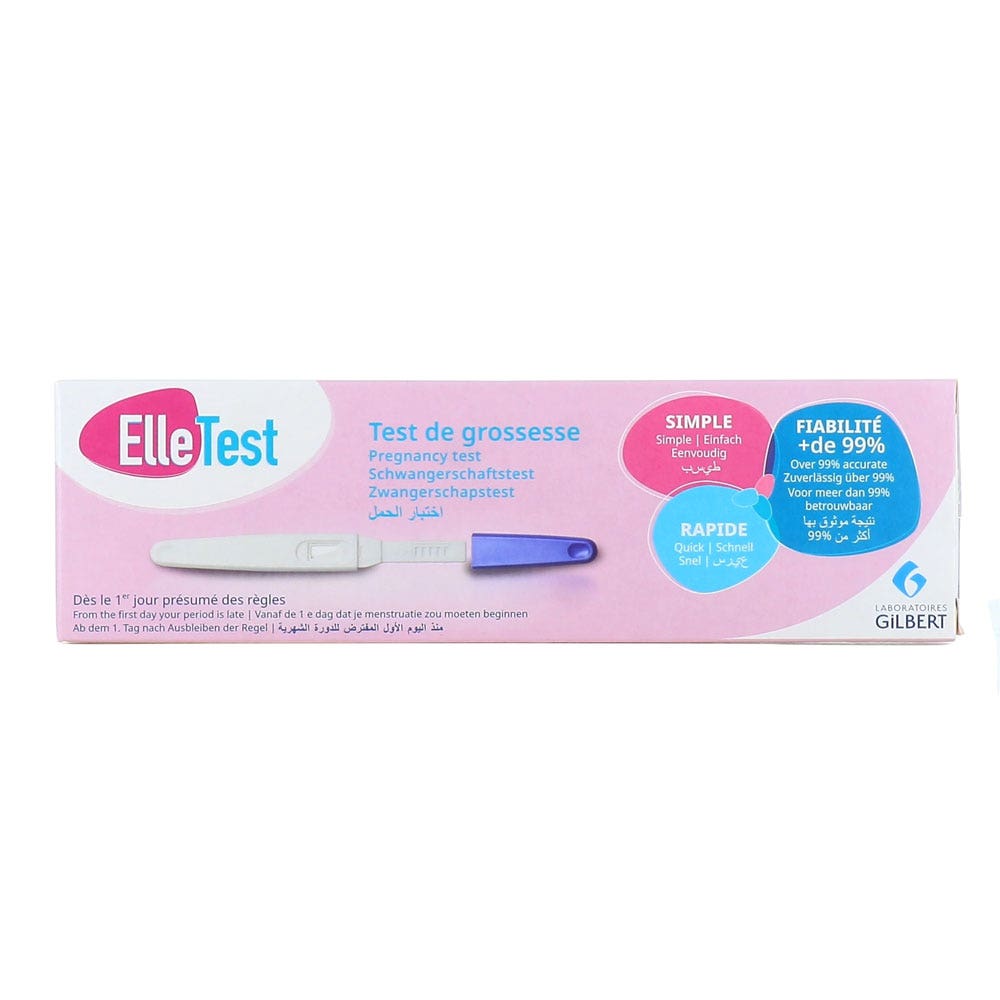
| Elle Test | No | Line test | >99% accurate after a missed period |
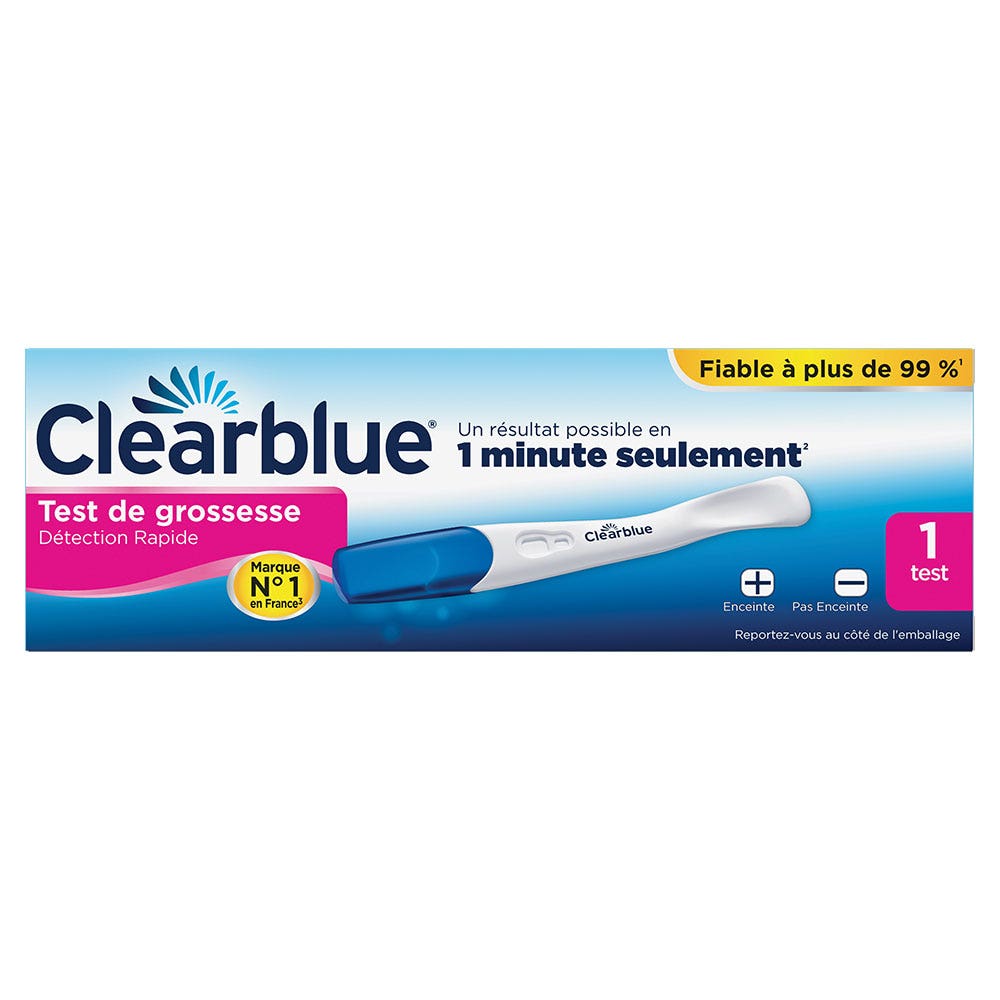
| Clearblue Rapid Detection | No | + / − result | >99% accurate after a missed period |
| Exacto Simply – Biosynex | Yes | Line test | 69% from 8 days after intercourse >99% accurate from the expected day of your period |
| Care + | Yes | Line test | >99% accuracy |
| Clearblue Digital with Weeks Indicator | Yes | Digital display (“Pregnant” / “Not Pregnant”) | >99% accurate; 97% agreement with ultrasound dating |
1. Best Budget Option: Elle Test Pregnancy Test
The Elle Test Pregnancy Test is an affordable, reliable, and easy-to-use home pregnancy test. It detects the presence of human chorionic gonadotropin (hCG) in urine—the hormone produced during pregnancy.
Simply collect a urine sample in a clean, dry container or follow the manufacturer’s instructions, then perform the test to obtain a quick and accurate result.
The Elle Test can detect pregnancy from the first day of a missed period and can be used at any time of the day. Its simplicity, discretion, and ease of use make it an excellent choice for women looking for a cost-effective home pregnancy test.
2. Best-Known Brand: Clearblue Rapid Detection
The Clearblue Rapid Detection Pregnancy Test combines ease of use with the trusted accuracy of the Clearblue brand. Its ergonomic design features a longer curved handle and a 50% wider absorbent tip, making urine sampling easier and more hygienic. A color-changing tip turns from white to pink to confirm that enough urine has been collected.
The results are displayed as an easy-to-read “+” or “–” within 3 minutes. If you test from the first day of your missed period, a positive result may appear in as little as 1 minute. If you test before your missed period or receive a negative result, you should wait the full 3 minutes before interpreting the test.
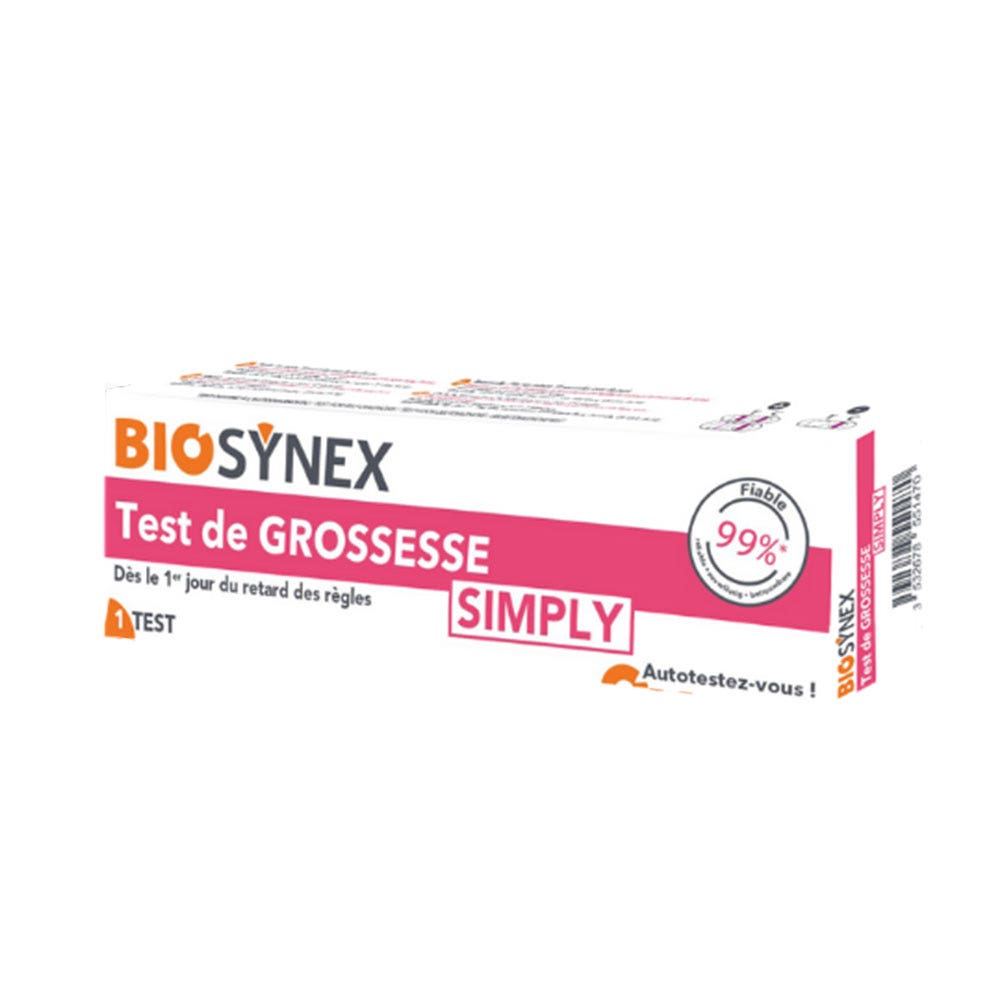
3. Easiest to Use: Biosynex Exacto Simply
The Biosynex Exacto Simply Early Pregnancy Test stands out because it is designed to be used based on the date of intercourse rather than the expected date of your period.
It can be taken as early as 8 days after unprotected intercourse, detecting the presence of hCG in urine. Since hCG levels increase throughout early pregnancy, the test becomes progressively more accurate over time.
While its accuracy is 69% from 8 days after intercourse, it exceeds 99% accuracy from the expected day of your period, making it a convenient option for those who wish to test early.
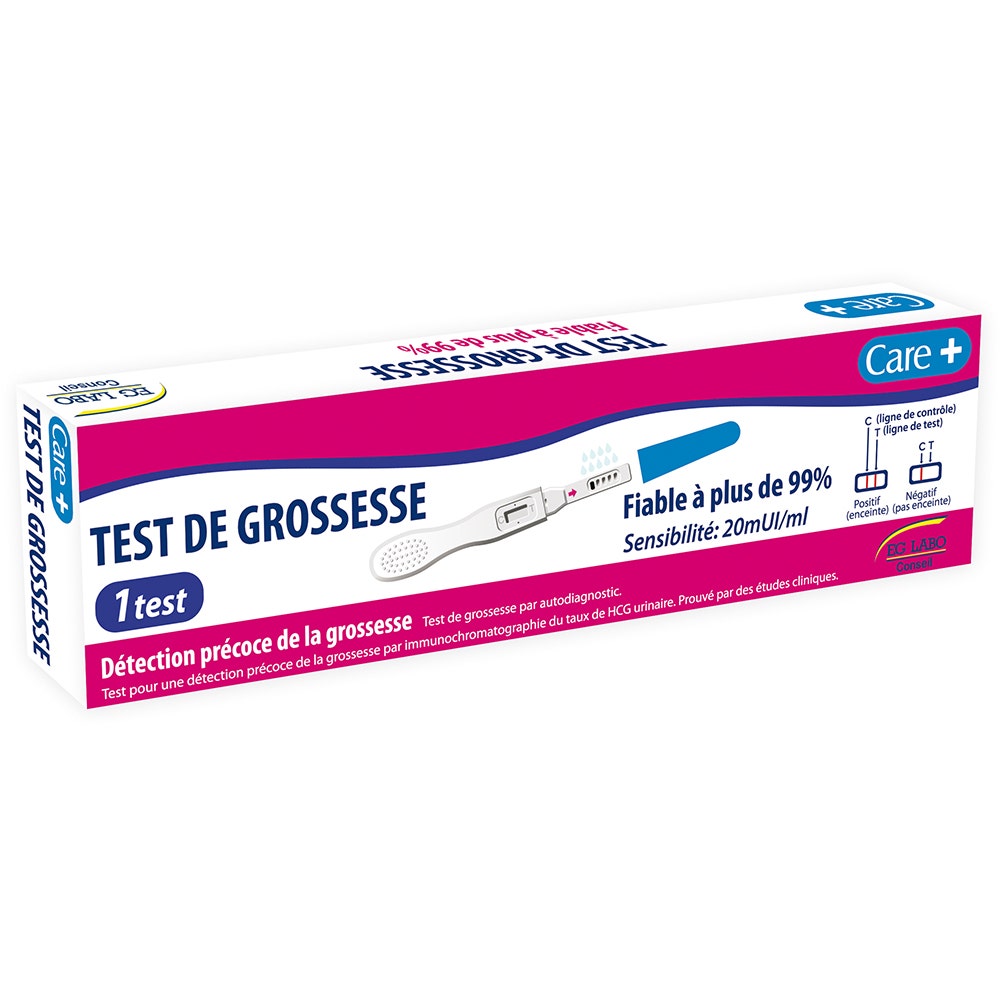
4. Best for Early Testing: Care +
The Care+ Pregnancy Test offers a simple and reliable way to detect pregnancy at an early stage. Thanks to its 20 mIU/mL sensitivity, it can detect very low levels of hCG, allowing testing before your expected period.
With over 99% claimed accuracy, the test provides clear results: one line indicates “not pregnant,” while two lines indicate “pregnant.” Its straightforward design makes the results easy to read and interpret.
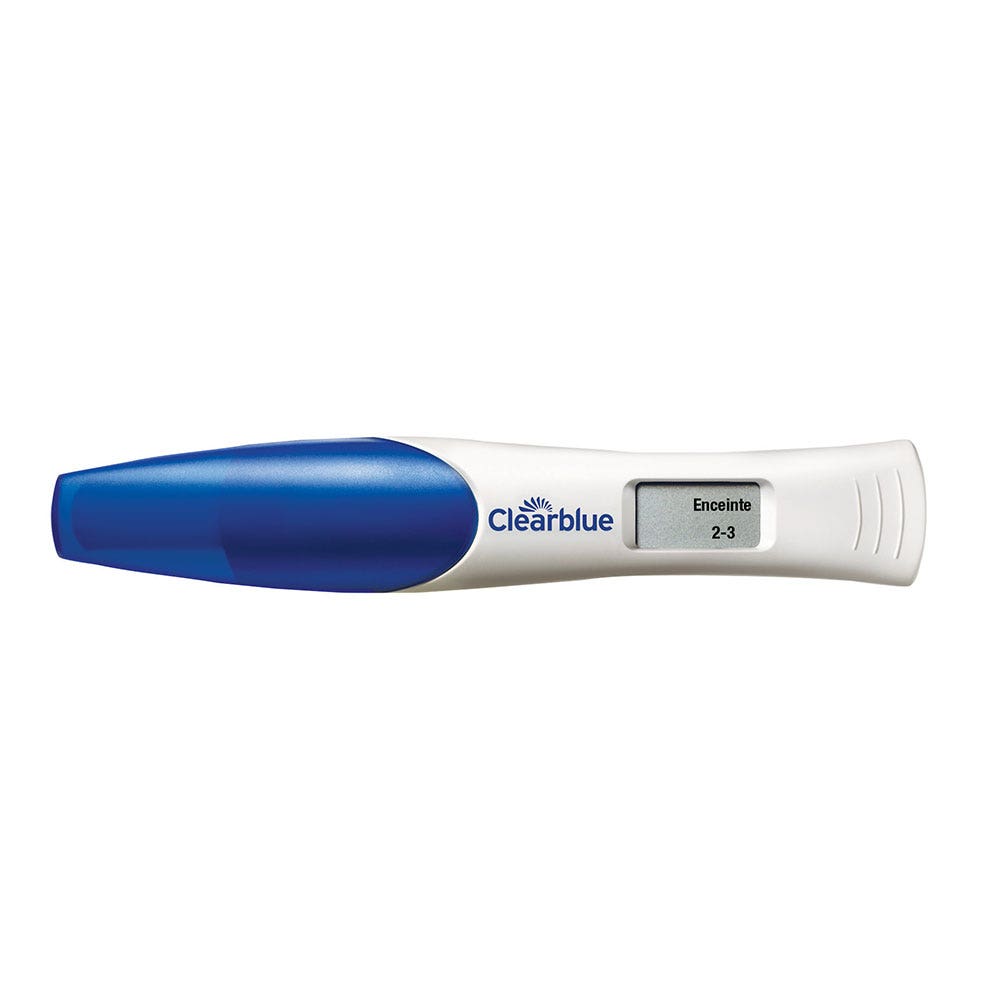
5. Best for Estimating Pregnancy Weeks: Clearblue Digital with Weeks Indicator
The Clearblue Digital Pregnancy Test with Weeks Indicator is unique because it not only tells you whether you’re pregnant but also provides an estimate of how many weeks have passed since conception. Using its dual smart sensor technology, it displays one of three results: 1–2, 2–3, or 3+ weeks.
This test can be used up to 5 days before your missed period (4 days before your expected period). According to laboratory data, it detects 98% of pregnancies one day before the expected period, 97% two days before, 90% three days before, and 65% four days before.
In addition to its high accuracy for pregnancy detection, the Weeks Indicator has been shown to have 97% agreement with ultrasound dating, making it a valuable choice for women who want more information as soon as they receive a positive result.
- First thing in the morning, using your first urine of the day, is the best time to take a pregnancy test.
- hCG levels are typically more concentrated after several hours without urinating, making early morning testing more reliable.
- Modern pregnancy tests are highly sensitive and can generally be used at any time of the day, especially after a missed period.
- False-positive pregnancy test results are very rare.
- They may occur after a recent miscarriage or pregnancy loss, as hCG levels can remain elevated for some time.
- Certain fertility treatments containing hCG may also affect the test result.
- A positive pregnancy test should be confirmed with a blood test performed by a healthcare professional.
- Yes, home urine pregnancy tests are available without a prescription.
- They can be purchased from pharmacies, para-pharmacies, and online retailers.