
Top 5 Vitamins to Take During Menopause


As you age, your body undergoes changes, and this is especially true during menopause. Beyond the physical and emotional changes you may experience, cellular aging also affects the amount of vitamins your body needs.
Fortunately, there are menopause-specific vitamins designed to help women increase their intake of essential nutrients, support healthy aging, and continue feeling their best. Our team helps you find the best vitamins for menopausal women.
Vitamins to Take During Menopause: Key Takeaways
- Menopause generally occurs between the ages of 45 and 55
- The drop in estrogen increases the risk of vitamin and mineral deficiencies
- The most common deficiencies involve vitamin D, calcium, iron, and B vitamins
- Certain vitamins help reduce hot flashes, fatigue, and sleep disturbances
- Supplementation should be tailored, targeted, and approved by a healthcare professional
Are there risks of deficiencies during menopause?
Menopause is a natural stage in a woman’s life when menstrual cycles stop and pregnancy is no longer possible. It typically occurs between the ages of 45 and 55, although this can vary from one woman to another. Some may experience it before their forties, while others after the age of 60. Menopause is caused by a decline in female hormones such as estrogen, due to reduced egg production by the ovaries. Symptoms may include hot flashes, night sweats, irritability, and mood swings. Menopausal women may also be at increased risk of certain health conditions, such as osteoporosis and heart disease.
So yes, during menopause, women may experience deficiencies in certain vitamins and minerals due to hormonal changes in the body. Deficiencies in calcium, iron, and vitamin D3 are particularly common among menopausal women. It is important to maintain a balanced diet and consult a healthcare professional to assess nutritional needs and determine whether dietary supplements may be necessary.
Why take vitamins during menopause?
If you are going through the challenging phase of menopause, your levels of female hormones such as estrogen decrease, often leading to deficiencies in certain micronutrients like vitamins and minerals. In addition, nutritional needs may change during menopause, making it harder to meet them through daily meals alone. Vitamin-based dietary supplements can help fill nutritional gaps and support overall health during menopause. However, it is recommended to consult your doctor before taking supplements to assess your individual needs and avoid potential drug interactions or unwanted side effects.
During menopause, declining estrogen levels can lead to hot flashes, hormonal fatigue, and sleep disturbances. Certain vitamins may help alleviate these symptoms:
- Vitamin E: A fat-soluble vitamin that plays a key role in protecting cells from oxidative damage. It acts as an antioxidant by preventing free radicals from damaging cells. Vitamin E is found in foods such as sunflower seeds, nuts, vegetable oils, wheat germ, and spinach. It is recommended for helping reduce hot flashes.
- Vitamin B6: Vitamin B6, also known as pyridoxine, is a water-soluble vitamin involved in many important metabolic processes, including hormone production and neurotransmitter synthesis. It is found in foods such as chicken, fish, bananas, potatoes, and legumes. Vitamin B6 may help regulate hormone levels and improve sleep quality by promoting the production of melatonin, the sleep hormone.
- Vitamin B12: Vitamin B12 is a water-soluble vitamin essential for various bodily functions, including red blood cell formation, DNA production, and nervous system health. It is mainly found in animal-based foods such as meat, dairy products, and eggs. Vitamin B12 helps prevent fatigue and sleep disorders, while supporting mental health and memory. It may also help reduce menopause symptoms by boosting energy levels and improving sleep quality.
- Minerals such as calcium and magnesium can also help regulate hot flashes and improve sleep quality.
Before starting supplementation, it is important to consult a healthcare professional to assess your individual nutritional needs and avoid potential interactions or side effects. Remember that a balanced diet, regular exercise, and good sleep hygiene can also help reduce menopause symptoms.
The Best Vitamins to Take During Menopause
| Product | Target Symptom | Key Ingredients | Format |
|---|---|---|---|
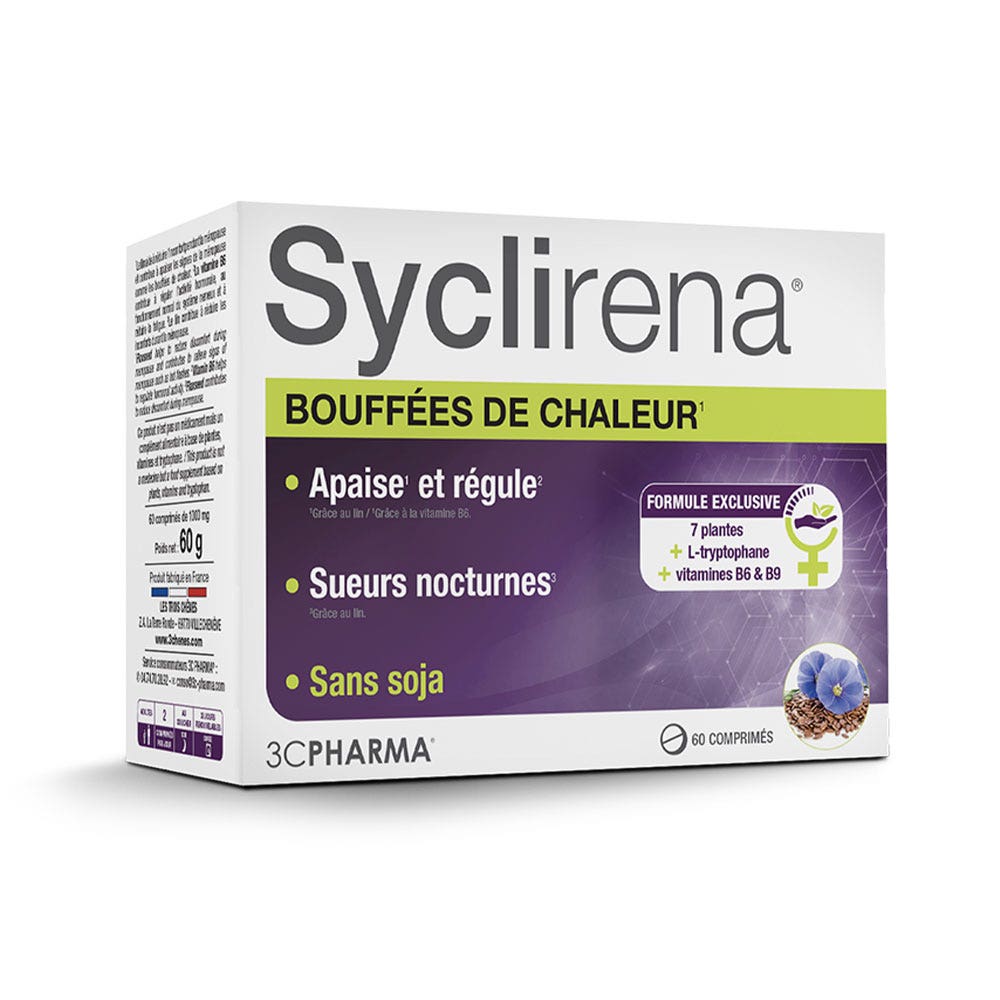
| Syclirena (3C Pharma) | Hot flashes | Flaxseed, hops, vitamin B6 | Tablets |
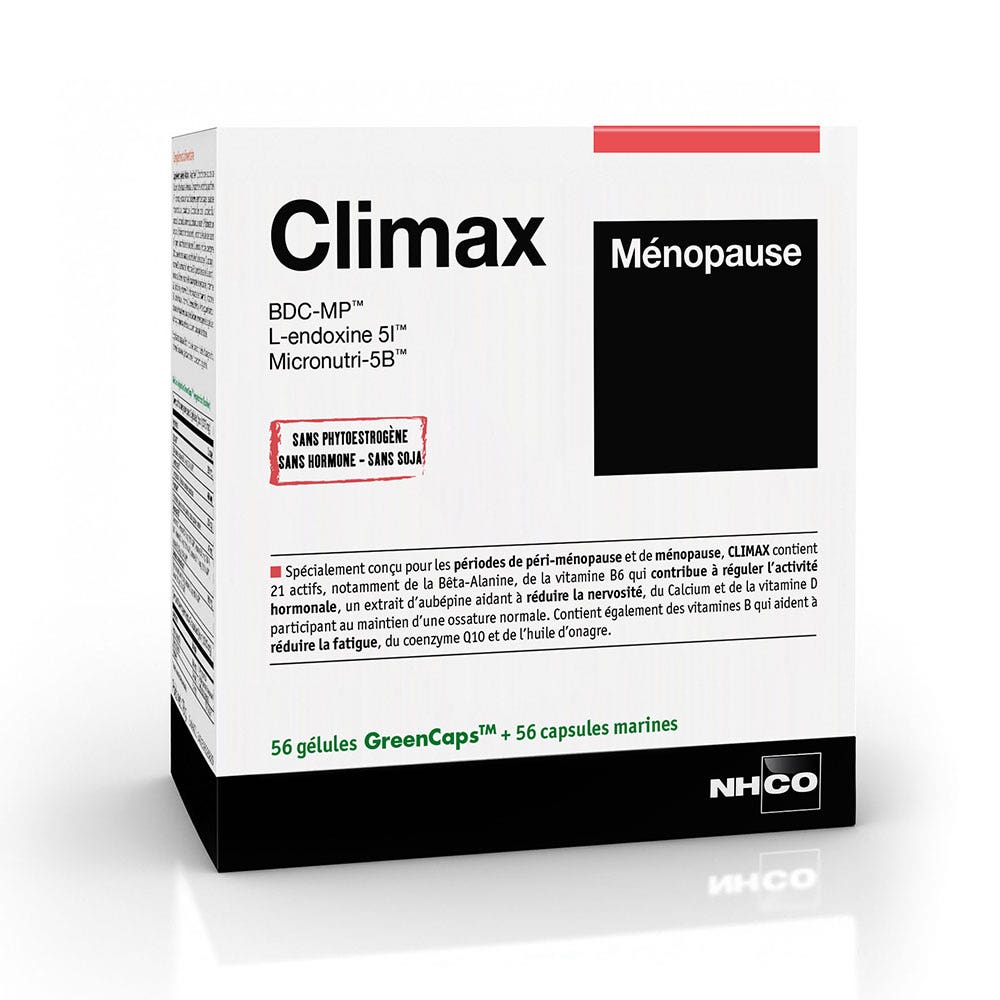
| Climax Menopause (NHCO Nutrition) | Hormonal balance | Vitamin B6, calcium, vitamin D, hawthorn, evening primrose oil | Capsules |
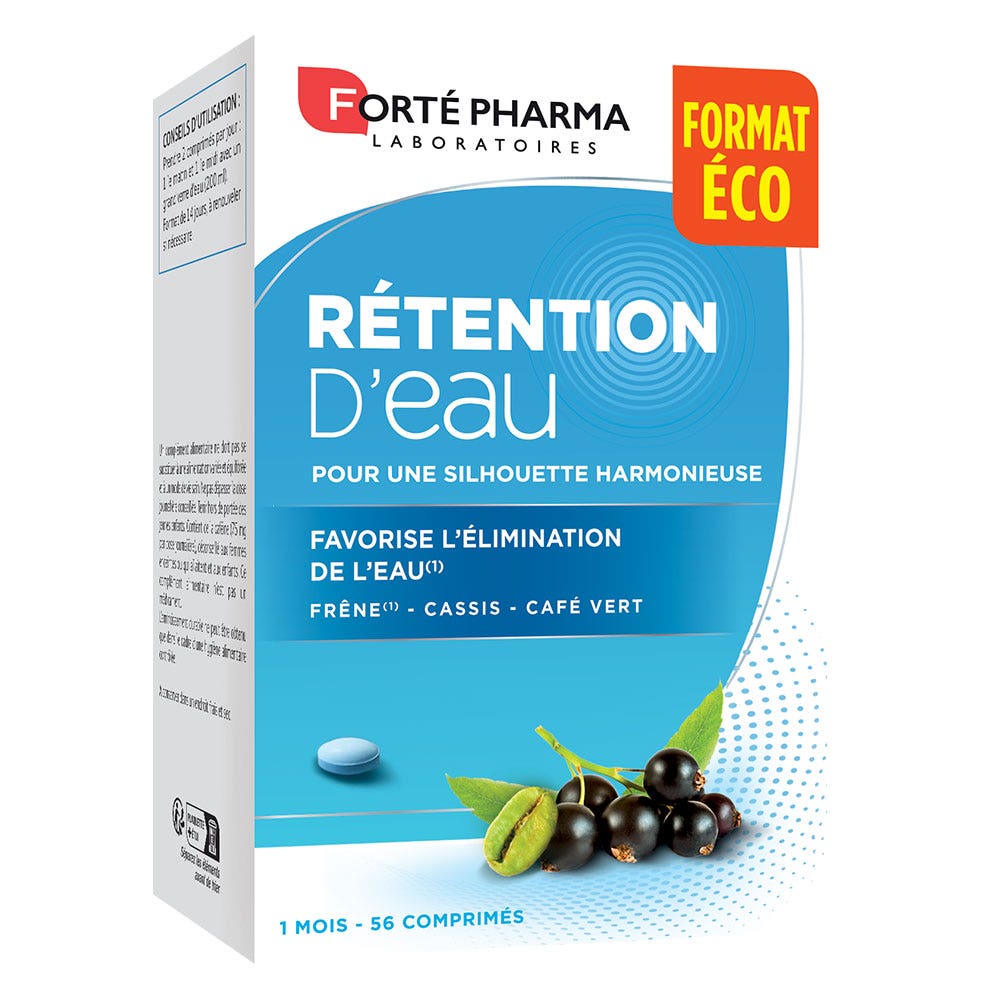
| Water Retention (Forté Pharma) | Water retention | Ash, blackcurrant, green coffee, vitamin B6 | Tablets |
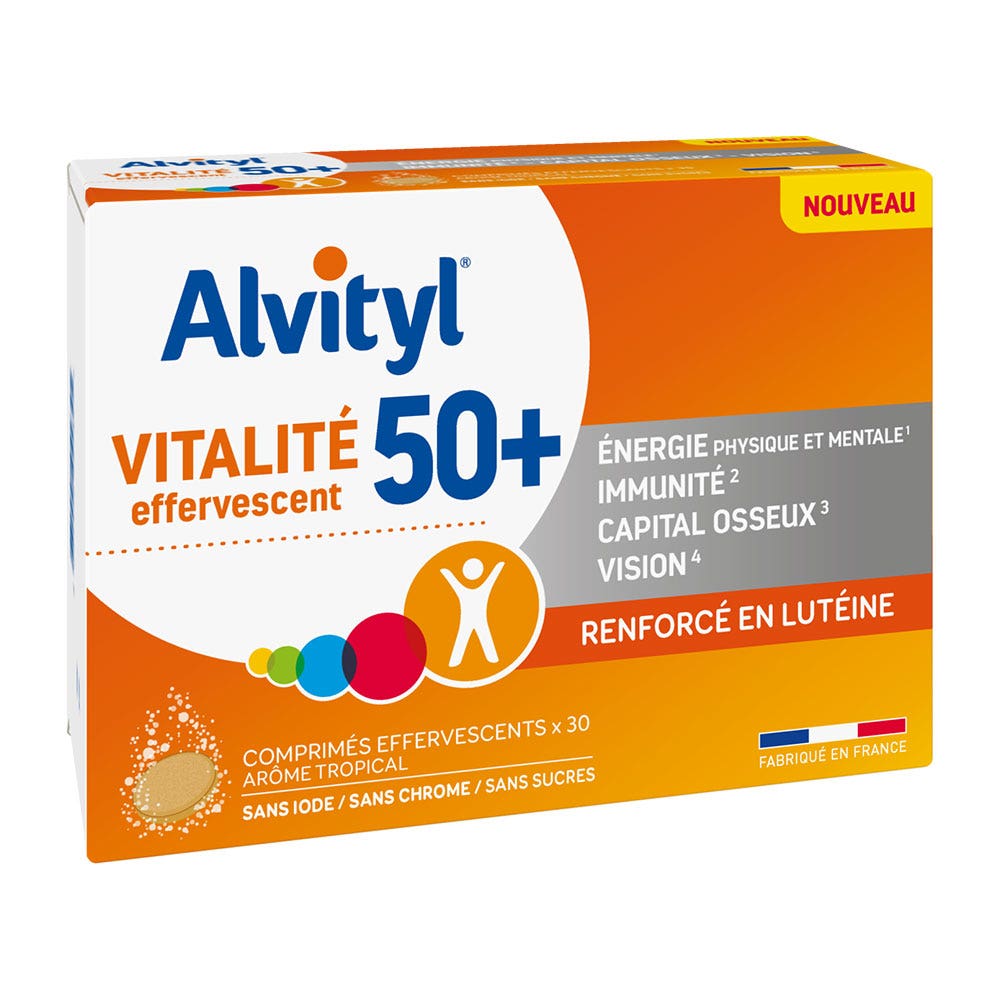
| Vitality 50+ (Alvityl) | Fatigue / immunity | 12 vitamins, 8 minerals, ginseng, blueberry, lutein | Effervescent tablets |
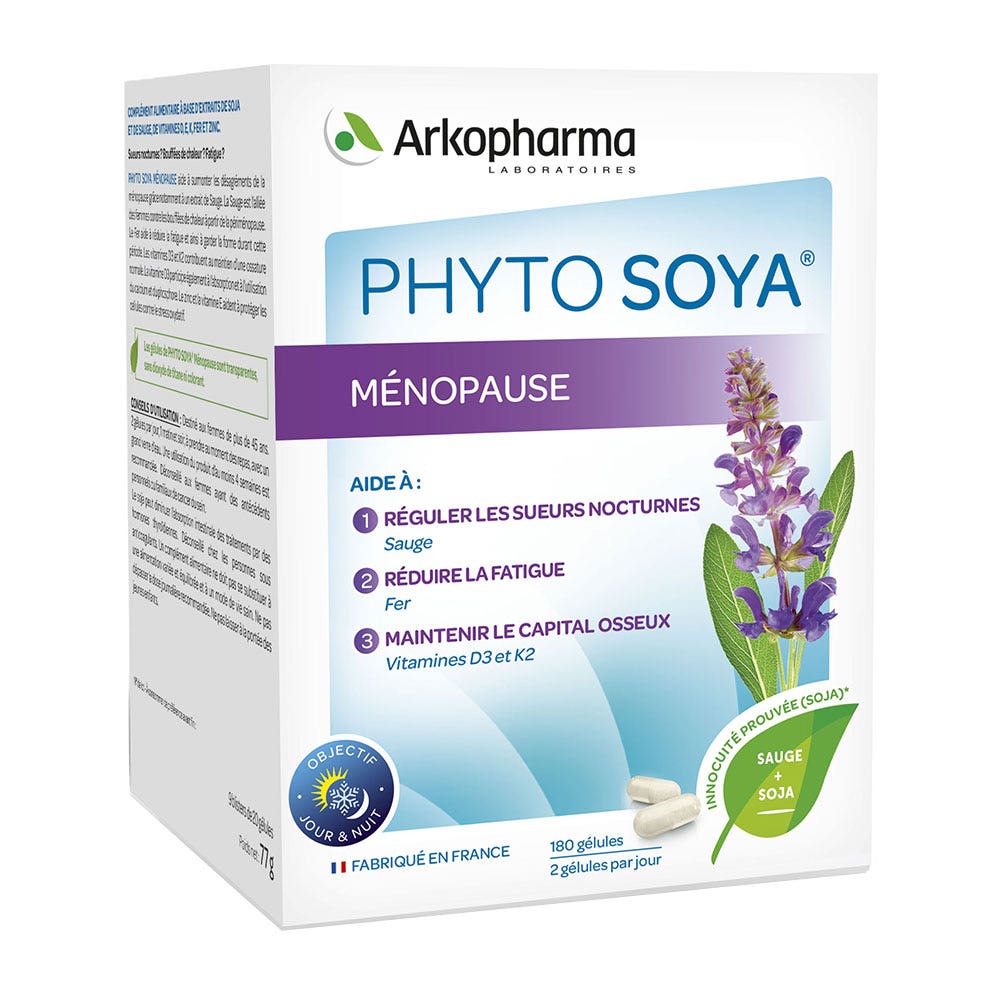
| Phyto Soya Menopause (Arkopharma) | Oxidative stress / overall comfort | Soy, sage, vitamins D3 & K2, zinc, iron, vitamin E | Capsules |
The Easypara team is here to help you choose the right vitamins and minerals tailored to your needs. Looking for the ideal dietary supplement to ease menopause? Discover the most effective capsules and tablets on the market to care for your skin and joints, and help reduce symptoms such as hot flashes and nighttime awakenings.
1. For hot flashes: Syclirena – 3C Pharma
The Syclirena formula is carefully designed to provide comprehensive support for menopause symptoms. It combines powerful natural ingredients selected across two complementary approaches to relieve hot flashes and hormonal imbalances.
Flaxseed helps reduce discomfort, vitamin B6 helps regulate hormonal activity and reduce fatigue, while hops help women cope with symptoms such as hot flashes, sweating, restlessness, and irritability. This supplement is available in a box of 60 tablets.
2. Regulate hormonal activity: Climax Menopause – NHCO Nutrition
Climax is a dietary supplement specifically designed for perimenopause and menopause. It contains 21 active ingredients, including beta-alanine, vitamin B6 to regulate hormonal activity, hawthorn extract to reduce nervousness, calcium and vitamin D to support normal bone health, as well as B vitamins to reduce fatigue, coenzyme Q10, and evening primrose oil.
NHCO Nutrition® Laboratories developed Climax with Morning and Evening formulas, free from phytoestrogens. The Bêtamine Dietary Complex-MP™ includes beta-alanine and vitamin B6, while the L-endoxine 5I™ complex contains hawthorn extract to help reduce nervousness and sleep disturbances during menopause.
3. For water retention: Forté Pharma with blackcurrant and green coffee
Water retention, which occurs when the body retains more water than it eliminates, can cause bloating in the legs and abdomen. Some women may be more prone to water retention due to hormonal fluctuations.
Forté Pharma Laboratories developed a supplement called “Water Retention” to help eliminate excess fluid. Its formula includes ash extract to support the body’s elimination functions, along with blackcurrant and green coffee. Manganese, selenium, and vitamin B2 help protect cells against oxidative stress, while vitamin B6 supports hormonal regulation. With “Water Retention,” you can maintain a lighter, more balanced silhouette.
4. Strengthen the immune system: Vitality 50+ – Alvityl
The dietary supplement Alvityl Vitality 50+ is designed to meet the nutritional needs of individuals over 50, including menopausal women. It contains a balanced formula of 12 vitamins and 8 minerals, along with ingredients such as ginseng, lutein, and blueberry to boost vitality.
The effervescent tablet dissolves easily for better nutrient absorption. Alvityl Vitality 50+ helps reduce fatigue, supports normal energy metabolism, strengthens the immune system, maintains healthy bones, preserves normal vision, and enhances cognitive performance. It is sugar-free, iodine-free, chromium-free, preservative-free, and free from artificial colorings, as well as lactose- and gluten-free.
5. Combat oxidative stress: Menopause Phyto Soya – Arkopharma
Arkopharma offers Phyto Soya® Menopause to help manage menopause-related symptoms such as night sweats, fatigue, and bone loss. The formula includes sage to help with hot flashes, iron to reduce fatigue, vitamins D3 and K2 to support bone health, zinc and vitamin E to protect cells from oxidative stress.
It also contains soy extract, which has been clinically proven to be safe for breast and endometrial health.
Are there risks of deficiencies during menopause?
Menopause is a natural stage in a woman’s life when menstrual cycles stop and pregnancy is no longer possible. It typically occurs between the ages of 45 and 55, although this can vary from one woman to another. Some may experience it before their forties, while others after the age of 60. Menopause is caused by a decline in female hormones such as estrogen, due to reduced egg production by the ovaries. Symptoms may include hot flashes, night sweats, irritability, and mood swings. Menopausal women may also be at increased risk of certain health conditions, such as osteoporosis and heart disease.
So yes, during menopause, women may experience deficiencies in certain vitamins and minerals due to hormonal changes in the body. Deficiencies in calcium, iron, and vitamin D3 are particularly common among menopausal women. It is important to maintain a balanced diet and consult a healthcare professional to assess nutritional needs.
Why take vitamins during menopause?
If you are going through the challenging period of menopause, your levels of female hormones such as estrogen decrease, which often leads to deficiencies in certain micronutrients like vitamins and minerals. In addition, nutritional needs may change during menopause, making it more difficult to meet them through daily meals alone.
Vitamin-based dietary supplements can help fill nutritional gaps and support overall health during menopause. However, it is recommended to consult your doctor before taking supplements to assess your individual needs and avoid potential drug interactions or unwanted side effects.
During menopause, declining estrogen levels can lead to hot flashes, hormonal fatigue, and sleep disturbances. Certain vitamins may help alleviate these symptoms:
- Vitamin E: A fat-soluble vitamin that plays a key role in protecting cells from oxidative damage. It also acts as an antioxidant by preventing free radicals from damaging cells. Vitamin E is found in foods such as sunflower seeds, nuts, vegetable oils, wheat germ, and spinach. It is recommended as it may help reduce hot flashes.
- Vitamin B6: Vitamin B6, also known as pyridoxine, is a water-soluble vitamin involved in several important metabolic processes, including hormone production and neurotransmitter synthesis. It is found in foods such as chicken, fish, bananas, potatoes, and legumes. Vitamin B6 may help regulate hormone levels and improve sleep quality by promoting the production of melatonin, the sleep hormone.
- Vitamin B12: Vitamin B12 is a water-soluble vitamin essential for many bodily functions, including red blood cell formation, DNA production, and nervous system health. It is mainly found in animal-based foods such as meat, dairy products, and eggs. Vitamin B12 helps prevent fatigue and sleep disturbances while supporting mental health and memory. It may also help reduce menopause symptoms by boosting energy levels and improving sleep quality.
- Minerals such as calcium and magnesium can also help regulate hot flashes and improve sleep quality.
Before starting supplementation, it is important to consult a healthcare professional to assess your individual nutritional needs and avoid potential interactions or side effects. Remember that a balanced diet, regular exercise, and good sleep hygiene can also help reduce menopause symptoms.