
Top 5 Best Breastfeeding Teas


Planning to breastfeed your newborn but worried about possible milk supply issues? Discover our selection of the best breastfeeding teas to support healthy lactation and help relieve some of the common discomforts experienced during this unique period of both joy and uncertainty. From their benefits to how to use them, here’s everything you need to know about these natural herbal infusions.
Best Breastfeeding Teas: Key Takeaways
- Breastfeeding teas contain herbs traditionally known for their galactagogue properties.
- They may help support milk production but should not replace good breastfeeding practices.
- Fenugreek, fennel, anise, and caraway are among the most commonly used herbs.
- They also help promote hydration and support overall maternal well-being.
- Always seek advice from a healthcare professional before using breastfeeding teas.
The Best Breastfeeding Teas
| Product | Main Herbs | Organic | Flavor | Key Benefits |
|---|---|---|---|---|
| Weleda Red Fruits | Fenugreek, lemon balm, caraway | Yes | Red berries | Supports lactation + promotes relaxation |
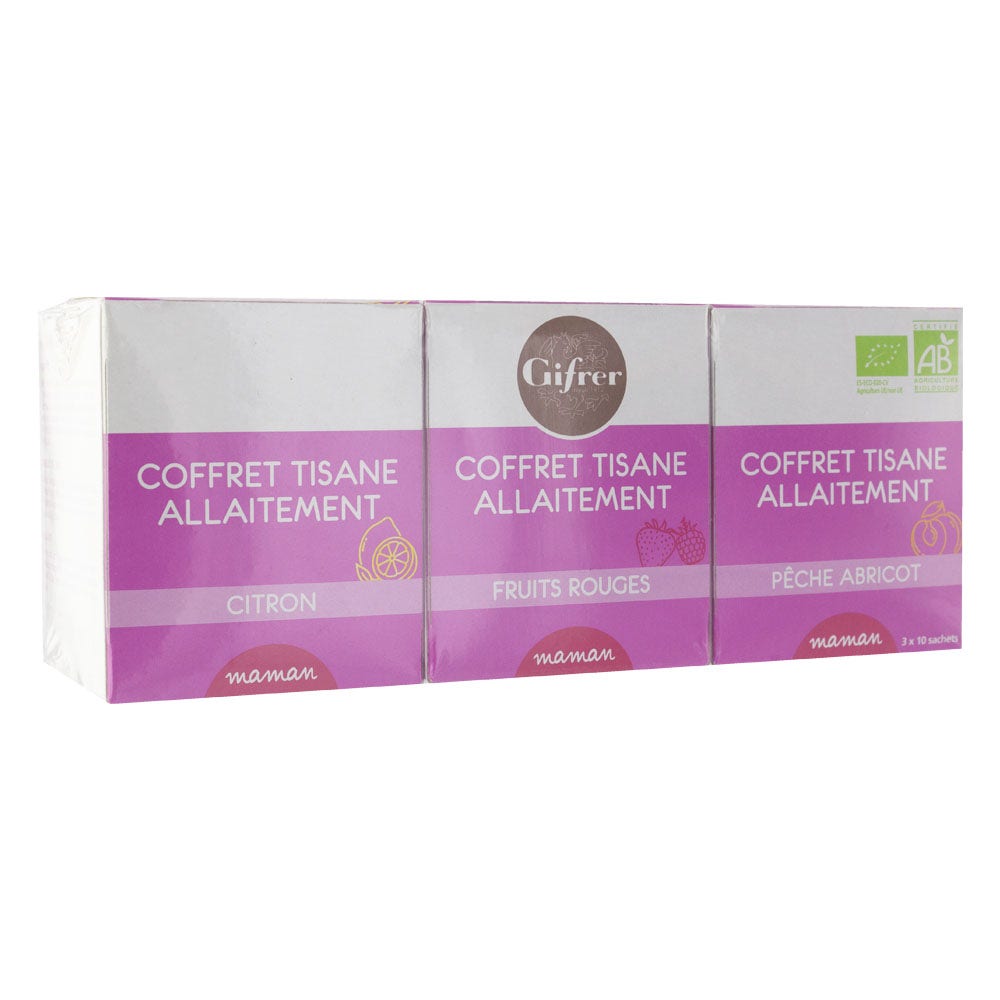
| Gifrer Gift Set | Anise, fennel, caraway | Not specified | Lemon, red berries, peach | Supports milk production |
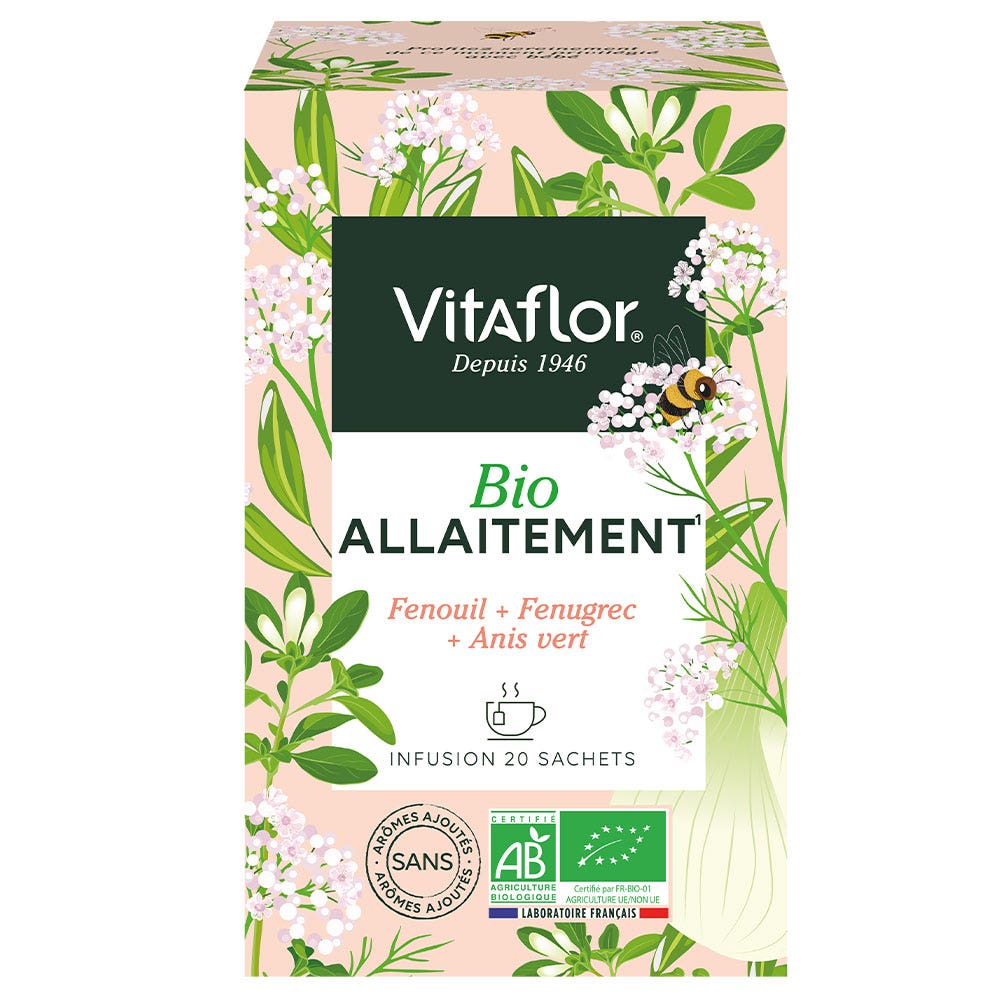
| Vitaflor Floralis | Fenugreek, anise, fennel, caraway | Yes | Herbal | Supports lactation + digestion |
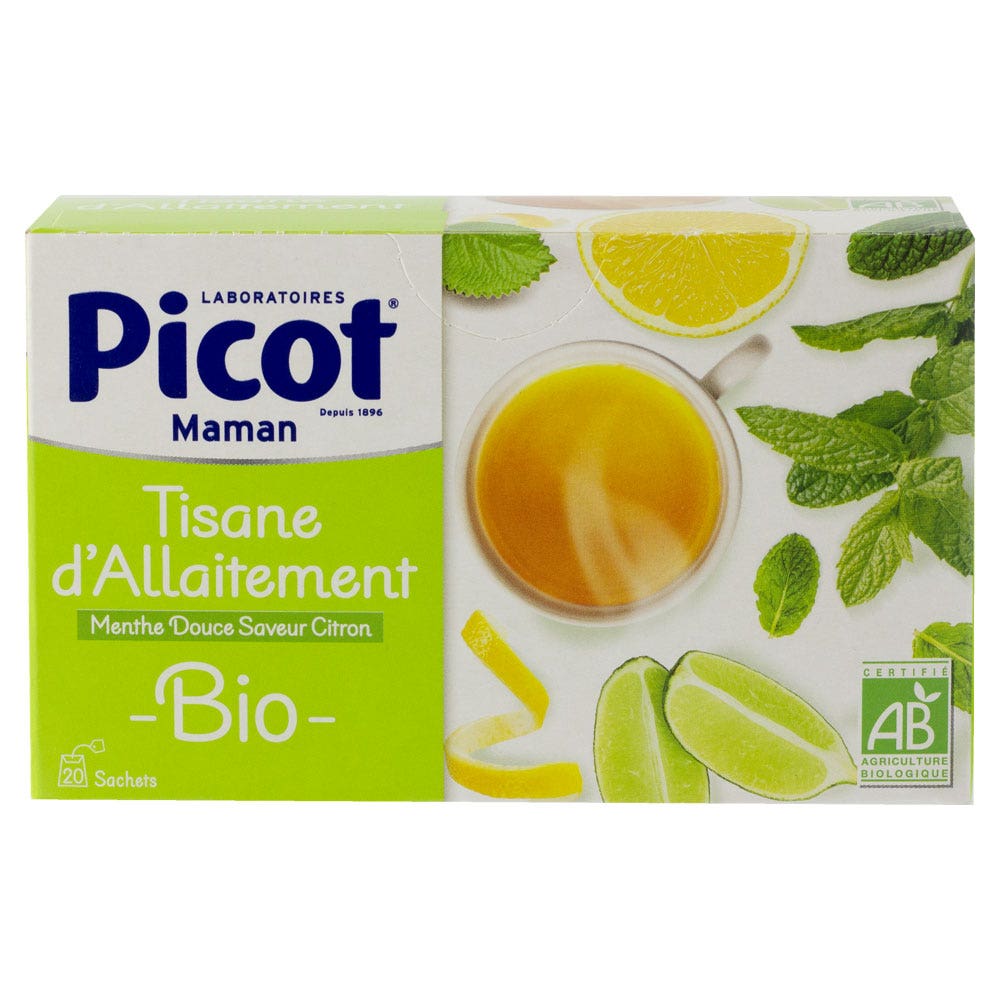
| Picot Mint & Lemon | Caraway | Yes | Mint & lemon | Supports lactation + refreshing taste |
| Weleda Fennel & Verbena | Fenugreek, anise, caraway, fennel | Yes | Herbal | Supports lactation + relaxation |
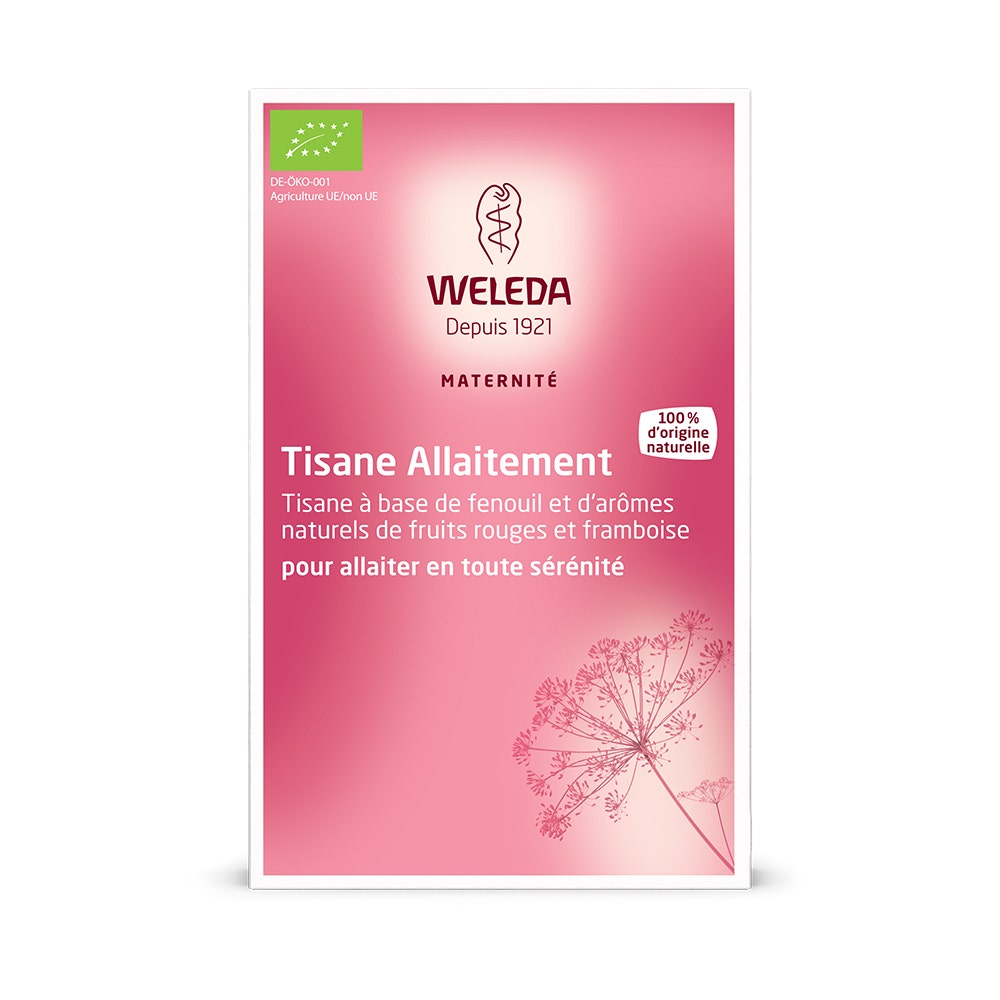
1. Weleda Red Fruits Breastfeeding Tea – 20 Tea Bags
Specially formulated for breastfeeding mothers, Weleda Red Fruits Breastfeeding Tea helps support milk production while providing a comforting moment of relaxation. Made with natural ingredients from organic farming, it offers a gentle and environmentally friendly option for both mother and baby.
Its carefully selected blend combines fenugreek, traditionally used to support lactation, lemon balm, known for its calming and relaxing properties, and caraway, which helps promote healthy digestion for both mother and baby.
2. Gifrer Breastfeeding Tea Gift Set – 3 x 10 Tea Bags
The Gifrer Breastfeeding Tea Gift Set has been specially developed for nursing mothers to naturally support breast milk production. Its blend of green anise, fennel, and caraway contains herbs traditionally recognized for their galactagogue properties.
Available in three delicious flavors—lemon, red berries, and peach-apricot—this variety pack makes every cup a pleasant and refreshing experience while supporting breastfeeding.
3. Vitaflor Floralis Organic Breastfeeding Tea – 18 Tea Bags
Vitaflor Floralis Organic Breastfeeding Tea is a natural choice for mothers looking to support lactation throughout their breastfeeding journey. Its blend of anise, fennel, caraway, and fenugreek seeds helps encourage healthy milk production.
In addition to supporting lactation, caraway contributes to digestive comfort, while the organic ingredients ensure a high-quality herbal infusion free from unnecessary additives. This tea provides both daily support and a relaxing wellness break.
4. Picot Organic Mint & Lemon Breastfeeding Tea – 20 Tea Bags
Picot Organic Mint & Lemon Breastfeeding Tea is specially designed to accompany mothers throughout breastfeeding. Combining refreshing mint and lemon flavors, it offers a light and enjoyable herbal infusion.
Made with organic herbs, including caraway, this tea naturally supports lactation while delivering a refreshing taste that can be enjoyed throughout the day. Each box contains 20 tea bags for daily use.
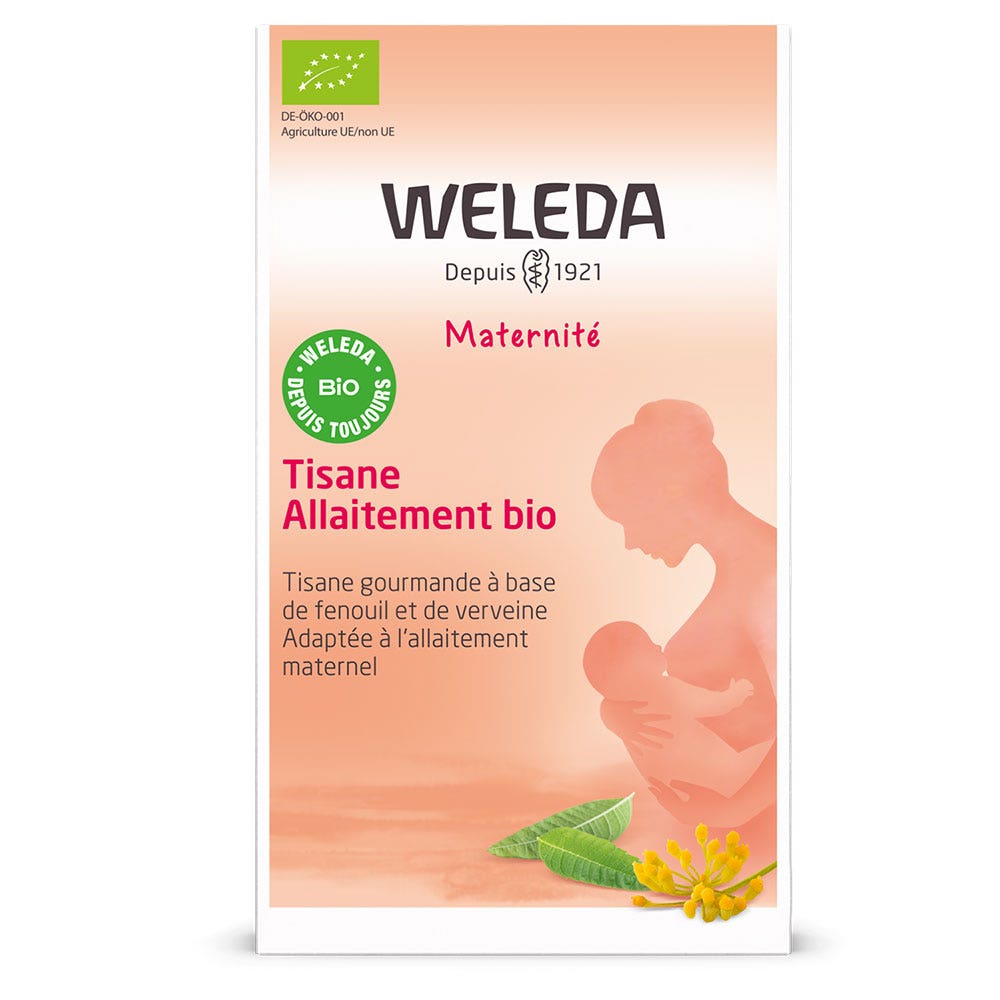
5. Weleda Organic Fennel & Verbena Breastfeeding Tea – 20 Tea Bags
Weleda Organic Fennel & Verbena Breastfeeding Tea is a natural herbal blend created to support breastfeeding mothers. Its carefully selected combination of fenugreek, anise, caraway, fennel, and verbena has been traditionally used to promote healthy milk production.
Suitable throughout the breastfeeding period, this organic tea helps support lactation while providing a soothing and relaxing daily ritual for new mothers.
Breastfeeding is a unique and important stage for both mother and baby. Breastfeeding teas offer a natural way to support milk production while providing hydration and moments of relaxation. In the rest of this guide, you’ll discover the benefits of breastfeeding teas, the herbs they contain, and when they may be recommended.
What Are the Benefits of Breastfeeding?
What Are the Benefits of Breastfeeding?
1. Benefits for Your Baby’s Health
Breastfeeding offers many health benefits for your baby. Breast milk is considered the ideal source of nutrition for newborns because it naturally provides the right balance of proteins, fats, vitamins, and minerals needed for healthy growth and development.
It is also rich in antibodies and other immune-supporting compounds that help protect babies against infections and illnesses. Breastfed infants generally have a lower risk of developing diarrhea, respiratory infections, ear infections, and other common childhood illnesses. Breastfeeding has also been associated with a reduced risk of childhood obesity and certain chronic diseases later in life, including type 2 diabetes and cardiovascular disease.
2. Benefits for the Mother’s Health
Breastfeeding also provides significant health benefits for mothers. Producing breast milk requires additional energy, which may help support postpartum weight loss and make it easier to return to a pre-pregnancy weight.
Research has also shown that breastfeeding may reduce the mother’s risk of developing certain health conditions, including breast cancer, ovarian cancer, cardiovascular disease, and type 2 diabetes. In addition, breastfeeding can positively impact maternal mental health by lowering the risk of postpartum depression and contributing to overall well-being.
3. Strengthening the Bond Between Mother and Baby
Breastfeeding plays an important role in strengthening the emotional bond between mother and baby. The close skin-to-skin contact and nurturing interaction stimulate the release of oxytocin, often referred to as the “love hormone.”
Oxytocin promotes feelings of comfort, security, and attachment while strengthening the relationship between mother and child. Breastfeeding is also associated with greater responsiveness to a baby’s cues and crying, encouraging better communication and emotional connection.
Emotional bonding: The time spent breastfeeding creates valuable opportunities for mothers and babies to share intimate moments together. These experiences help build trust, strengthen emotional attachment, and foster a loving, supportive relationship from the very beginning.
What Causes Breastfeeding Difficulties?
What Causes Breastfeeding Difficulties?
As mentioned above, breastfeeding is a natural process that offers many benefits for both mother and baby. However, several factors can make breastfeeding more challenging. One of the most common causes is an incorrect latch or poor breastfeeding position. If the baby is unable to latch onto the nipple and areola properly, feeding may become less effective, causing nipple pain for the mother and reducing the amount of milk the baby receives. Learning proper breastfeeding techniques and seeking guidance from a healthcare professional can help prevent these issues.
Physiological and hormonal factors may also contribute to breastfeeding difficulties. Breast engorgement, mastitis, and cracked nipples can make nursing painful and uncomfortable. In addition, low prolactin levels—the hormone responsible for milk production—may result in an insufficient milk supply. In these situations, it’s important to consult a doctor, midwife, or lactation specialist for personalized advice and appropriate treatment.
Emotional and psychological factors also play an important role. Stress, anxiety, and fatigue can negatively affect milk production and make breastfeeding more difficult. Social pressure and unrealistic expectations may also lead mothers to feel discouraged or guilty if breastfeeding doesn’t go as planned. Building a strong support network, speaking openly with healthcare professionals, and joining breastfeeding support groups can help mothers overcome these challenges.
What Are the Benefits of Breastfeeding Tea?
Breastfeeding teas are herbal infusions specially formulated to support nursing mothers throughout their breastfeeding journey. They are made from carefully selected natural herbs that have traditionally been used to help promote breast milk production while supporting the mother’s overall well-being. Common ingredients include fenugreek, anise, cumin, fennel, and verbena, all of which are known for their traditional galactagogue properties.
Beyond supporting lactation, breastfeeding teas may offer additional benefits. Herbs such as chamomile and lemon balm are known for their calming and relaxing properties, helping mothers manage stress and create a more peaceful breastfeeding experience. Ingredients like fennel and anise may also support digestion, helping to reduce bloating and digestive discomfort for both mother and baby. In addition, drinking herbal tea contributes to daily hydration, which is essential for maintaining healthy milk production.
Although breastfeeding teas are generally considered safe, it is always recommended to seek advice from a healthcare professional before adding them to your routine. Some herbs may interact with medications or may not be suitable for everyone. It’s also important to remember that breastfeeding teas are not a miracle solution for low milk supply. They work best alongside good breastfeeding practices, including proper positioning, feeding on demand, staying well hydrated, and maintaining a balanced diet.
When Is Breastfeeding Tea Recommended?
When Is Breastfeeding Tea Recommended?
Breastfeeding tea is generally recommended for mothers who are nursing their baby and would like to naturally support their breast milk production. These herbal infusions contain plants traditionally recognized for their galactagogue properties, which may help encourage lactation. They can be particularly beneficial for mothers who feel they have a low milk supply or simply wish to support breastfeeding as part of their daily routine.
Breastfeeding teas may also be recommended for mothers experiencing stress, anxiety, or sleep disturbances during the postpartum period. Herbs such as chamomile and lemon balm are known for their soothing and relaxing properties, helping to promote a calmer state of mind. A relaxed and comfortable environment can help support successful breastfeeding.
Before using a breastfeeding tea, always consult a healthcare professional—such as your doctor, midwife, or a lactation consultant—to ensure it is appropriate for your individual situation and will not interact with any medications or existing medical conditions. Breastfeeding teas should not be viewed as a standalone solution for breastfeeding challenges, but rather as a supportive addition to good breastfeeding practices.
- In general, 2 to 3 cups per day are recommended.
- Always follow the manufacturer’s instructions.
- You can start drinking breastfeeding tea from the beginning of your breastfeeding journey if needed.
- It can also be used occasionally if you notice a temporary decrease in your milk supply.
- Some herbs may not be suitable if you have certain medical conditions or are taking specific medications.
- Always check the ingredient list and seek advice from a healthcare professional before use.
- Do not exceed the recommended daily intake provided by the manufacturer.