Gray Hair: The Best Dietary Supplements and Solutions to Help Slow Its Appearance

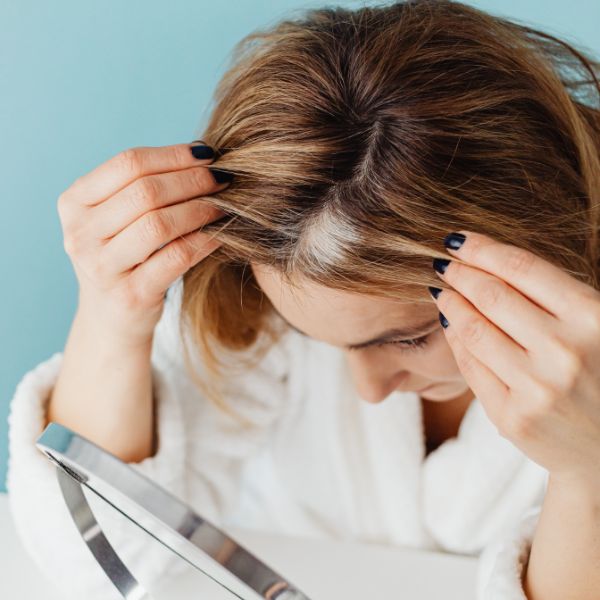
When combined with color-enhancing shampoos and a healthy hair care routine, dietary supplements for gray hair may help support hair pigmentation and slow the visible signs of hair aging. While they cannot reverse existing gray hair, certain nutrients may help delay the decline in melanin production, the natural pigment responsible for hair color.
This guide explores these often-overlooked supplements, highlighting the ingredients that may help slow the appearance of gray hair, support healthy hair pigmentation, and extend the time between hair coloring treatments.
Cheveux blancs : L’essentiel à retenirGray Hair: Key Takeaways
- Gray hair results from a gradual decline in melanin production.
- Genetics remain the primary factor influencing when gray hair appears.
- Dietary supplements cannot restore color to hair that has already turned gray.
- They may help slow the appearance of the first gray hairs by supporting normal hair pigmentation.
- Their potential benefits are greatest when used preventively, at the earliest signs of graying.
When and Why Does Gray Hair Appear?
Gray hair appears when melanocytes the cells responsible for producing melanin, the pigment that gives hair its natural color gradually produce less pigment. This process can begin at any age and is influenced by several factors, including natural aging, genetics, stress, certain medical conditions, nutritional deficiencies, and environmental factors such as UV exposure and chemical treatments.
While it is not possible to completely prevent gray hair in people who are genetically predisposed, maintaining good overall health and correcting nutritional deficiencies where appropriate may help support normal hair pigmentation. Certain dietary supplements may also help slow the appearance of the first gray hairs, although they cannot reverse hair that has already turned gray.
For example, stress has been associated with the premature appearance of gray hair. High levels of stress may affect the normal function of melanocytes and contribute to changes in hair pigmentation. However, the relationship between stress and gray hair is not yet fully understood, and current scientific evidence suggests that multiple factors are involved rather than stress alone.
As with hair loss, genetics play the most significant role in determining when gray hair appears and how quickly it progresses. Some people begin noticing gray hairs in their 20s, while others may retain their natural hair color well into their 60s. Family history also influences the extent and timing of graying, meaning that if your parents developed gray hair early in life, you are more likely to experience early graying as well.
How Can You Help Prevent Gray Hair?
There is no proven way to completely prevent gray hair, as the process is largely determined by genetics and the natural aging of hair follicles. However, adopting healthy lifestyle habits may help slow the appearance of gray hair and support overall hair health.
Here are some practical steps that may help:
- Eat a balanced, nutrient-rich diet that provides essential vitamins and minerals, particularly vitamins B, C, and E, as well as other nutrients involved in maintaining healthy hair.
- Limit excessive exposure to UV rays and harsh chemical treatments, such as bleaching agents and peroxide-based products, which can damage the hair and scalp.
- Manage stress through relaxation techniques such as yoga, meditation, regular exercise, or other stress-reducing activities. While the link between stress and gray hair is still being studied, reducing stress supports overall well-being.
- Maintain a healthy hair care routine by using gentle hair products and protecting your hair from environmental damage, including pollution and excessive heat styling.
- Avoid smoking and excessive alcohol consumption, as both have been associated with premature aging and may negatively affect hair health.
Although these habits may help delay the appearance of the first gray hairs, they cannot completely prevent graying. Gray hair is a natural part of the aging process. In fact, silver and gray hair have become increasingly embraced in recent years, with many people choosing to wear their natural color with confidence.
Can Dietary Supplements Help Fight Gray Hair?
There are two dietary supplement brands available on our website that are formulated to help support healthy hair pigmentation and slow the appearance of gray hair. They are available as tablets or capsules, making them convenient to take and easy to incorporate into a daily routine. Most products recommend one tablet or capsule per day, making long-term supplementation simple and easy to remember.
Among the nutrients most commonly associated with maintaining healthy hair are zinc, vitamin C, and selenium. Vitamin C, a powerful antioxidant, helps protect cells from oxidative stress caused by free radicals, which may contribute to the decline in melanin production. Zinc is an essential mineral that supports normal cell function and contributes to the maintenance of healthy hair. Selenium also plays an important role by helping protect cells from oxidative damage, supporting overall hair health.
It’s important to note that dietary supplements cannot restore color to hair that has already turned gray. Instead, they are intended to support healthy hair pigmentation and help slow the progression of graying, particularly when taken at the first signs of gray hair. For hair that is already predominantly gray or white, at-home hair coloring products remain the most effective cosmetic solution for restoring hair color.
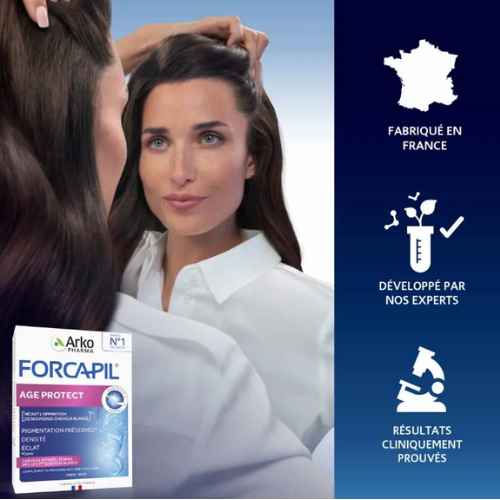
Arkopharma Forcapil Age Protect Pigmentation, Density & Shine – White & Dull Hair (90 Tablets)
This dietary supplement works from within to help combat the visible signs of hair aging. Its formula combines B vitamins, zinc, copper, and L-tyrosine to help reduce the appearance of new gray hairs, support natural hair pigmentation, and improve hair density, thickness, and shine. Ideal for dull, thinning hair, it helps promote stronger, healthier-looking, and more radiant hair.
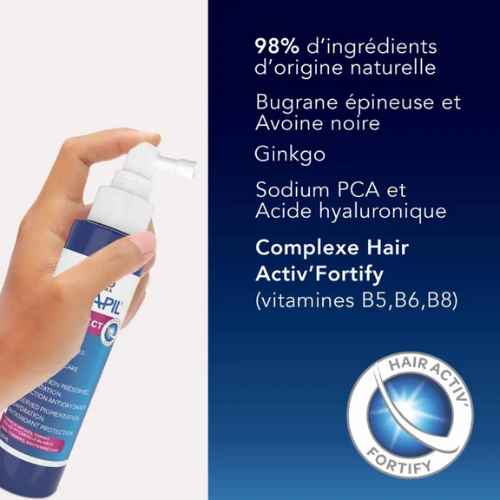
Arkopharma Forcapil Age Protect Regenerating Hair & Scalp Treatment – 125 mL
This leave-in treatment works directly on both the scalp and hair fiber. Enriched with hyaluronic acid and vitamins B5, B6, and B8, it provides intense hydration, strengthens the hair roots, and helps slow the appearance of gray hair. It also protects the hair from external aggressors while restoring softness, suppleness, and shine without weighing it down.
Which Ingredients Should You Look for in a Gray Hair Supplement?
| Ingredient / Nutrient | Primary Role | Why It’s Beneficial for Gray Hair | How to Include It in Your Routine |
|---|---|---|---|
| Copper | Supports normal hair pigmentation | Contributes to maintaining natural hair pigmentation and may help limit age-related loss of color. | Look for pigmentation-support supplements and include copper-rich foods such as nuts, seafood, and legumes in your diet. |
| Vitamin B12 | Supports cell renewal | A deficiency may be associated with premature graying in some individuals. | Particularly beneficial if you experience fatigue, follow a diet low in animal products, or suspect a deficiency. |
| Zinc | Protection against oxidative stress | Helps protect cells from oxidative stress, which may contribute to premature aging of the hair follicle. | Combine with an antioxidant-rich lifestyle and minimize exposure to smoking, UV rays, and excessive heat. |
| Selenium | Antioxidant and cellular protection | Helps protect cells from oxidative damage associated with premature aging. | Commonly included in anti-aging and antioxidant supplement formulas. |
| Vitamin C | Antioxidant | Helps reduce oxidative damage and supports iron absorption, which is important for healthy hair. | Pair with a diet rich in fruits and vegetables and protect your hair from excessive UV exposure. |
| Vitamin E | Antioxidant | Helps protect hair cells and the hair fiber, which often becomes drier as hair turns gray. | Ideal for dry, dull, or fragile hair care routines. |
| Folate (Vitamin B9) | Supports cell renewal | Often discussed in cases of premature graying, particularly when a deficiency is present. | Can be included as part of a vitality-focused routine alongside a diet rich in leafy green vegetables. |
| Iron | Oxygen transport | An iron deficiency may weaken hair and contribute to signs of premature hair aging. | If you experience hair loss or fatigue, consult a healthcare professional before supplementing. |
| L-Tyrosine | Melanin precursor | An amino acid involved in biological pathways related to melanin production. | Often found in hair pigmentation supplements as part of a comprehensive hair care routine. |
| Biotin (Vitamin B8) | Supports healthy hair and keratin production | Does not restore hair color but helps improve hair strength, thickness, and resistance to breakage. | An excellent addition to routines for brittle, thinning, or weakened hair. |
What Are the Best Solutions for Gray Hair?
Gray hair is a natural part of the aging process, resulting from the gradual decline in melanin, the pigment responsible for hair color. Although graying is inevitable for most people, several approaches may help slow its appearance, reduce the progression of early graying, and maintain healthy, vibrant-looking hair.
The goal is not to reverse existing gray hair, but rather to adopt a consistent hair care routine that supports healthy hair and scalp function. This may include a balanced diet, targeted dietary supplements, gentle hair care products, and protection against environmental damage. Whether your hair is beginning to turn gray, already silver, or fully white, the right routine can help keep it strong, soft, and radiant throughout the transition.
Can Gray Hair Be Reversed?
Gray Hair Routine: What Really Works
To help slow the appearance of gray hair and keep your hair looking healthy, the most effective approach is to combine several complementary habits. While no routine can completely prevent graying, the following strategies can help support healthy hair and maintain its appearance over time.
1. Protect Your Scalp from UV Rays, Pollution, and Oxidative Stress
Your scalp and hair are exposed to environmental stressors every day. UV radiation, pollution, and excessive heat contribute to oxidative stress, which may accelerate the aging of hair follicles and leave gray hair looking dull or yellowed.
To help protect your hair:
- Wear a hat or cap during prolonged sun exposure.
- Apply a UV-protective hair spray in the summer or while on vacation.
- Limit the use of high-heat styling tools, such as straighteners, curling irons, and very hot hair dryers.
- Rinse your hair after swimming in the sea or a chlorinated pool to reduce dryness and discoloration.
2. Nourish Your Hair from Within
Healthy hair starts at the root. A balanced diet rich in essential nutrients helps support normal hair growth and overall hair vitality. Several nutrients are particularly important when aiming to support healthy hair pigmentation and protect hair follicles from oxidative stress.
Key nutrients include:
- Protein, essential for the structure of the hair fiber.
- Iron, which supports oxygen transport to cells.
- Copper, which contributes to normal hair pigmentation.
- Zinc, which helps protect cells from oxidative stress.
- Vitamin B12 and folate (vitamin B9), nutrients often evaluated in cases of premature graying.
This is also why dietary supplements may be a useful addition to your routine, particularly if your diet is unbalanced or your nutritional needs are increased.
3. Choose Hair Care Designed for Gray and White Hair
Gray and white hair often have a different texture than pigmented hair. They tend to become drier, coarser, and more prone to yellowing due to sun exposure, pollution, and hard water. While hair care products cannot restore pigmentation at the root, they can greatly improve the appearance and manageability of gray hair.
Consider incorporating:
- Purple or blue shampoos to neutralize yellow tones and brighten gray or white hair.
- Color-depositing or color-enhancing shampoos, which temporarily add pigments to the hair fiber to reduce visible contrast.
- Nourishing and antioxidant-rich hair masks, which help hydrate, strengthen, and restore softness and shine to dry or dull hair.
This section is also an ideal place to link readers to your purple shampoos, nourishing hair masks, color-enhancing treatments, and other gray hair care collections, allowing them to explore suitable solutions without focusing on individual product recommendations.
It is not possible to completely prevent gray hair, as it is primarily determined by genetics and the natural aging process. However, healthy habits such as eating a balanced diet, protecting your hair and scalp from UV exposure, and managing stress may help slow the progression of graying and support overall hair health.
Once a hair has turned gray or white, it usually means that the hair follicle is no longer producing enough melanin, the pigment responsible for hair color. As a result, it is very unlikely for the hair to naturally regain its original color.
In rare cases, correcting certain nutritional deficiencies or underlying medical conditions may lead to some improvement in hair pigmentation. However, these situations are uncommon, and for most people, gray hair is a permanent and natural part of the aging process.
Vitamin B12 is one of the nutrients most commonly associated with hair pigmentation, particularly when a deficiency is present. Other nutrients, including copper, zinc, and antioxidant vitamins such as vitamin C and vitamin E, also play important roles by helping protect cells from oxidative stress and supporting overall hair health.
To help slow the appearance of gray hair naturally, focus on a balanced diet rich in essential nutrients such as vitamin B12, copper, and zinc, protect your hair from UV exposure, avoid smoking, minimize damage from excessive heat styling and harsh chemical treatments, and follow a nourishing hair care routine. While these habits cannot stop the natural graying process, they may help delay its progression and support healthier, stronger-looking hair.