
Which Bach Flower Remedies Can Help You Quit Smoking?


The decision to quit smoking is one of the most significant challenges in a personal health journey. While physical dependence on nicotine is a well-documented physiological reality, the psychological barrier is often one of the most difficult obstacles to overcome. Smoking can become deeply rooted in daily routines and associated with managing emotions, boredom, or social situations. Giving up this coping mechanism can trigger intense emotional reactions that willpower alone may sometimes struggle to manage.
Many smokers turn to natural approaches to support them during this transition. Dr Bach’s flower remedies, which have been used for decades with the aim of supporting emotional well-being, are one such option. They should not replace evidence-based smoking cessation treatments, such as nicotine replacement therapy, particularly when physical dependence is strong. Some people use them as a complementary approach to help manage the emotional triggers associated with smoking. Understanding these feelings and learning how to manage them can make the quitting process feel more manageable. The aim is to separate emotional triggers from the act of smoking.
Key Takeaways
- Emotional support: Bach Flower Remedies are used to support the management of emotions such as anger, fear, or uncertainty that may arise when quitting smoking.
- Personalized approach: There is no single remedy for everyone; combinations are generally chosen according to the individual’s emotional needs.
- Complementary approach: Bach Flower Remedies may be used alongside established smoking cessation methods such as nicotine patches or gum.
- Gentle approach: These flower essences are used as a complementary wellness approach and are not intended to treat nicotine dependence itself.
- Managing cravings: Some people use them as emotional support during the brief but intense periods when the urge to smoke arises.
Understanding the Emotional Mechanisms of Smoking Cessation
To quit smoking successfully, it is important to first understand why cigarettes have become such an important part of your daily life. Beyond nicotine, smoking can become a response to certain emotional states. People may smoke to calm themselves, boost their confidence, fill a sense of emptiness, or simply take a break. When cigarettes are removed, these emotional needs may remain, but the usual coping mechanism is no longer available.
This is often when withdrawal feels most difficult. Irritability can increase, tolerance for frustration may decrease, and doubts can arise. According to Tabac Info Service, strong urges to smoke, commonly known as cravings, generally last only a few minutes. Although brief, they can feel much longer when you are under stress. Complementary approaches such as Bach Flower Remedies may be used by some people to support emotional well-being during these challenging moments, although they have not been proven to treat nicotine dependence or withdrawal symptoms.
Focusing on emotional triggers can help break the automatic association between “I feel bad” and “I need a cigarette.” This requires some self-reflection: what emotion do you experience just before you feel the urge to smoke? Is it boredom, anger, anxiety, or something else? Identifying these patterns can help you choose appropriate coping strategies and better understand your smoking habits.
Understanding the Psychological Barriers Faced by Smokers
To choose the right support, it can be useful to shift the focus away from the product itself and pay closer attention to your inner feelings. Dr Bach classified human emotions into seven broad groups. In the context of smoking cessation, three are often considered particularly relevant within the Bach Flower system: fear, uncertainty, and oversensitivity to external influences. Identifying the emotions associated with the urge to smoke may help you better understand your personal triggers.
Fear of Losing Control
Quitting smoking can sometimes feel like losing a familiar point of reference. For some smokers, cigarettes have become an important emotional coping mechanism. The idea of giving them up can trigger feelings of intense anxiety. In these situations, the difficulty may come not only from the urge to smoke but also from built-up nervous tension that no longer has its usual outlet.
This can feel like mounting internal pressure, with the person feeling that they constantly have to control their reactions to avoid becoming irritable or overwhelmed. The goal is therefore to find alternative ways to release mental pressure and manage difficult emotions without automatically turning to cigarettes.
Mental Fatigue and Discouragement
There is a difference between feeling unable to quit and feeling unable to find the energy to try. Some people experience mental fatigue even before beginning the process. They may repeatedly postpone their quit date because the effort ahead seems overwhelming. This does not necessarily reflect a lack of motivation, but rather a lack of mental energy or momentum.
Previous unsuccessful attempts can also lead to pessimism and reduced confidence. Someone may begin to believe that quitting is simply beyond their reach. In this situation, the challenge is to rebuild self-confidence, set achievable goals, and develop a more positive outlook on the quitting process.
Oversensitivity and Difficulty Adapting
Smoking is often linked to social rituals and deeply established daily routines. Quitting therefore involves changing habits that may have been in place for many years. During this transition, some people may feel particularly vulnerable to external influences.
A stressful day at work, being around other smokers, or an unexpected emotional event may trigger the urge to smoke again. The challenge is to develop strategies that help you remain committed to your decision despite changes or pressures in your environment. Identifying triggers in advance and preparing alternative coping mechanisms can make these situations easier to manage.

Cravings: How to Manage Those 3 Intense Minutes?
Did you know? A strong urge to smoke, known as a craving, often lasts only a few minutes. During this brief period, the desire to smoke can feel particularly intense as the brain adjusts to the absence of its usual nicotine reward.
Some people choose to use Bach Flower Remedies as a complementary form of emotional support during these moments. Unlike nicotine replacement therapies, such as patches, Bach Flower Remedies do not treat physical nicotine withdrawal and have not been proven to reduce cravings. Taking a few drops may instead become part of a calming routine when tension rises. The aim is to better manage emotions such as anger or anxiety during these difficult moments while allowing the craving to pass.
Discover Our Bach Flower Remedies to Support You in Quitting Smoking


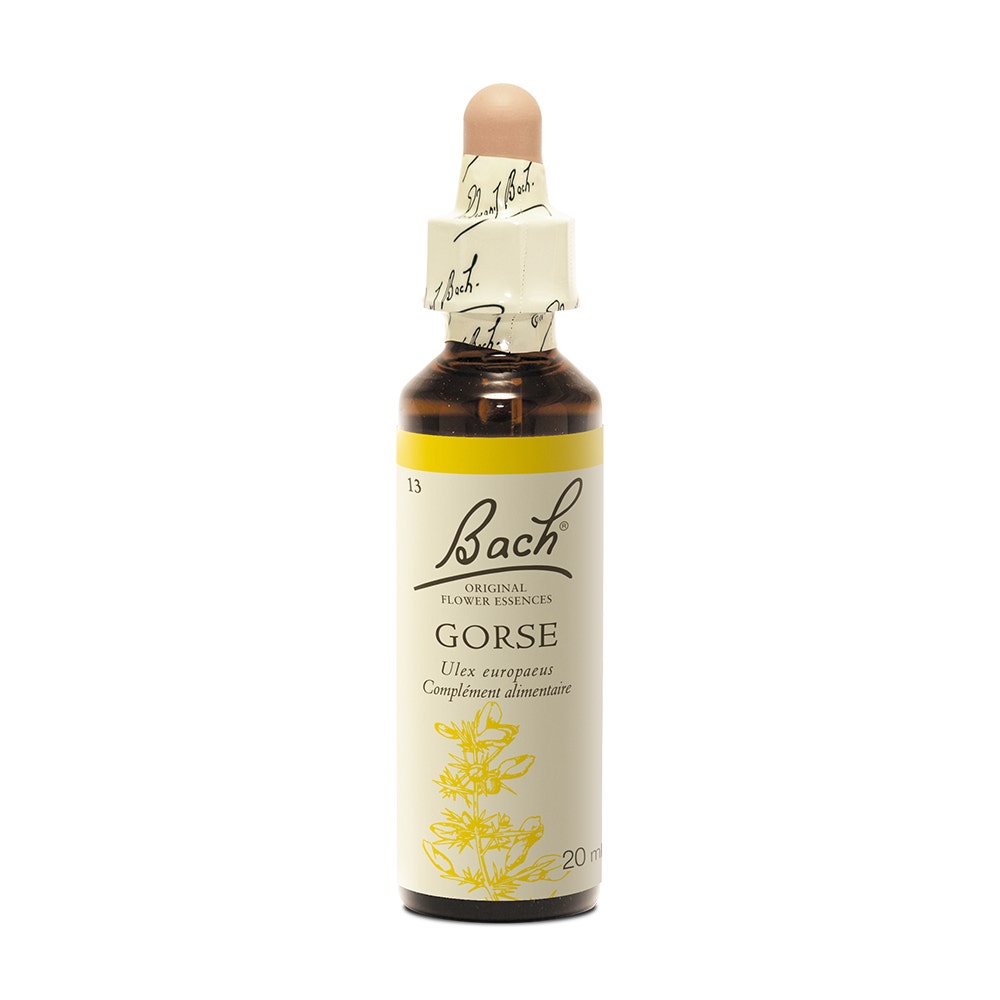
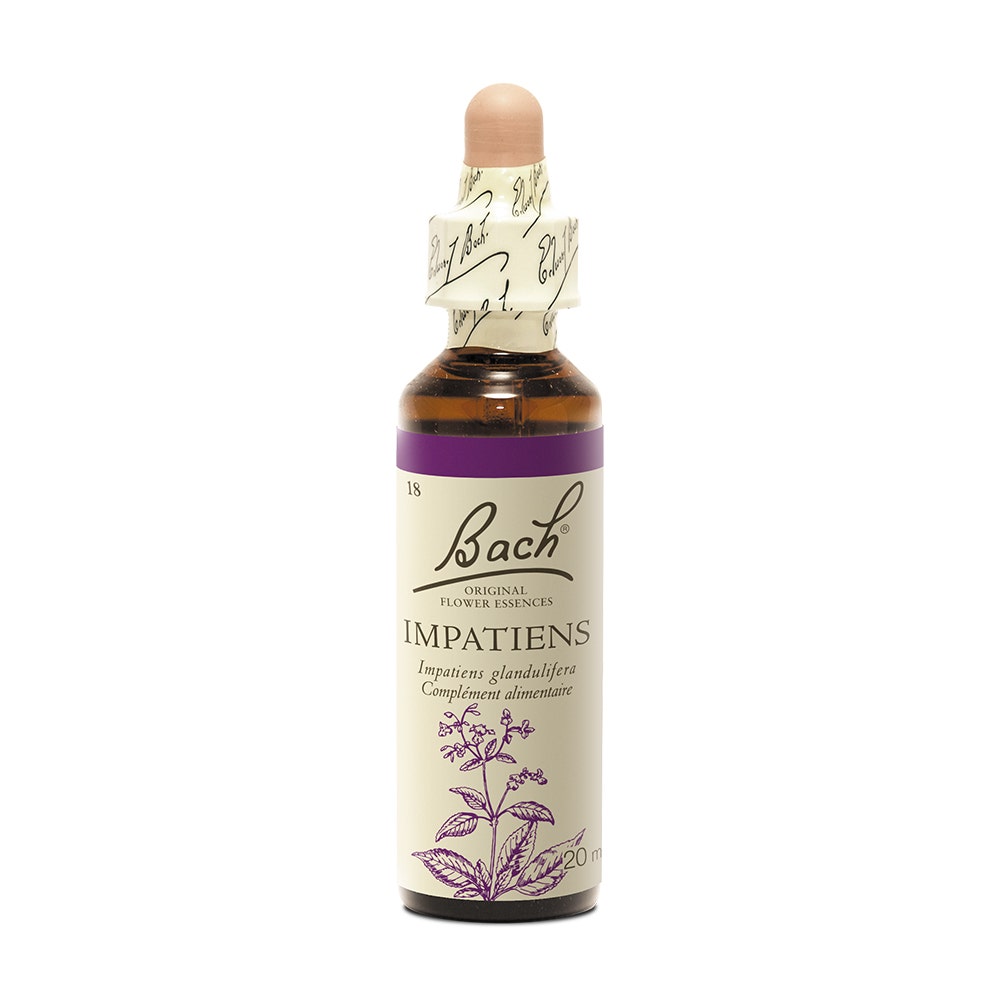


Comparison Table of Bach Flower Remedies for Quitting Smoking
| Product | Composition | Emotional Benefits | Who Is It For? | Strengths / Weaknesses |
|---|---|---|---|---|
| Bach Original No. 33 Walnut | Walnut extract (Juglans regia), grape alcohol (27% v/v) | Traditionally associated with adapting to change and reducing sensitivity to external influences. | Smokers looking for emotional support when changing established habits and dealing with external temptations. | + Traditionally used during periods of transition. – Contains alcohol. |
| Bach Original No. 06 Cherry Plum | Cherry Plum extract (Prunus cerasifera), grape alcohol (27% v/v) | Traditionally associated with maintaining composure when emotions feel difficult to control. | Those who experience intense emotional pressure or fear losing control during smoking cessation. | + Associated with moments of intense emotion. – Distinctive taste. |
| Bach Original No. 18 Impatiens | Impatiens extract (Impatiens glandulifera), grape alcohol (27% v/v) | Traditionally associated with patience and emotional calm during periods of irritability or restlessness. | Smokers who feel particularly nervous, restless, or impatient while quitting. | + Associated with emotional calm. – Fragile dropper bottle. |
| Bach Original No. 13 Gorse | Gorse extract (Ulex europaeus), grape alcohol (27% v/v) | Traditionally associated with hope and a more positive outlook after previous setbacks. | Those who feel discouraged or doubt their ability to quit smoking successfully. | + Used for emotional support during discouragement. – Requires regular use according to the product instructions. |
| Bach Original No. 17 Hornbeam | Hornbeam extract (Carpinus betulus), grape alcohol (27% v/v) | Traditionally associated with overcoming mental fatigue and finding motivation to get started. | Those who repeatedly postpone their quit date because they feel mentally tired or unmotivated. | + Associated with motivation and mental readiness. – Contains alcohol. |
| Bach Original No. 19 Larch | Larch extract (Larix decidua), grape alcohol (27% v/v) | Traditionally associated with self-confidence and greater belief in one’s abilities. | Smokers who lack confidence in their ability to successfully quit. | + Associated with self-confidence. – Distinctive taste. |
A Closer Look at the 6 Bach Flower Remedies for Quitting Smoking
Bach Original No. 33 Walnut
Walnut is traditionally associated with periods of transition and change. When quitting smoking, established habits and routines are disrupted, and some people may feel particularly sensitive to external influences. Within the Bach Flower system, Walnut is used to support emotional stability during these transitions and help people remain focused on their decision despite external pressures.
Bach Original No. 06 Cherry Plum
Cherry Plum is traditionally associated with moments when emotions feel difficult to control. During smoking cessation, some people may experience intense irritability or feel overwhelmed by the urge to smoke. Within the Bach Flower approach, this remedy is used to support emotional composure and maintain self-control during challenging moments.
Bach Original No. 18 Impatiens
Impatiens is traditionally associated with patience and emotional calm. At the beginning of smoking cessation, irritability and restlessness can become more noticeable. Within the Bach Flower system, Impatiens is used by people seeking to manage feelings of impatience and approach stressful situations more calmly.
Bach Original No. 13 Gorse
Gorse is traditionally associated with hope and optimism. It may appeal to smokers who have already made several unsuccessful attempts to quit and now doubt their ability to succeed. Within the Bach Flower approach, it is used to encourage a more positive outlook and renew confidence in the possibility of success.
Bach Original No. 17 Hornbeam
Hornbeam is traditionally associated with mental fatigue and difficulty getting started. It may be considered by people who repeatedly postpone quitting because the process feels mentally overwhelming. Within the Bach Flower system, Hornbeam is associated with renewed motivation and readiness to take action.
Bach Original No. 19 Larch
Larch is traditionally associated with self-confidence. Some smokers may doubt their ability to quit or compare themselves negatively with others who have succeeded. Within the Bach Flower approach, Larch is used to support greater confidence in one’s own abilities and encourage people to approach smoking cessation without comparing themselves to others.
Directions for Use: How to Use These Flower Remedies Daily
Using Bach Flower Remedies is relatively simple, which can be convenient during the already demanding process of quitting smoking. There is generally no strict schedule, but it is important to follow the directions for use provided with each product.
They can usually be taken directly on the tongue, with the number of drops and frequency depending on the product instructions. Another common method is to dilute the recommended amount in a glass or bottle of water and drink it in small sips throughout the day.
Another popular option is a personalized blend. Several Bach Flower Remedies can be combined to address different emotional needs at the same time—for example, Impatiens for feelings of irritability, Cherry Plum for moments when emotions feel difficult to control, and Larch for a lack of self-confidence. Always follow the manufacturer’s recommendations regarding preparation and dosage.
Precautions and Duration of Use
Follow the recommended dosage indicated on the product packaging and avoid exceeding it unnecessarily. The duration of use may vary depending on individual needs. Bach Flower Remedies may be incorporated into a smoking cessation routine for emotional support, but they should not replace evidence-based treatments for nicotine dependence.
Many traditional Bach Flower Remedy preparations contain alcohol as a preservative. Although the amount consumed per dose is generally small, people who need or wish to avoid alcohol should check the product composition before use. Alcohol-free alternatives may also be available.
Bach Flower Remedies have not been proven to treat nicotine dependence or smoking withdrawal. For additional support with quitting smoking, a healthcare professional can recommend established options such as nicotine replacement therapy and behavioural support.
Smoking Cessation Statistics and Data
Quitting smoking can be a challenging process, but perseverance is important. According to Santé publique France, successfully remaining smoke-free during the first month is an important milestone, as this period is often associated with a greater likelihood of quitting in the longer term. Emotional and behavioural support can therefore be particularly valuable during the early stages of smoking cessation.
Psychological factors such as stress and anxiety can also contribute to smoking relapse. Identifying and managing these emotional triggers may therefore form an important part of a smoking cessation strategy. Some people choose to use Bach Flower Remedies as complementary emotional support, although there is currently no established scientific evidence that they directly improve smoking cessation success rates or treat nicotine dependence.
Complementary Strategies to Maximize Your Chances of Success
Although some people use Bach Flower Remedies as a form of emotional support, quitting smoking often requires a broader approach. The body also needs time to adjust to functioning without nicotine.
The Importance of Diet
Quitting smoking can affect appetite, taste, and eating habits. Some people experience increased cravings for sweet foods after giving up cigarettes. A balanced diet rich in fruit, vegetables, whole grains, and other nutrient-dense foods can help support overall health during this period. Foods containing vitamin C, such as kiwis, citrus fruits, and peppers, as well as sources of magnesium such as almonds and whole grains, can form part of a varied and balanced diet.
Physical Activity as an Outlet
Physical activity can be particularly helpful during smoking cessation. Exercise can improve mood, help manage stress, and provide a distraction when cravings arise. A brisk 15-minute walk, a yoga session, or swimming can help you manage the urge to smoke while supporting your overall physical and mental well-being.
Nicotine Replacement Therapy
Complementary approaches and established smoking cessation treatments do not necessarily have to be used separately. Bach Flower Remedies may be incorporated into a personal well-being routine alongside nicotine replacement therapies (NRTs) such as patches, gum, or lozenges. NRTs are evidence-based treatments designed to reduce nicotine withdrawal symptoms and cravings, whereas Bach Flower Remedies have not been proven to treat nicotine dependence. Combining appropriate smoking cessation treatments with behavioural and emotional support can help address different aspects of the quitting process.
FAQ – Answers to Your Questions
Original Bach Flower Remedies contain approximately 27% grape alcohol as a preservative. However, the amount consumed in a typical dose of a few drops is very small. For people who need or prefer to avoid alcohol, alcohol-free alternatives are available. Pregnant or breastfeeding women and people with medical concerns should seek advice from a healthcare professional before use.