
Top 5 food supplements for seasonal allergies


As soon as spring and autumn arrive, seasonal allergies take over. Allergy sufferers know all about runny noses, headaches and itchy throats when the seasons change. To help you cope with these seasonal changes.
Key facts to remember :
- Seasonal allergies are more common in spring and autumn.
- They are often linked to pollen, dust or house dust mites.
- Good daily habits can limit symptoms
- Certain dietary supplements can help you cope better with them
- They do not replace medical treatment in the case ofsevere allergy.
What to do in case of allergy?
Seasonal allergies are a common problem that can affect people at different times of the year, depending on the allergens in the air. Symptoms can include sneezing, itching, runny nose and itchy eyes. However, there are several simple steps you can take to reduce symptoms and feel better. The first step is to avoid allergens. If you know the allergen involved, such as pollen, limit your exposure in areas with high concentrations. If possible, stay indoors on days when pollen counts are high. To eliminate any allergens, you also need to keep your home clean. We advise you to use a vacuum cleaner with a suitable filter to remove pollen and dust particles from your home.
In addition, wash your sheets, pillowcases and curtains regularly to eliminate any allergens that may accumulate. In conjunction with this daily routine, you can also opt for a dehumidifier. The dehumidifier keeps the humidity level in your home at an optimum level. This can help reduce the growth of mold and dust mites, which can cause allergies.
If you have allergies, you need to be careful about the cosmetics you use. Avoid chemical products or those with too strong a fragrance, which could lead to skin allergies such as atopic dermatitis. Indeed, perfumes can easily trigger allergies in the most sensitive individuals. It is also advisable to take additional measures to strengthen your immune system. A balanced diet rich in vitamins and minerals is recommended to boost your immune system and reduce the risk of allergies. You can also take vitamin C and quercetin supplements, which are known to reduce allergic symptoms.
Also, exercise regularly to maintain good health and strengthen your immune system. Finally, if symptoms persist despite all preventive measures, don’t hesitate to consult a doctor. Anti-allergy medications such as antihistamines, decongestants and corticosteroids can help reduce symptoms. Your doctor can help you determine the best treatment for your symptoms and the severity of your allergy.
Are dietary supplements effective in the fight against allergies?
Allergies are an excessive and inappropriate reaction of the immune system to a foreign substance, which can manifest itself in a variety of symptoms, from allergic rhinitis (runny nose, sneezing) to hives, itching, rashes and breathing difficulties. Allergies are often treated with antihistamines, corticosteroids and other medications, but many people also seek natural ways to relieve their symptoms, including the use of dietary supplements. Supplements are products containing vitamins, minerals, amino acids, herbs and other substances that can be added to the diet to improve health and well-being. Dietary supplements can be useful for boosting the immune system and reducing inflammation, which can help reduce allergic symptoms.
The effectiveness of dietary supplements in combating allergies depends on the ingredients they contain and the nature of the allergy itself. For example, some studies have shown that quercetin, an antioxidant found in certain foods and dietary supplements, can help reduce inflammation and allergic symptoms. Similarly, vitamin C, folic acid and omega-3 fatty acids have also been studied for their potential to reduce allergic symptoms. However, not all dietary supplements are effective or safe. Some may even aggravate allergic symptoms. It is therefore necessary to discuss with a health professional before taking any dietary supplements, especially if you are already taking medication or have underlying health problems. Food supplements should not replace a healthy, balanced diet. A diet rich in fruits, vegetables, whole grains and lean proteins is recommended to maintain a healthy immune system and reduce allergic symptoms.
Pollen allergies: which supplements are best?
Pollen allergy is a common condition affecting millions of people worldwide. Symptoms of pollen allergy can include sneezing, itching, nasal congestion and watery eyes.
Food supplements recommended for pollen allergies include probiotics, omega-3 fatty acids and quercetin. Probiotics are beneficial bacteria that can boost the immune system and reduce inflammation in the body. Omega-3 fatty acids are essential fatty acids that can also reduce inflammation and help prevent allergy symptoms. Quercetin, meanwhile, is a flavonoid that can help reduce inflammation and stabilize mast cells, which are involved in the allergic response.
In addition to dietary supplements, follow a healthy, balanced diet rich in fruit, vegetables and antioxidant-rich foods. Avoid processed foods and added sugars, which can aggravate inflammation in the body. Finally, consult a healthcare professional before taking dietary supplements, as they may interact with other medications.
The best allergy supplements
| Product | Main active ingredients | Action | Format |
|---|---|---|---|
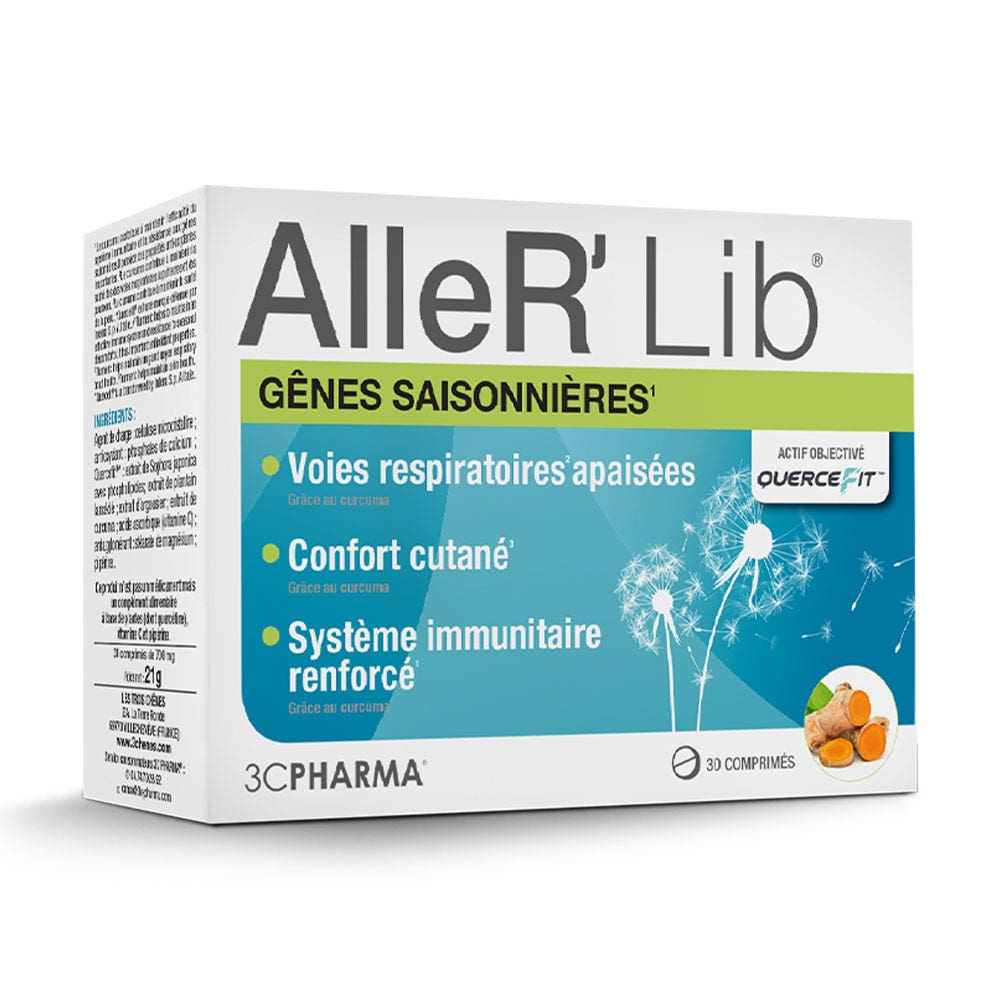
| Aller’Lib – 3C Pharma | Vitamin C, turmeric, herbs | Respiratory tract and skin comfort | Tablets |
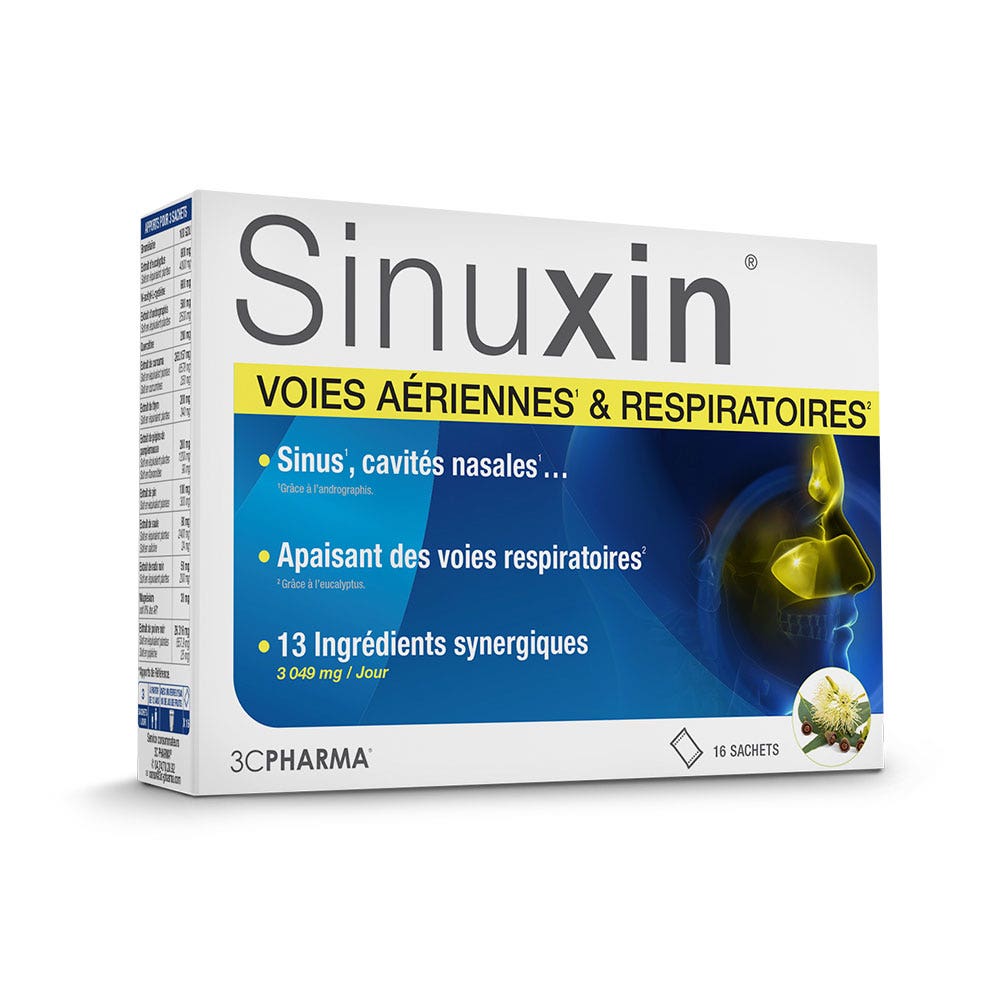
| Sinuxin – 3C Pharma | Complex of plants and minerals | Sinus and nasal cavity comfort | Sachets |
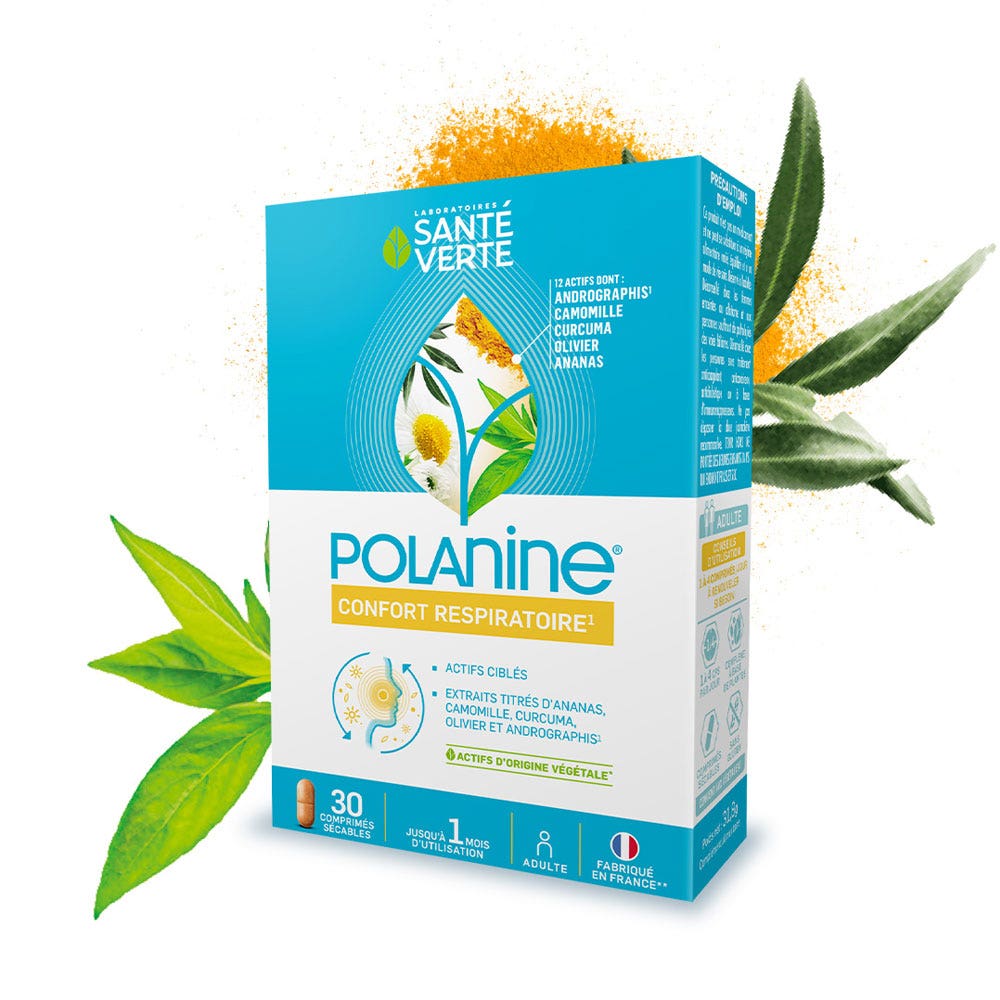
| Polanine – Santé Verte | Herbs, vitamin C, L-methionine | Seasonal reactions and headaches | Tablets |
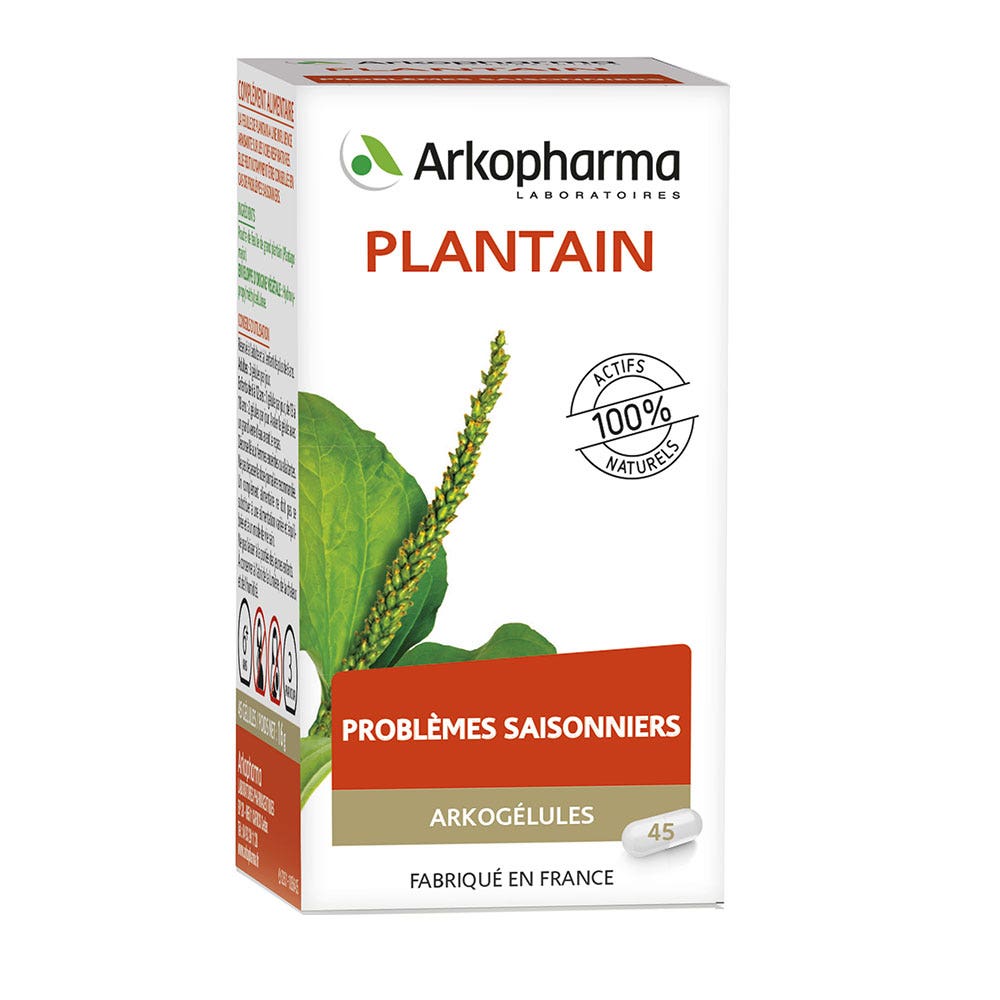
| Arkogélules Plantain – Arkopharma | Plantain | Seasonal respiratory comfort | Capsules |
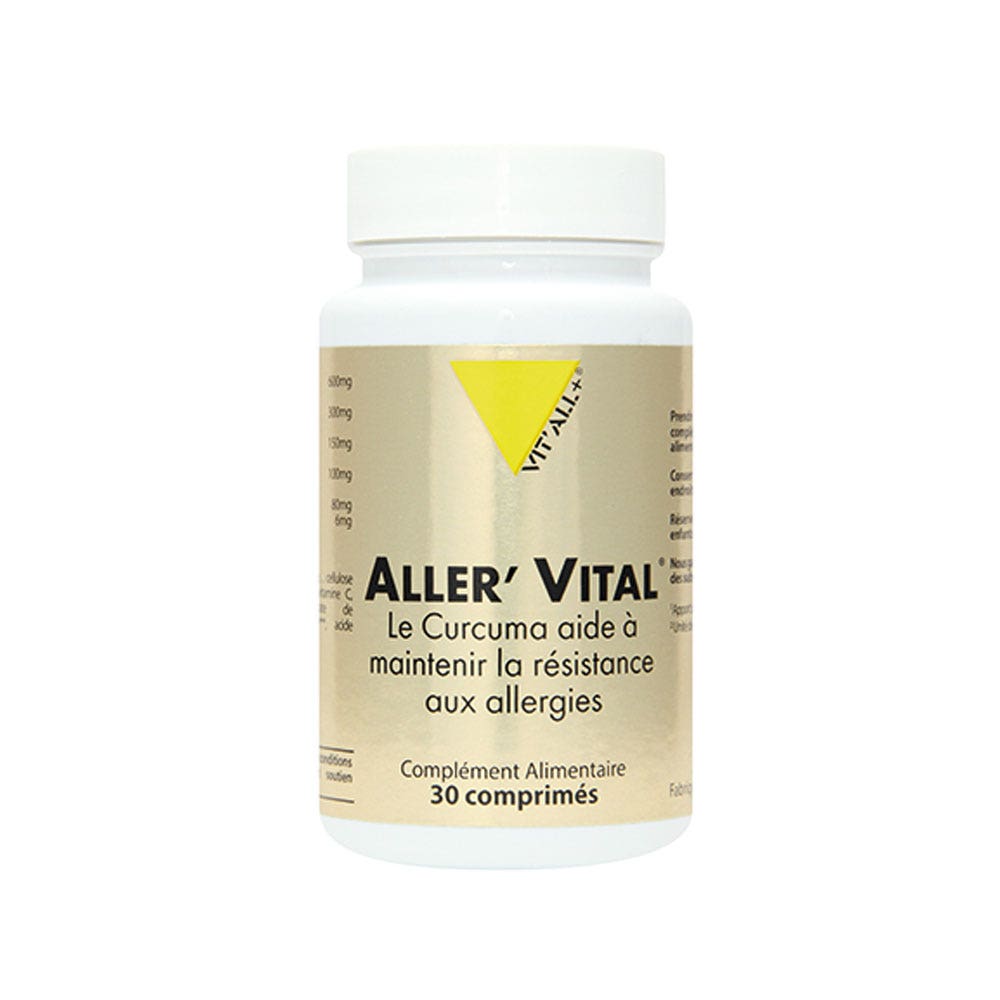
| Aller’Vital – Vit’All+ | Turmeric, blackcurrant | Immunity support and seasonal resistance | Tablets |
To combat seasonal allergies, you can support yourself with a dietary supplement tailored to your needs and those of your body. For your well-being, allergy supplements will strengthen the immune system,soothe the respiratory tract and provide skin comfort for even the most sensitive skin.
To limit seasonal discomfort and boost the immune system, Aller’ Lib from 3C Pharma Laboratories offers a complex of plant-based food supplements. With its combination of vitamin C and turmeric, Aller Lib helps maintain the well-being of both airways and skin.
For people with nasal problems, you can opt for Sinuxin multifactorial complex. With its physiological actions, the dietary supplement will act on the sinuses and nasal cavities for optimal comfort throughout the seasonal changes. Available from 36 months, the supplements come in mango-flavored sachets for easy consumption.
If you tend to be allergic to pollen, dust or hay fever, we recommend Santé Verte’s Polanine dietary supplements. Formulated with 13 natural active ingredients, including 7 plants, the supplements will act naturally. In case of seasonal reactions, Polanine will boost the body’s defenses with hyssop and lovage, but also reinforce natural defenses with vitamin C and l-methionine. It improves congestion and headaches thanks to andographis combined with chamomile. Without drowsiness, irritation or addiction: Polanine is a springtime ally.
Arkopharma’s Arkogélules Plantain are ideal for those who love plants, especially plantain. Ideal for seasonal problems, this dietary supplement is suitable for people who want to combat respiratory discomfort due to seasonal changes and, in particular, the onset of allergies.
Maintaining allergy resistance is also essential for people used to the discomforts of seasonal changes. For those who want to prepare ahead of time and help maintain the immune system’s resistance to seasonal allergies, Vit’All+ formulates Aller’Vital with turmeric and blackcurrant. Turmeric helps maintain the immune system, while blackcurrant enhances overall resistance to various external factors and supports immunity.
- Excessive reaction of the immune system
- Triggered by allergens such as pollen or dust mites
- Occurs mainly in spring and fall
- Repeated sneezing
- Runny or congested nose
- Itchy eyes and throat
- Headaches and fatigue
- Can help reduce the intensity of symptoms
- Support the immune system
- They do not replace medical treatment