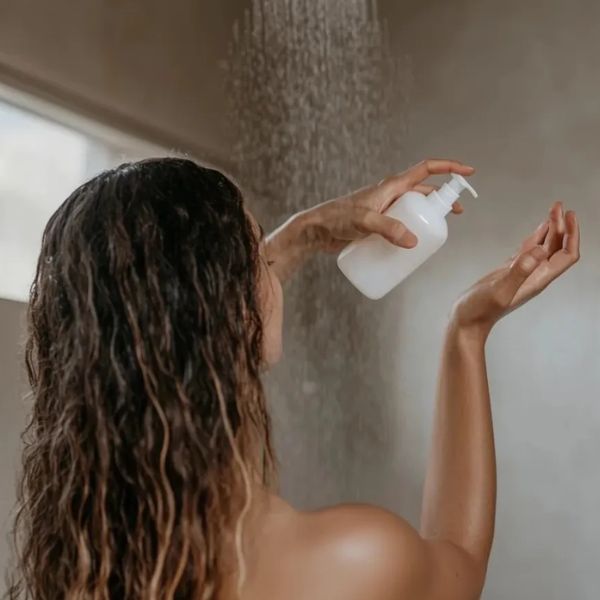
Top 5 Dietary Supplements for Acne


Acne is a common skin condition that affects millions of people, often causing discomfort and impacting self-confidence. While topical treatments and prescription medications remain common options for managing breakouts, an increasing number of people are turning to natural solutions to achieve clearer, healthier-looking skin. Dietary supplements offer a holistic approach to acne management by targeting underlying causes and providing essential nutrients that support skin health. In this article, we’ll explore the benefits of dietary supplements for acne, the key ingredients to look for, and how to choose the best product for your needs.
In addition to conventional treatments, it’s important to consider the role of nutrition and lifestyle in maintaining healthy skin. Acne supplements can be a valuable addition to a well-rounded skincare routine by working from within to support skin renewal, hormonal balance, and immune function. Taking an integrative approach helps address the many factors that contribute to acne while promoting long-term skin health. We’ll also discuss why ingredient quality matters and the key factors to consider when selecting effective and safe dietary supplements, so you can make informed decisions on your journey toward clearer, healthier skin.
Best Dietary Supplements for Acne: Key Takeaways
- Acne supplements work from within to address the underlying causes of acne.
- They help regulate sebum production, reduce inflammation, and support hormonal balance.
- A typical course of supplementation lasts 1 to 3 months.
- They complement a skincare routine but should not replace it.
- A holistic approach—including a balanced diet and healthy lifestyle—is essential for achieving the best results.
Why Choose a Dietary Supplement to Help Manage Acne?
How to Choose a Dietary Supplement for Acne?
When choosing a dietary supplement to help fight acne, it’s important to identify your specific skin concerns, look for evidence-based ingredients, prioritize product quality, consider any allergies or dietary restrictions, and review customer feedback. Taking these factors into account can help you select a supplement that’s best suited to your individual needs.
The first step is to understand what may be contributing to your breakouts. Acne can be influenced by hormonal imbalances, stress, poor nutrition, inflammation, or gut health. Identifying the underlying factors affecting your skin will help you choose a supplement with ingredients that target your specific concerns.
Next, carefully read the ingredient list. Look for nutrients that are commonly used to support skin health, including vitamin A, vitamin E, zinc, and omega-3 fatty acids, along with anti-inflammatory ingredients such as curcumin, green tea extract, and fish oil. If hormonal acne is a concern, consider products that also contain ingredients like inositol, vitex (chasteberry), or DIM (diindolylmethane) to support hormonal balance.
Ingredient quality is equally important. Choose supplements from reputable brands that are transparent about their formulations and manufacturing standards. Products that are produced in Good Manufacturing Practice (GMP)-certified facilities or have undergone independent third-party testing provide greater confidence in their purity, potency, and quality.
It’s also essential to check for potential allergens or ingredients that may not fit your dietary preferences. Review the label to ensure the product is free from substances you may be sensitive to, such as gluten, dairy, soy, or tree nuts, if applicable.
Finally, reading customer reviews can provide useful insights into a product’s effectiveness and overall user experience. While reviews should not replace scientific evidence or professional medical advice, they can help you understand how others have responded to the supplement. Keep in mind, however, that results vary from person to person, and what works well for one individual may not produce the same outcome for another.
Which Ingredients Can Help Reduce Acne?
Dietary supplements can be valuable allies in supporting acne-prone skin, but their effectiveness largely depends on choosing formulations with the right ingredients. A combination of vitamins, minerals, healthy fats, and plant-based compounds can help address some of the underlying factors associated with acne, including inflammation, excess oil production, and skin barrier health.
Vitamins
Vitamins play an essential role in maintaining healthy skin. Vitamin A supports normal skin cell turnover and helps regulate sebum production, which may reduce the likelihood of clogged pores. Vitamin E is a powerful antioxidant that helps protect skin cells from oxidative stress while supporting the skin’s natural repair process.
Zinc
Zinc is one of the most popular ingredients in acne supplements. It has anti-inflammatory properties, supports normal immune function, and plays a role in skin healing and collagen production. Zinc may also help regulate sebum production, making it particularly beneficial for oily and acne-prone skin.
Omega-3 Fatty Acids
Found in fish oil and flaxseed, omega-3 fatty acids help reduce inflammation throughout the body and support the skin’s protective barrier. A healthy skin barrier can help defend against environmental irritants and maintain optimal skin hydration.
Natural Anti-Inflammatory Compounds
Plant-based ingredients such as curcumin (from turmeric) and green tea extract are well known for their antioxidant and anti-inflammatory properties. These compounds may help soothe irritated skin, reduce redness, and support an overall healthier complexion.
Probiotics
Growing research highlights the connection between gut health and skin health. Probiotics help maintain a balanced gut microbiome, which may positively influence the skin through the gut–skin axis. They also support normal immune function and may help create a healthier environment for acne-prone skin.
When selecting an acne supplement, look for products that combine several of these evidence-based ingredients in appropriate dosages and are manufactured by reputable brands with high-quality standards. Combined with a balanced diet, healthy lifestyle habits, and a consistent skincare routine, these nutrients can provide comprehensive support for clearer, healthier-looking skin.
Our Favorite Dietary Supplements for Acne
| Product | Key Ingredients | Main Benefits |
|---|---|---|
| Oemine Acnezinc | Zinc | Helps regulate sebum production |
| Inovance Acnavance | Zinc, vitamins | Supports skin balance |
| Ma Petite Gélule | Botanical extracts, zinc | Helps reduce blemishes |
| Nutri&Co Clear Skin (Peau Nette) | Omega-3 fatty acids, zinc | Comprehensive support for acne-prone skin |
| SVR Probiocure | Probiotics | Supports a balanced skin and gut microbiome |
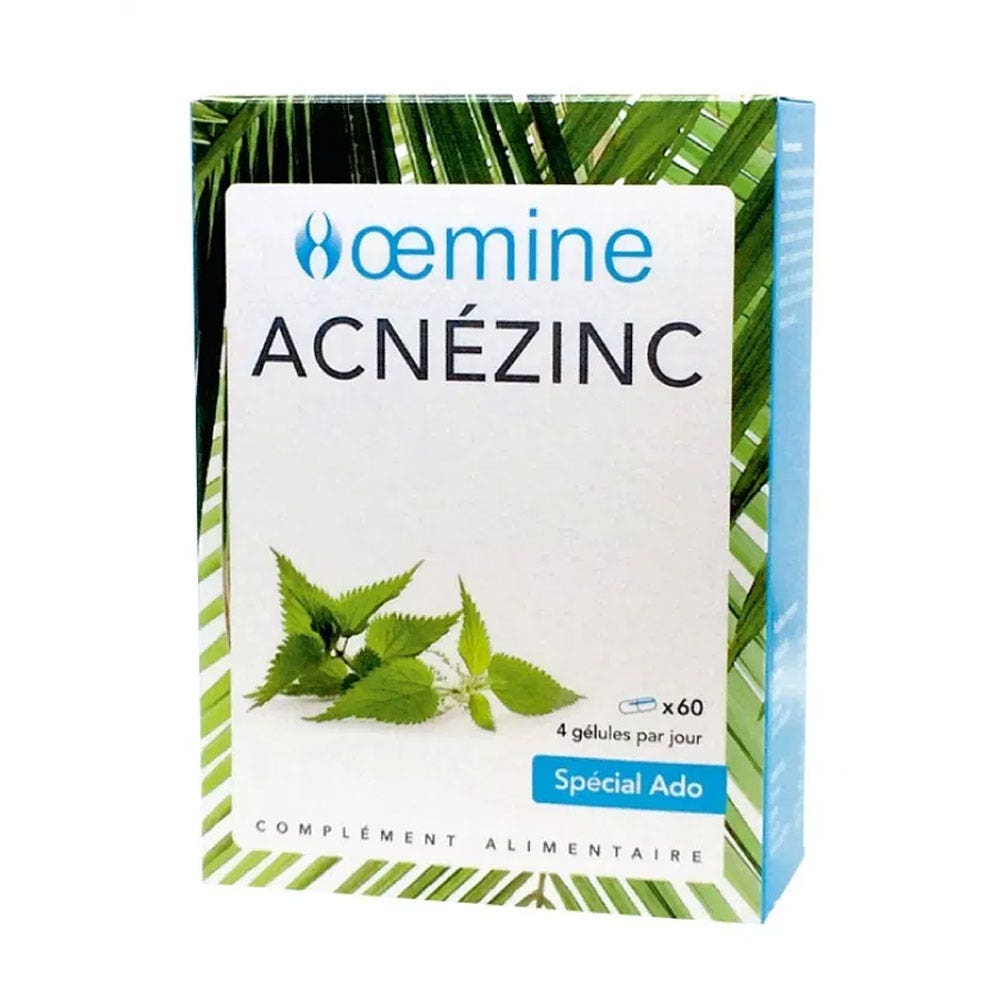
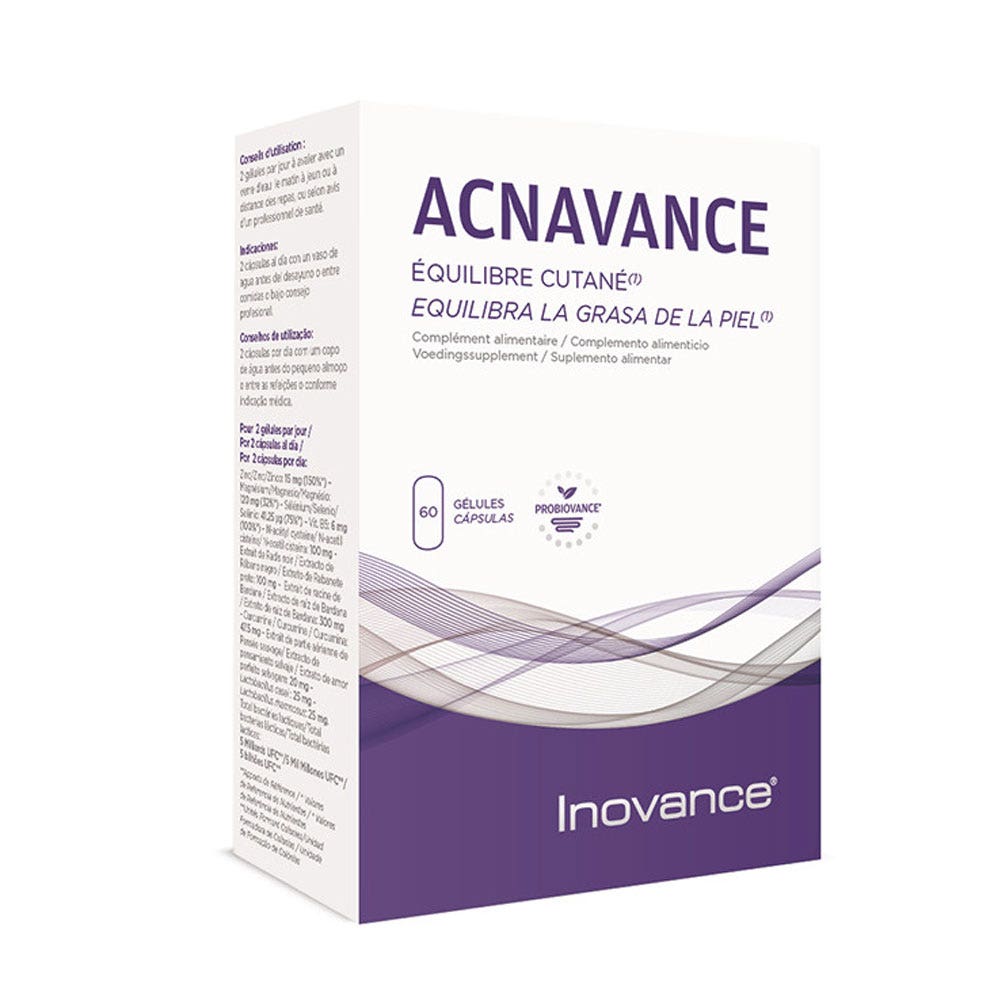
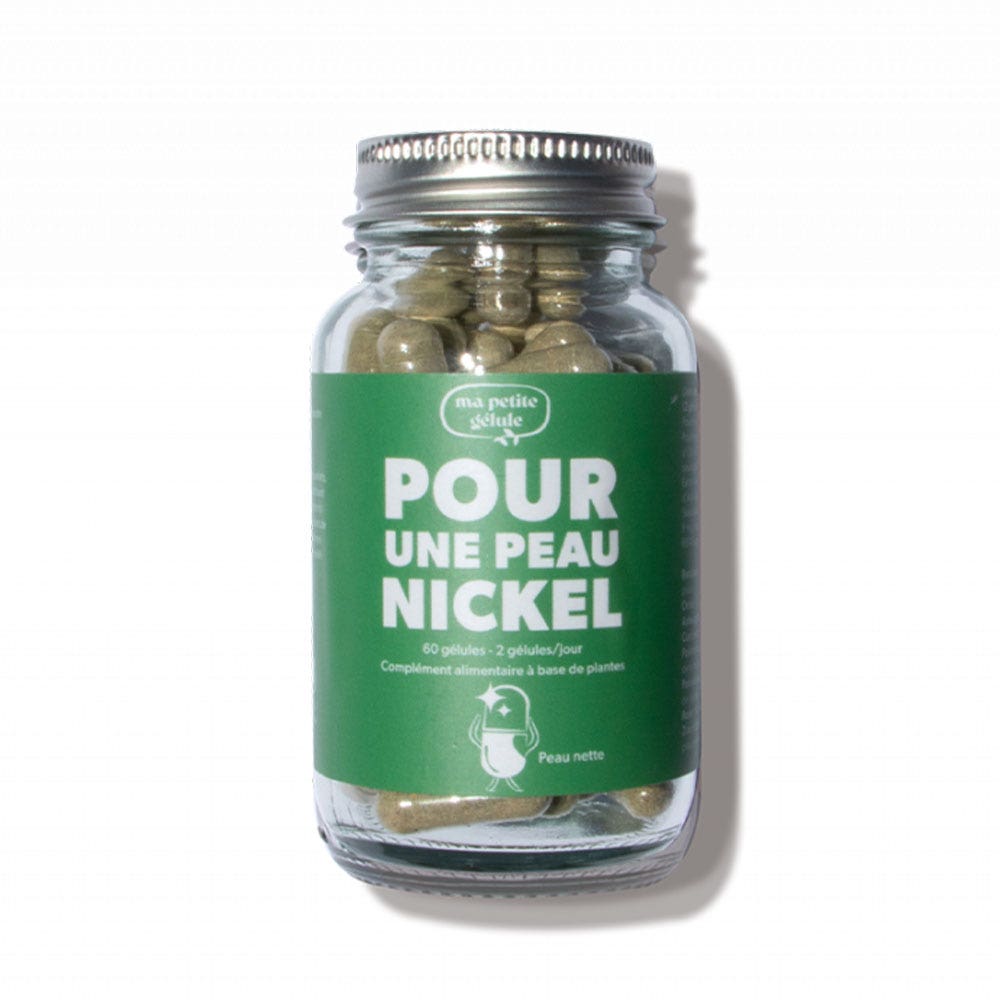
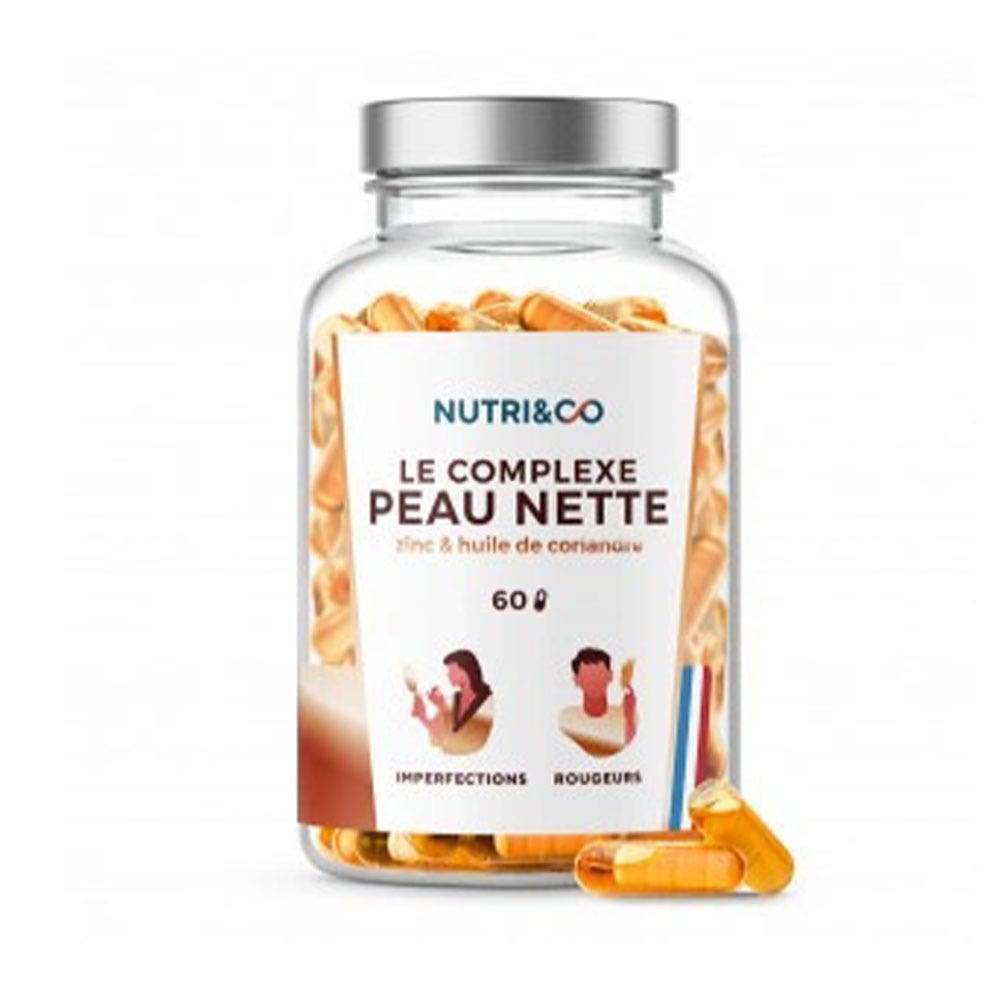
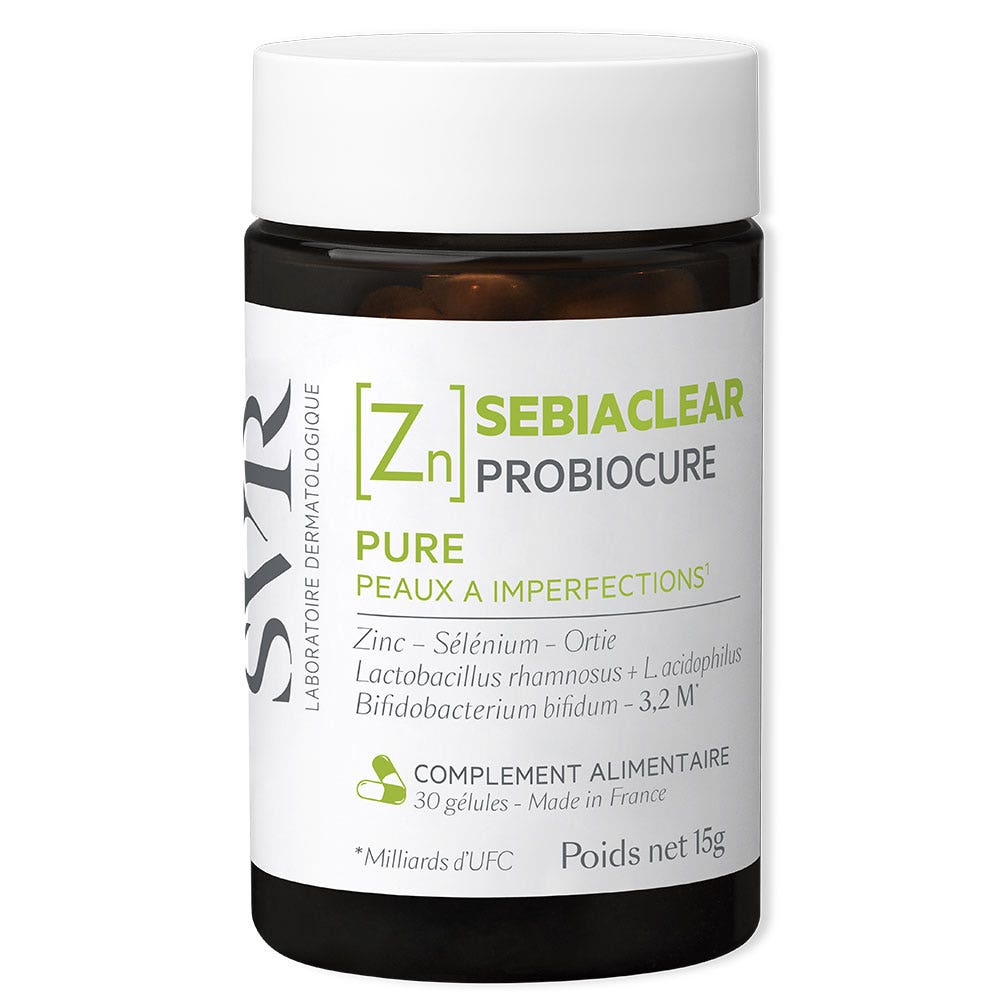
To help reduce acne and prevent new blemishes from appearing, our experts invite you to discover dietary supplements specially designed for oily and blemish-prone skin. Available as tablets, capsules, or sachets, there is an option to suit every preference and need.
To help reduce acne and restore a more radiant complexion, acne supplements should be taken as a course of treatment, alongside a balanced diet, regular physical activity, and a healthy lifestyle.
Dietary supplements for acne come in a variety of formulas to meet different needs. That’s why we offer solutions suitable for teenagers, women, and men. To choose the right supplement for your daily routine, it’s important to select a formula that appeals to you, as well as a format that fits easily into your lifestyle.
The most commonly used ingredients for acne support include zinc, vitamins A, C, and E, omega-3 fatty acids, probiotics, and anti-inflammatory compounds such as curcumin and green tea extract. The most appropriate combination depends on the underlying cause of your acne, whether it’s primarily related to excess sebum production, inflammation, hormonal fluctuations, or gut health.
Yes. Certain probiotic strains may help support both the gut and skin microbiome, which can influence inflammation and the skin’s natural balance. By promoting a healthier microbiome, probiotics may help reduce skin reactivity and support a clearer complexion in some individuals. They are best used as part of a comprehensive acne management plan alongside a consistent skincare routine and healthy lifestyle habits.
Yes. Some acne supplements are specifically formulated for teenagers to support skin health during adolescence, when hormonal changes often contribute to breakouts. It’s important to choose a product that is appropriate for the user’s age and to follow the recommended dosage instructions.
If acne is severe, persistent, or causing scarring, it’s advisable to seek medical advice from a healthcare professional or dermatologist to determine the most appropriate treatment approach.