
Top 5 Best Supplements for Weight Gain


Some people find it just as difficult to gain weight as others do to lose it. If you have a naturally slim build or struggle to develop muscle mass, diet alone may not always be enough to meet your energy needs. With so many products available on the market, identifying the right solution for your metabolism can be a real challenge.
Using specific products can help provide the additional calories needed in a healthy and sustainable way. Whether you are dealing with weight loss following a health issue or aiming for an athletic physical transformation, these solutions can support your nutritional goals. To guide you through this process, our experts have selected products recognized for their effectiveness and safety. Here is our detailed analysis to help optimize your weight gain and achieve a satisfactory body balance with some of the best nutritional supplements currently available.
Key Takeaways
- Weight gain = calorie surplus: you need to consume more calories than you burn.
- Focus on high-quality calories: protein, complex carbohydrates, healthy fats, and micronutrients.
- Supplements can be useful if you have a low appetite or limited time, but they do not replace a balanced diet.
- In cases of malnutrition, illness, or recovery, prioritize medical nutritional products and seek advice from a healthcare professional.
- For healthy weight gain, combine strength training, adequate sleep, and consistency.

How Does Weight Gain Work?
Weight gain is a complex process influenced by many factors, including diet, physical activity levels, and hormones. The body can store excess calories as body fat, which may lead to weight gain. If you consistently consume more calories than you burn each day, your body stores some of this excess energy, which can result in an increase in body weight.
Hormones such as insulin and cortisol also play an important role in weight regulation. Insulin is a hormone produced by the pancreas that helps regulate blood sugar levels. When you consume carbohydrate-rich foods, insulin helps transport glucose into cells, where it can be used as a source of energy.
Understanding the Metabolic Mechanisms of Weight Gain
Excessive carbohydrate intake can lead the body to store excess glucose as body fat. At the same time, cortisol, a hormone associated with stress, can increase feelings of hunger and food intake, potentially contributing to weight gain.
Physical activity levels also affect weight balance. Burning more calories than you consume can lead the body to use its energy reserves, resulting in weight loss. Conversely, a sedentary lifestyle reduces energy expenditure, making it easier for excess calories to be stored as fat.
Achieving muscle mass gain, particularly after a cutting phase, can be challenging. Eating to gain weight requires a structured approach, especially when exercising regularly. To maintain a stable weight, focus on a balanced diet, regular physical activity, and effective stress management.
The Key Pillars of an Optimized Nutrition Strategy
To support an increase in body mass, nutritional intake should be structured around nutrient density. Rather than simply increasing the amount of food consumed, the key is to prioritize calorie-dense foods that do not take up too much space in the stomach. Unsaturated fats, such as those found in avocados and vegetable oils, can help increase daily calorie intake without immediately causing a feeling of heaviness. This approach helps maintain digestive comfort while providing the energy needed for tissue repair and growth.
Hydration is another important factor that is often overlooked in this process. Drinking enough water supports normal metabolic functions and helps with the absorption of nutrients from food and supplements. Maintaining adequate hydration also supports the body’s ability to process proteins and complex carbohydrates efficiently.
Gaining Weight: What Nutrients and Foods Do You Need?
If you are looking for a healthy and effective way to gain weight, it is important to understand which nutrients and foods your body needs to reach your goal. First, you will need to consume more calories than you burn each day. To do this, focus on nutrient-dense foods rather than foods that are high in calories but low in nutritional value.
Protein is a crucial part of any diet designed to support weight gain. It is essential for building and repairing muscle tissue, which is particularly important if you are looking to increase your muscle mass. Healthy, nutritious sources of protein include chicken, fish, legumes, nuts, and seeds.
Healthy fats, including omega fatty acids, are also useful for increasing your calorie intake. Monounsaturated and polyunsaturated fats are particularly beneficial as part of a balanced diet. Sources of healthy fats include avocados, nuts, seeds, olive oil, and oily fish such as salmon. Finally, do not forget complex carbohydrates, including whole grains, fruits, and vegetables, which provide energy to support your daily activities and workouts.
In summary, if you want to gain weight in a healthy and sustainable way, aim for a balanced and varied diet rich in protein, healthy fats, and complex carbohydrates. Combined with regular exercise and a healthy lifestyle,
What Are the Different Ways to Gain Weight?
Gaining weight can be a real challenge for some people. To gain weight in a healthy way, it is essential to find an approach that suits your body and lifestyle. One of the first things to consider is consuming enough calories. You can increase your calorie intake by eating nutrient-dense foods such as meat, nuts, fruits, and vegetables. Protein supplements can also be an option to help you reach your weight goals.
In addition to an appropriate diet, physical exercise can play an important role in healthy weight gain. Strength-training exercises, such as weightlifting and resistance-band exercises, can help build muscle mass. Regular physical activity can also support overall health and, for some people, may help stimulate appetite. Do not forget the importance of omega-3 and omega-6 fatty acids, which can be included as part of a balanced, nutrient-rich diet.
Finally, gaining weight can be a slow and challenging process, particularly if your goal is to increase overall body mass while building strength and power for sports. Patience and consistency are essential: maintain a balanced diet with adequate protein, exercise regularly, and include sufficient rest periods to support physical recovery. If you are struggling to gain weight, consider consulting a healthcare professional or registered dietitian who can recommend solutions tailored to your individual needs.
How to Choose the Right Supplements for Weight Gain
Calorie Intake at the Heart of the Process
To gain weight, the body needs a consistent energy surplus each day. If your meals do not cover your basal metabolic needs and physical activity, gaining weight can be difficult. Supplements provide a convenient way to add calories without having to consume excessively large portions of food.
This strategy can help maintain a high energy intake throughout the day. Adding liquid nutritional products or calorie-dense supplements between main meals can make it easier to achieve a calorie surplus without consuming large amounts of food at once. This may be particularly useful for people with high energy needs or busy schedules that make frequent meals difficult.
Carbohydrates or Protein: Which Should You Choose?
Carbohydrates are an important source of energy for the body and physical activity. They help replenish glycogen stores and provide fuel for exercise. Protein, meanwhile, provides amino acids needed to maintain and build muscle tissue, particularly alongside strength training. Choosing a balanced product can help support the body in meeting daily nutritional needs and promote healthy mass gain.
The balance between these two nutrients depends on your goals, diet, and activity level. A carbohydrate-rich mass gainer may be suitable for people who struggle to consume enough calories, while a higher-protein formula may be more appropriate for those primarily looking to support muscle growth and maintenance. Protein contributes to the maintenance and growth of muscle mass.
Supporting Appetite Naturally
Some plants, such as fenugreek, have traditionally been used in products intended to support appetite. However, their effects can vary from person to person, and they should not replace a sufficiently calorie- and nutrient-rich diet.
For people with a low appetite, strategies such as eating smaller, more frequent meals and choosing energy-dense foods may make it easier to increase daily calorie intake. Supplements can complement this approach when necessary and help maintain nutritional balance while working toward healthy weight-gain goals.
The Best Supplements for Weight Gain
| Product | Composition | Benefits | Who is it for? | Strengths / Weaknesses |
|---|---|---|---|---|
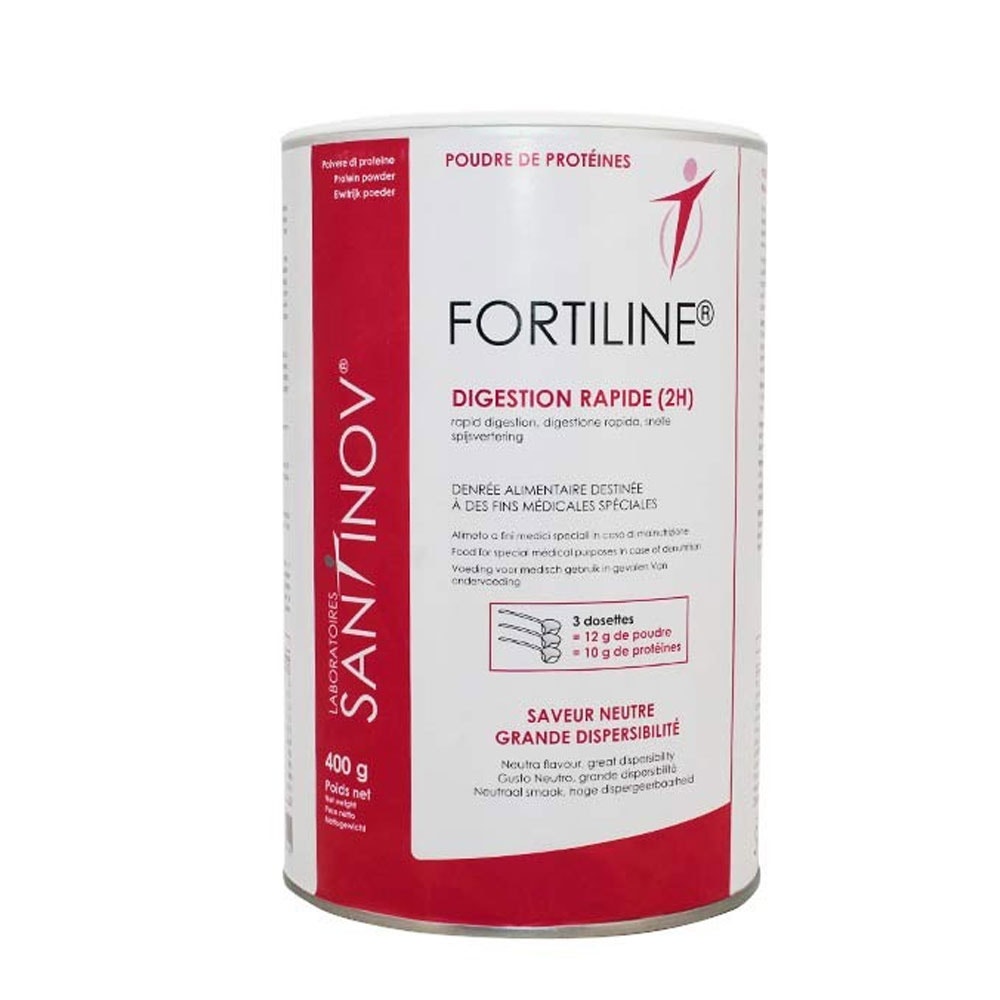
| Fortiline Powder (Santinov) | High-quality whey protein, with no added flavoring or sweeteners. | Helps maintain protein intake without altering the taste of everyday foods. | Seniors, people recovering from illness, or those with a very low appetite. | Strengths: Highly soluble and neutral in taste. Weaknesses: Animal-derived. |
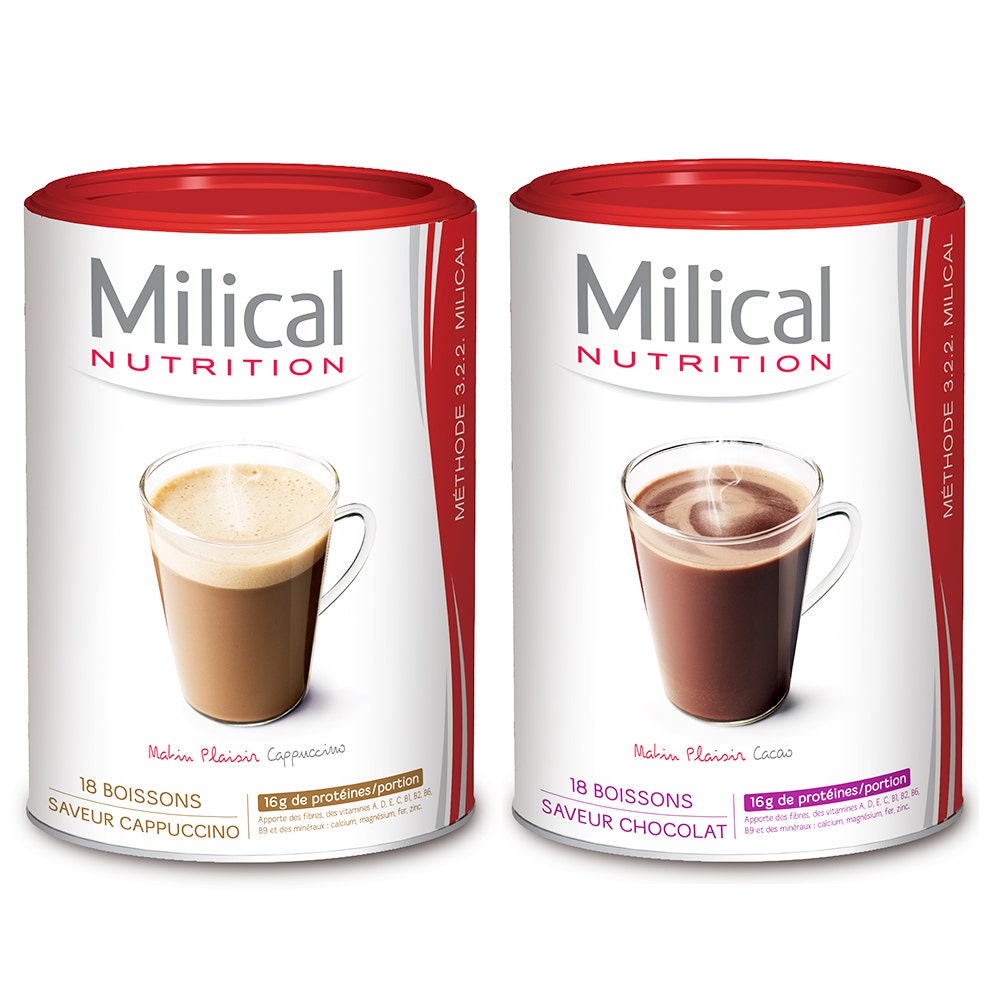
| Milical Drink | Milk protein blend enriched with vitamins and minerals. | Provides essential nutrients in an easy-to-consume liquid format. | Active people looking for a quick, nutrient-rich snack. | Strengths: Ready to drink. Weaknesses: Contains lactose. |
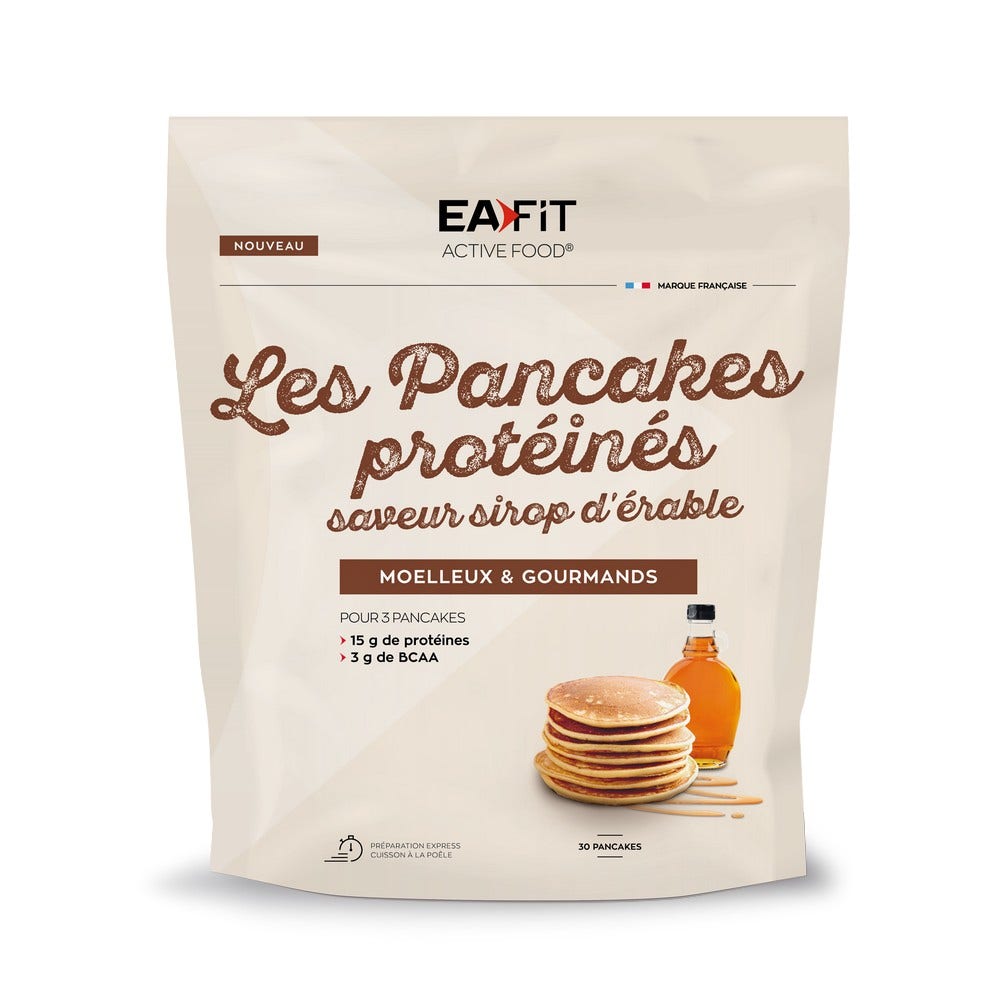
| Protein Pancakes (EA Pharma) | Protein- and cereal-based preparation providing additional calories. | Provides an enjoyable snack that helps increase daily nutritional intake. | Athletes and anyone looking to increase their intake at breakfast. | Strengths: Filling and convenient. Weaknesses: Requires preparation. |
| STC Vegan Bars | 100% plant-based protein from peas and rice. | Provides protein from alternative plant-based sources to support muscle maintenance. | Vegans, vegetarians, or people avoiding dairy products. | Strengths: Convenient and easy to carry. Weaknesses: Denser texture. |
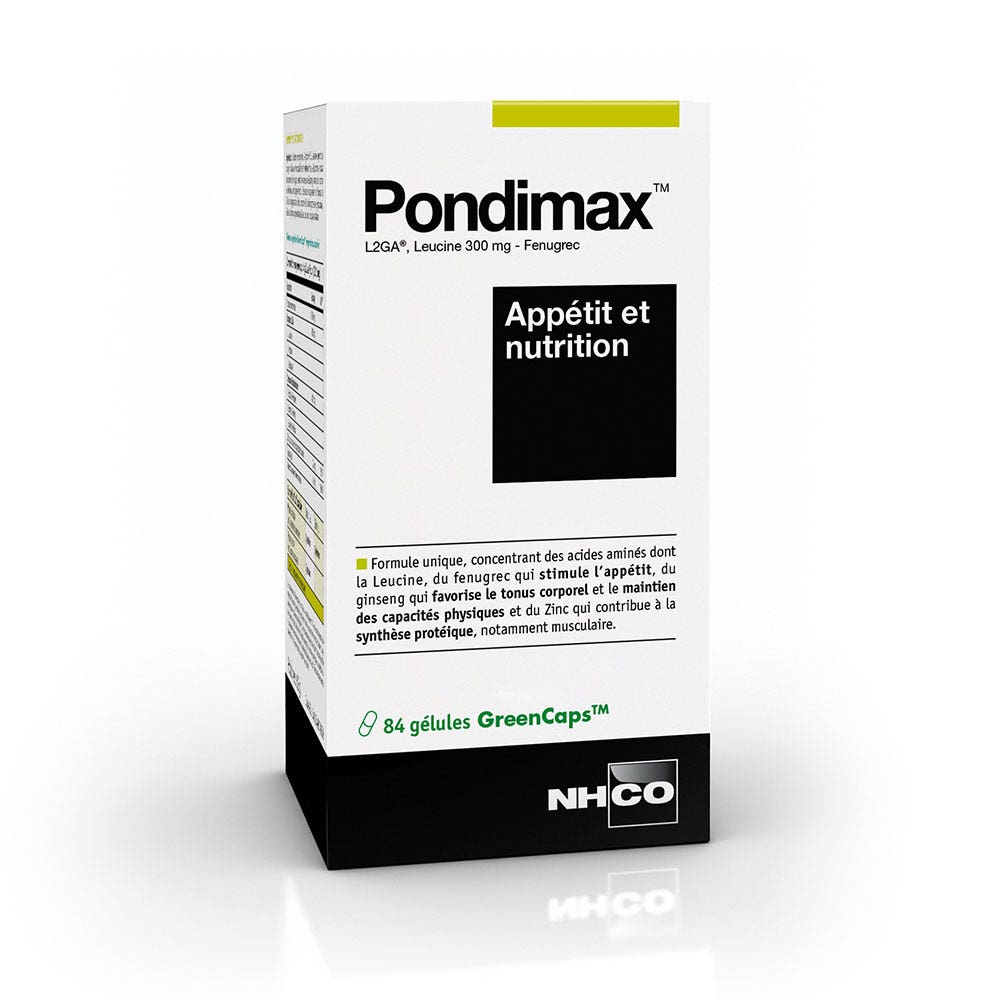
| Pondimax (NHCO) | Complex containing fenugreek, creatine, and amino acids. | Supports nutritional intake and is formulated for people looking to increase their food intake. | People who find it difficult to consume larger quantities of food. | Strengths: Comprehensive formula. Weaknesses: Designed to be taken as a course over several weeks. |
Discover Our Best Dietary Supplements

Optimizing Your Lifestyle to Support Weight Gain
Gaining weight in a healthy way requires an approach that goes beyond simply consuming extra calories. To support the development of muscle mass rather than primarily increasing body fat, nutrient quality is an important factor. Prioritize nutrient-dense foods such as nuts and seeds, avocados, and whole-grain carbohydrate sources.
Contrary to common misconceptions, physical activity should not be neglected. Resistance training, such as strength training, helps stimulate muscle protein synthesis and supports long-term muscle development. According to ANSES, protein requirements can vary depending on physical activity levels, while adequate hydration remains an important part of a balanced lifestyle.
Rest also plays an important role in physical recovery. During sleep, the body carries out many processes involved in tissue recovery and regeneration. Insufficient sleep can affect hormonal balance, recovery, and overall physical performance.
Finally, eating regularly can make it easier to maintain a positive energy balance without consuming overly large meals. Dividing your daily food intake into five or six smaller meals and snacks may help increase calorie and nutrient intake while reducing feelings of heaviness after eating.
The Influence of Rest and Recovery on Growth
The weight-gain process is not limited to what you consume; it also depends on how your body uses these resources during periods of rest. Sleep promotes relaxation and supports proper recovery, which is essential for repairing muscle fibers after physical activity. During sleep, several hormonal and metabolic processes contribute to tissue repair and help support the progress achieved through nutrition and exercise.
Proper rest management can also help regulate cortisol, a stress hormone that can affect recovery and protein metabolism. By adopting a structured recovery routine, you can support your immune system and contribute to normal metabolic function. Combined with an appropriate diet and training program, adequate rest helps the body make effective use of the additional calories and nutrients provided by foods or supplements such as mass gainers and whey protein.
The Role of Fats in Calorie Density
Often overlooked in favor of protein, fats are actually the most concentrated source of energy for the body. Incorporating high-quality fats into your diet can significantly increase your total calorie intake without substantially increasing meal volume. Sources of fatty acids, such as omega-3s and cold-pressed vegetable oils, also contribute to normal physiological functions and can form part of a balanced diet during a weight-gain program.
These nutrients also play an important role in the normal structure and function of cells. Choosing healthy sources of fat can help increase energy intake while supporting overall health. Adding nut butters, vegetable oils, oily fish, or other sources of unsaturated fats to your diet can also support the absorption of fat-soluble vitamins, including vitamins A, D, E, and K.
The Psychological Dimension of Physical Transformation
Gaining weight successfully can require just as much consistency and mental commitment as losing weight. Challenges are common, particularly when feelings of fullness occur quickly. Learning to listen to your body while gradually increasing your food intake requires a progressive and sustainable approach. Stress management can also be important, as prolonged stress may affect appetite, sleep, recovery, and eating habits.
Prioritizing relaxation and getting adequate rest can support overall well-being and physical recovery. Maintaining a positive, long-term perspective can also make it easier to navigate periods when progress slows. By staying consistent with your nutrition, supplements when appropriate, exercise, and lifestyle habits, you can create an environment that supports your physical goals. Patience and consistency are key to achieving healthy, sustainable changes in body weight and composition.
FAQ – Answers to Your Questions
An excessive calorie surplus can lead to increased body fat. It is generally preferable to aim for gradual weight gain to better support muscle development and a balanced body composition.
Sustainable progress is generally observed over a period of 8 to 12 weeks, depending on your metabolism, calorie intake, activity level, and individual goals.
Yes, particularly during recovery or convalescence. However, physical activity, especially resistance training, can help support muscle development, while a calorie surplus without sufficient activity may be more likely to contribute to fat gain.
It is often recommended to take a mass gainer as a snack between meals or after a workout to support recovery.
Yes, it is possible to combine fenugreek to support appetite with a protein supplement to support muscle growth, provided that you take into account your overall daily calorie and nutrient needs.