Top 5 Best Paraben-Free Shampoos

Choosing a healthier haircare routine has become a priority for many consumers. As concerns about scalp sensitivity grow and more people look for environmentally friendly beauty products, switching to a paraben-free and sulfate-free shampoo is a natural choice. Sulfates, commonly listed as Sodium Lauryl Sulfate (SLS) or Sodium Laureth Sulfate (SLES), are powerful cleansing agents that can gradually weaken the scalp’s natural protective barrier. Parabens, on the other hand, are preservatives that have raised concerns regarding their potential effects on hormonal balance.
Choosing a “clean” formula doesn’t mean compromising on performance. Modern dermo-cosmetic brands have developed sophisticated alternatives using gentle cleansing agents derived from coconut or sugar, such as Coco-Glucoside and Decyl Glucoside. These mild surfactants effectively cleanse the hair without stripping away its natural moisture, helping to preserve hydration, shine, and color vibrancy. While it may take a little time to adjust to a shampoo that produces less foam and feels different during application, the long-term benefits for scalp health, softness, and hair radiance make the transition worthwhile.
Key Takeaways:
- Sulfates are powerful cleansing agents that can weaken the hair fiber and irritate the scalp.
- Paraben-free formulas provide effective preservation without using preservatives that have raised concerns about potential endocrine disruption.
- These shampoos are ideal for helping to extend the life of hair color and smoothing treatments.
- A short transition period of a few washes is often needed for your hair and scalp to adjust to gentler cleansing formulas.
- Choose shampoos with naturally derived surfactants to cleanse effectively while preserving the scalp’s natural protective barrier.
Why Remove Sulfates and Parabens from Your Haircare Routine?
Why Remove Sulfates and Parabens from Your Haircare Routine?
Understanding the impact of cosmetic ingredients is the first step toward healthier hair. Sulfates are primarily designed to dissolve oils and dirt. While they are highly effective cleansers, they can also be too harsh for the scalp’s natural balance. By stripping away too much sebum, they may trigger a “rebound effect”: the sebaceous glands respond by producing even more oil to compensate, leading to greasy roots and the need for more frequent washing.
Protecting the Scalp Microbiome
Like the skin on your face, your scalp is home to a complex microbiome that helps defend against external aggressors. Repeated use of harsh cleansing agents can disrupt this delicate ecosystem, increasing the risk of itching, dandruff, and scalp discomfort. According to epidemiological data cited by the French Society of Dermatology, nearly 40% of people report having a sensitive or reactive scalp. Switching to gentle cleansing formulas helps support the scalp’s natural protective barrier and promotes long-lasting comfort.
Protecting the Hair Fiber and Hair Color
For color-treated, highlighted, or keratin-treated hair, choosing a sulfate-free shampoo is especially important. Sulfates tend to lift the hair cuticle, allowing color pigments to fade more quickly and reducing the longevity of smoothing treatments by gradually washing away the keratin. A gentle shampoo helps preserve vibrant color, maintain smoother hair for longer, and maximize the benefits of professional salon treatments.
How to Successfully Transition to Natural Haircare
How to Successfully Transition to Natural Haircare
It’s completely normal to notice changes during your first few washes with a natural shampoo. Because these formulas are typically free from both sulfates and silicones, your hair may look and feel different as it adjusts.
The Hair Detox Phase
During the first few weeks, your hair may feel rougher, appear less shiny, or become more difficult to detangle. This is a normal part of the transition as the hair fiber gradually sheds the buildup left behind by conventional products. This adjustment period usually lasts between two and four weeks. It’s important not to give up too soon. Using a hydrating conditioner or a nourishing hair mask can help restore softness and make detangling easier without weighing the hair down.
Adjust Your Washing Technique
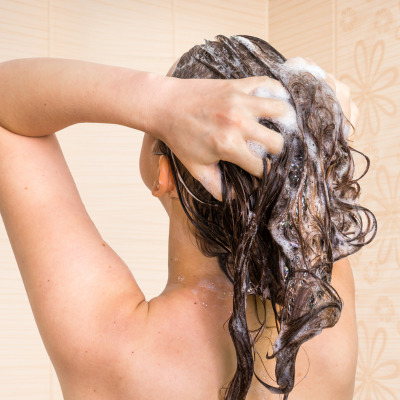
Since sulfate-free shampoos produce less foam, it’s common to use more product than necessary. Instead, thoroughly wet your hair, apply a small amount of shampoo directly to the scalp, then add a little water to create a gentle lather. Massage the scalp with your fingertips using light circular motions to lift away impurities. Avoid scrubbing the lengths, as they will be cleansed naturally when the lather runs through them during rinsing.
Organic Sulfate-Free Shampoo: How Does It Compare to a Traditional Shampoo?
Choosing the right shampoo can be challenging, especially with the wide range of formulas available today. Organic sulfate-free shampoos are becoming increasingly popular, but how do they really differ from traditional shampoos?
To begin with, it’s important to understand what sulfates are. Sulfates are cleansing agents commonly found in conventional shampoos. Their main purpose is to create a rich lather that leaves hair feeling clean and refreshed. However, certain sulfates—particularly Sodium Laureth Sulfate (SLES) and Sodium Lauryl Sulfate (SLS)—can be harsh on both the scalp and the hair.
The biggest advantage of an organic sulfate-free shampoo is that it avoids these aggressive cleansing agents. Instead, it typically relies on naturally derived surfactants, often sourced from coconut, sugar, or plant-based ingredients, to cleanse the hair gently without stripping away its natural oils. As a result, these shampoos are kinder to the scalp and may help reduce itching, irritation, and sensitivity.
They are particularly well suited to people with sensitive scalps, as well as those with dry, damaged, or brittle hair. By preserving the hair’s natural moisture barrier, sulfate-free formulas can leave hair feeling softer and healthier. Many also contain nourishing ingredients such as shea butter, argan oil, and aloe vera, which help moisturize, repair, and protect the hair fiber.
Another major advantage of organic sulfate-free shampoos is their lower environmental impact. They are often made with naturally derived, biodegradable ingredients, making them a more eco-friendly alternative to conventional shampoos, which may contain silicones and other synthetic substances that are less environmentally friendly.
However, it’s important to remember that not all organic shampoos are sulfate-free. Always check the ingredient list or look for certified organic products if avoiding sulfates is a priority. Likewise, while sulfate-free shampoos offer many benefits, they may not be ideal for every hair type. For example, people with very fine or oily hair may prefer a lighter formula that cleanses effectively without weighing the hair down.
Ultimately, the main difference between an organic sulfate-free shampoo and a traditional shampoo lies in their ingredients and cleansing action. Sulfate-free formulas provide a gentler approach to hair care while often being more environmentally conscious. They are especially beneficial for sensitive scalps and dry or damaged hair, but the best shampoo is always the one that matches your individual hair type and specific needs.
Why Doesn't My Shampoo Lather? (And Why That's Actually a Good Thing)
It’s one of the most common haircare myths: “If it doesn’t lather, it doesn’t clean.” In reality, that’s simply not true. The rich foam produced by many conventional shampoos is largely created by sulfates to give the impression of a deeper cleanse. Natural shampoos rely on gentle surfactants that cleanse just as effectively by lifting away excess oil and impurities without disrupting the scalp’s natural balance.
Pro tip: If your shampoo doesn’t seem to lather enough, don’t add more product add a little more water. Water helps activate gentle cleansing agents, allowing them to spread more easily and clean the hair effectively.
The Best Sulfate-Free, Paraben-Free Shampoos
What Are Sulfates in Shampoo?
Sulfates are cleansing agents commonly used in many haircare products, including conventional shampoos. Their primary role is to create a rich lather that leaves hair feeling clean and refreshed. However, certain sulfates—particularly Sodium Laureth Sulfate (SLES) and Sodium Lauryl Sulfate (SLS)—can be harsh on both the scalp and the hair.
Organic Sulfate-Free Shampoo: A Gentler Formula
The main advantage of an organic sulfate-free shampoo is that it avoids these aggressive cleansing agents. Instead, these formulas typically use naturally derived surfactants, often sourced from coconut, sugar, or plant-based ingredients, to cleanse the hair gently without stripping away its natural oils. As a result, the scalp is less stressed, helping to reduce the risk of itching, irritation, and allergic reactions.
Who Should Use an Organic Sulfate-Free Shampoo?
Organic sulfate-free shampoos are especially suitable for people with:
- Sensitive scalps prone to itching and irritation.
- Dry, brittle, or damaged hair, as these shampoos help preserve the natural oils essential for healthy hair.
- Color-treated hair, helping to maintain vibrant color for longer.
Many sulfate-free shampoos also contain nourishing ingredients such as shea butter, argan oil, and aloe vera, which help moisturize, repair, and protect the hair fiber.
A Lower Environmental Impact
Organic sulfate-free shampoos are often formulated with naturally derived, biodegradable ingredients, making them a more environmentally friendly alternative to conventional shampoos, which may contain silicones and other synthetic substances that are less eco-friendly.
Things to Keep in Mind
Not all organic shampoos are necessarily sulfate-free. Always read the ingredient list carefully and choose certified organic products if avoiding sulfates is important to you. Although sulfate-free shampoos offer many benefits, they may not be suitable for every hair type. People with fine or oily hair, for example, may prefer a lighter formula that cleanses effectively without weighing the hair down or making it feel greasy more quickly.
Comparatif des 5 meilleurs shampoings clean
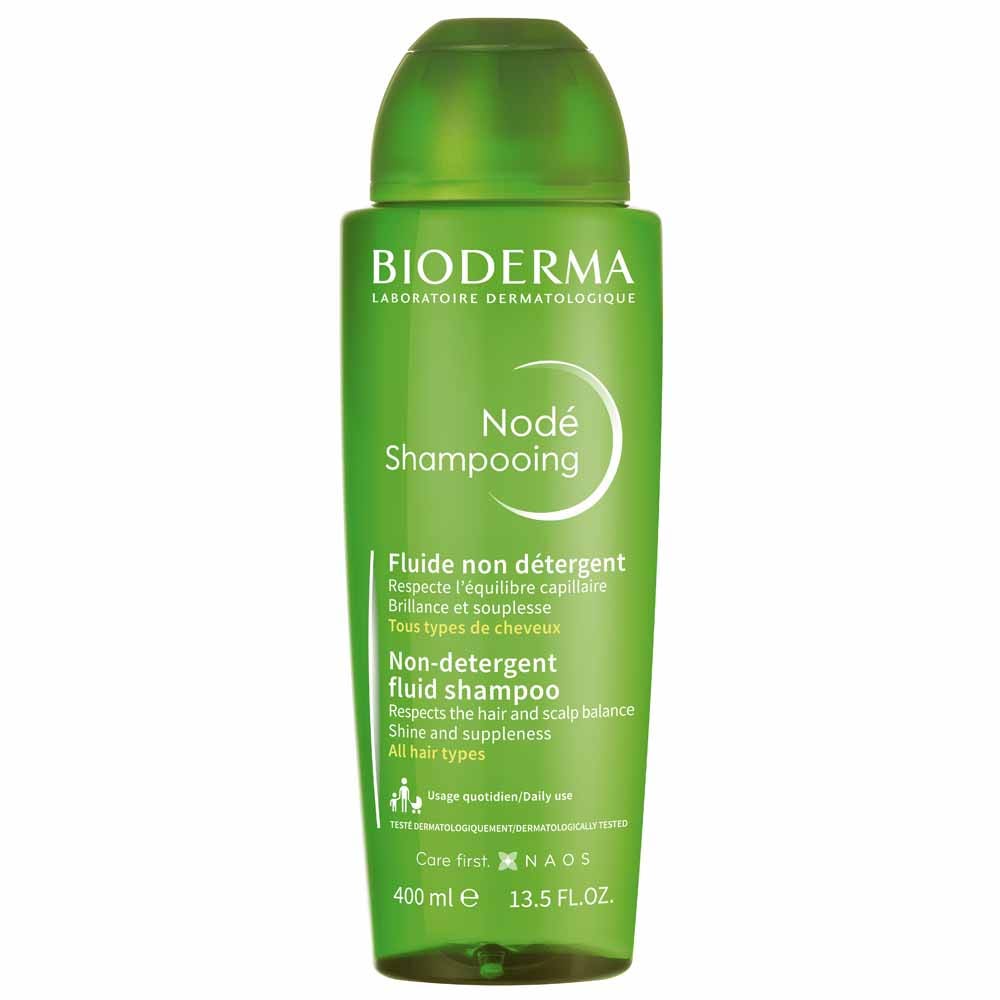
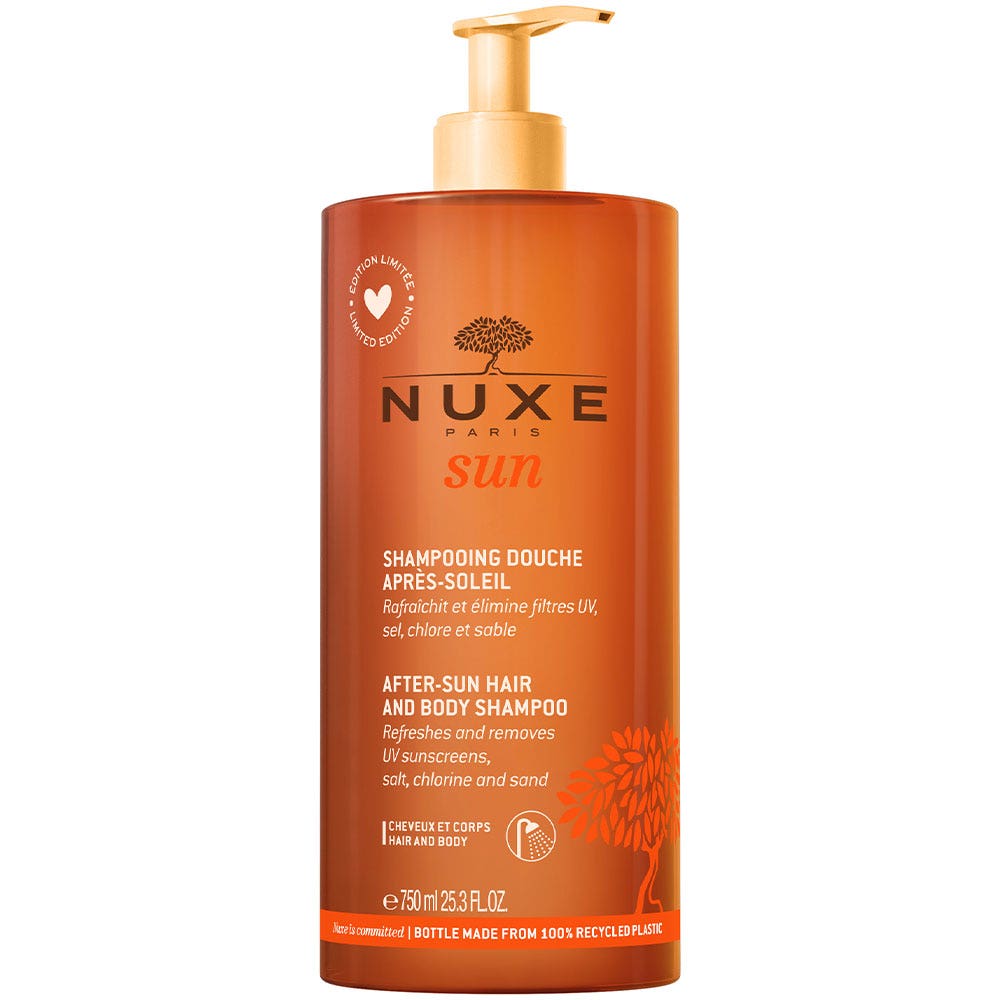
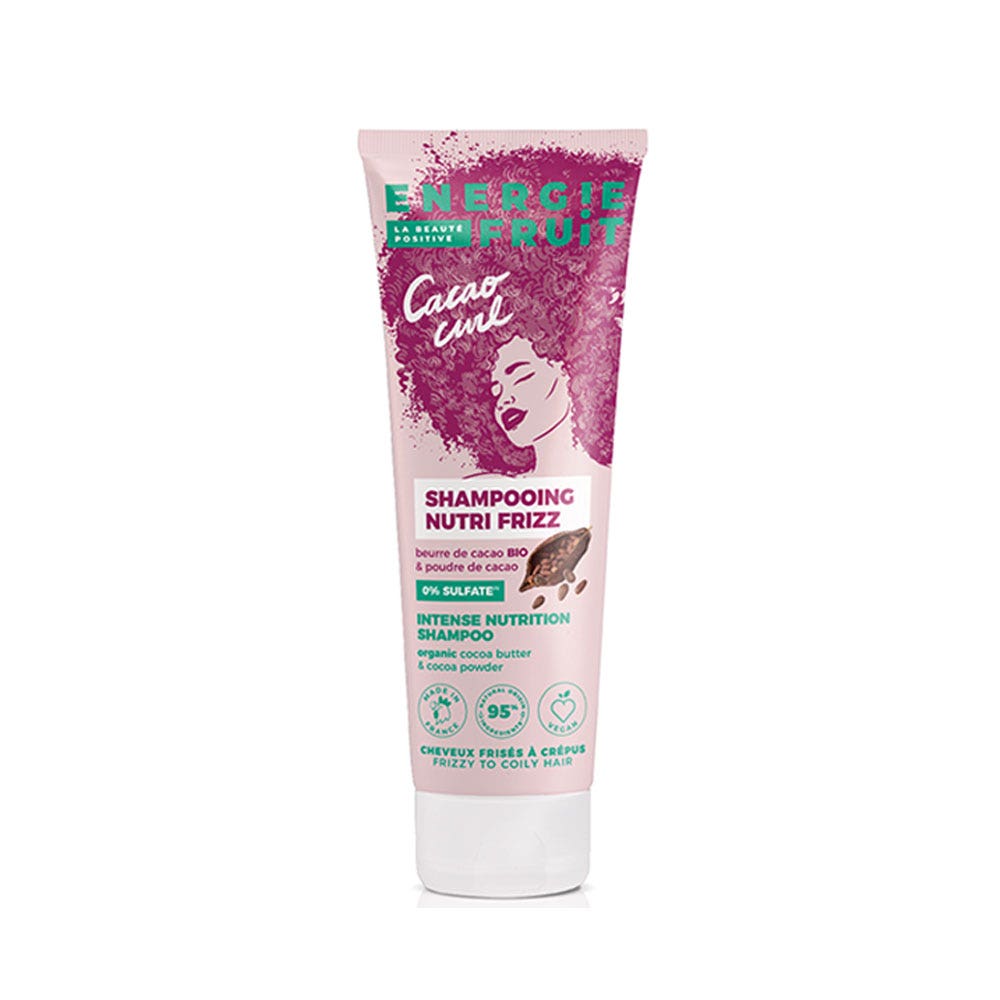
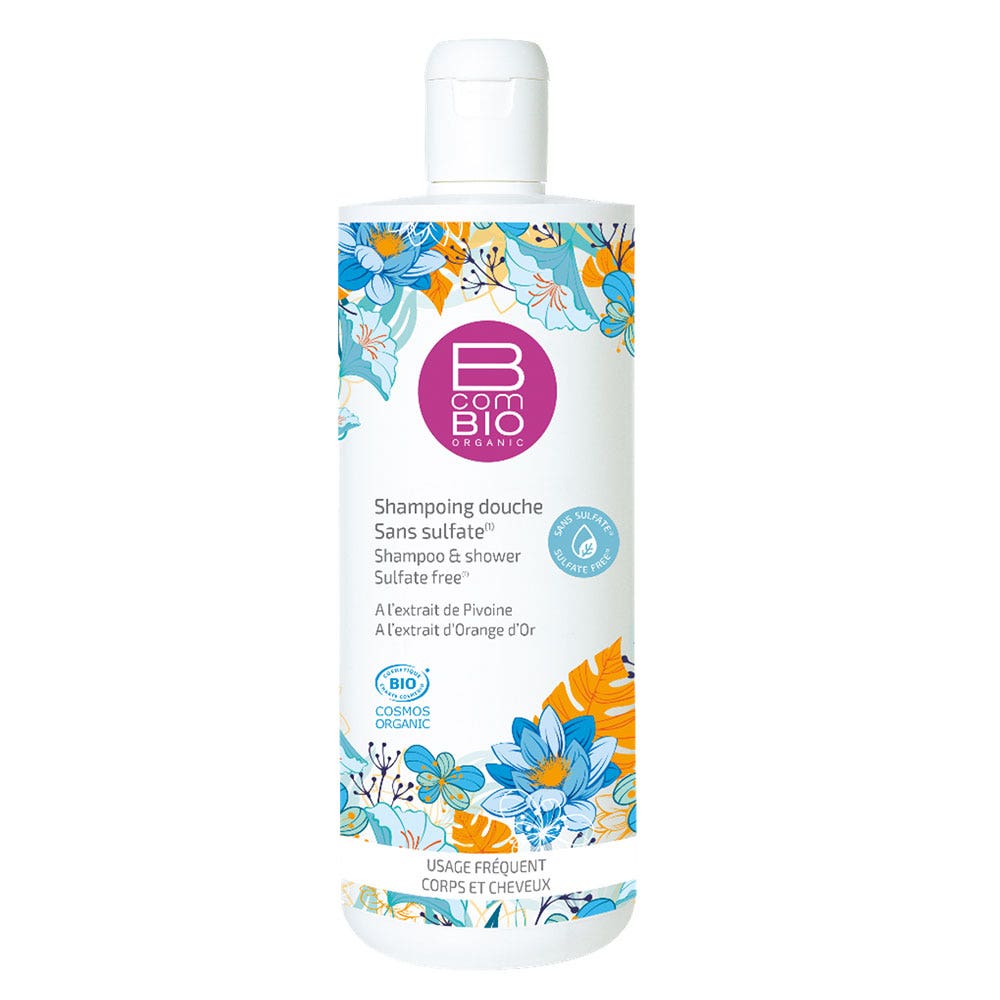
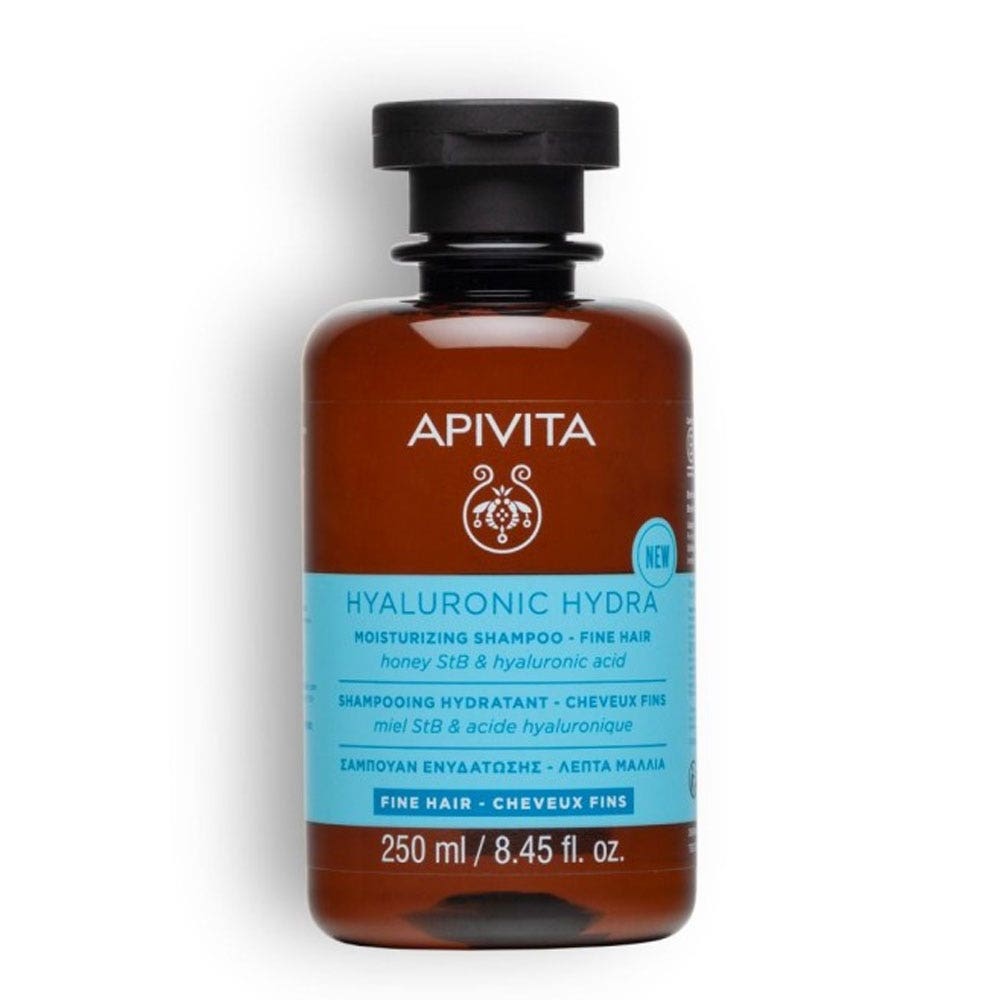
| Product | Key Ingredients | Benefits | Best For | Pros / Cons |
|---|---|---|---|---|
| Bioderma Nodé Fluide | Non-detergent cleansing base (NOn-DEtergence), antistatic agents | Gently cleanses without stripping the scalp’s natural protective barrier | The whole family, frequent use, alternating with medicated shampoos | + Extremely gentle formula
– Very fluid texture |
| Energie Fruit Nutri-Intense | Organic cocoa powder and cocoa butter, sulfate-free | Deeply nourishes and enhances curls | Curly and coily hair | + Vegan formula with a delicious fragrance
– May weigh down fine hair |
| Nuxe Sun After-Sun Hair & Body Shampoo | Water and sun flowers, biodegradable cleansing base | Removes UV filters, salt, chlorine, and sand | After the beach or pool, for both hair and body | + Addictive fragrance & convenient 2-in-1 formula
– Best suited to summer use |
| BcomBIO Hair & Body Shampoo | Poppy extract, soap-free cleansing base | Softens the skin and leaves hair shiny | Daily use, sensitive skin | + Practical family-size bottle
– Produces less lather |
| Apivita Hyaluronic Hydra | Hydrolyzed hyaluronic acid, aloe vera, thyme honey | Deeply hydrates without weighing the hair down | Dehydrated, fine, or dull hair | + Instant plumping effect
– Standard 250 ml size |
FAQ - Les réponses à vos questions
- Yes. Gentle surfactants effectively remove dirt, product buildup, and excess oil without stripping the hair or scalp.
- The main difference is sensory: sulfate-free shampoos produce less lather, which can make them seem less effective, even though they cleanse just as well.
- Your hair will still feel clean, fresh, and healthy after washing.
- Yes. Sulfate-free shampoos are suitable for oily hair when you choose a lightweight formula designed for your hair type.
- Because they cleanse gently without overstimulating the scalp, they may help reduce the rebound effect that causes excess oil production.
- If you have very oily hair, look for a balancing or purifying sulfate-free shampoo with lightweight ingredients.
- Yes. Sulfate-free, paraben-free shampoos are highly recommended after Brazilian keratin or tannin smoothing treatments.
- Gentle formulas help preserve the keratin and active ingredients deposited during the treatment, extending its results.
- Using a sulfate-free shampoo can help keep your hair smoother, softer, and frizz-free for longer.