
Top 5 Best Dietary Supplements for Seniors


As you age, your body undergoes a number of natural changes. In addition to affecting how you look and feel, the aging process also changes your nutritional needs. Fortunately, dietary supplements can help increase your intake of essential nutrients, support healthy aging, and promote overall well-being. Our team is here to help you choose the best dietary supplements for older adults!
Dietary Supplements for Seniors: Key Takeaways
- As we age, nutritional needs change.
- The body’s ability to absorb vitamins and minerals becomes less efficient.
- Certain nutrients are essential for maintaining bone health, memory, immune function, and muscle strength.
- Dietary supplements should not replace a balanced and varied diet.
- It is recommended to seek medical advice before starting any long-term supplementation.
Benefits of Dietary Supplements for Seniors
First and foremost, the best way for older adults to maintain good health is to eat a balanced diet and stay physically active. Regular exercise helps strengthen the body and reduce the risk of conditions such as high blood pressure and excess weight.
Why Older Adults May Benefit from Dietary Supplements
- Loss of appetite, which is common among older adults.
- The body becomes less efficient at absorbing essential nutrients from food.
- Bones naturally become more fragile with age.
- Certain diseases and medical conditions may interfere with nutrient absorption.
- Some medications may reduce nutrient absorption or increase nutrient loss.
- Older adults may cook less often, and ready-made meals may not provide sufficient vitamins and nutrients.
- Reduced exposure to sunlight may lead to lower vitamin D levels.
- Some healthy, vitamin-rich foods may become more difficult to chew or digest.
Dietary Supplements for Seniors May Help Support:
Dietary supplements for seniors may help support:
- An increased risk of osteoporosis, fractures, and falls: This is why women over the age of 50 and men over the age of 70 have higher calcium requirements. Calcium is an essential nutrient that helps build and maintain strong bones and teeth.
- Benign Prostatic Hyperplasia (BPH): A common condition in older men that may cause urinary symptoms such as difficulty urinating. Certain dietary supplements may help support prostate health.
- Menopause: Menopause can cause a range of symptoms, including hot flashes, vaginal dryness, night sweats, and mood changes. Appropriate dietary supplements may help relieve some menopausal symptoms.
- Brain health: As we age, the brain naturally changes, and conditions such as dementia, Alzheimer’s disease, and Parkinson’s disease become more common. There are memory support supplements for seniors that may help maintain cognitive function.
- Collagen production: Collagen is a protein found throughout the body’s connective tissues, including the skin, joints, and bones. Natural collagen production declines with age.
- Loss of muscle mass: While it is possible to meet protein needs through food alone, protein supplements can provide a convenient way to increase daily protein intake.
- Changes in nutritional requirements: A balanced multivitamin containing essential vitamins and minerals can help fill dietary gaps. These may include vitamin D, probiotics, B vitamins, zinc, magnesium, and omega-3 fatty acids.
Vitamin Intake, Immune Support, Memory: Dietary Supplements Tailored to Every Need
Dietary supplements are products designed to provide nutrients that may be lacking in the diet or to help support overall health and reduce the risk of certain age-related conditions, such as osteoporosis or arthritis. They are available in various forms, including tablets, capsules, powders, softgels, extracts, and liquids. Depending on the product, they may contain vitamins, minerals, fiber, amino acids, botanical extracts, or enzymes.
Here are some of the key vitamin supplements that older adults may consider:
Calcium
Calcium is essential for maintaining strong bones and healthy teeth. It is particularly important for older adults who are at greater risk of bone loss. Without adequate calcium intake, the risk of fractures increases. Natural dietary sources of calcium include milk and dairy products, canned fish with soft edible bones, and dark leafy green vegetables such as kale.
Vitamin B12
Vitamin B12 helps keep the nervous system and blood cells healthy. As people age, the body’s ability to absorb vitamin B12 naturally declines. Good dietary sources include eggs, fish, meat, poultry, and dairy products.
Vitamin B6
Vitamin B6 is essential for the production of red blood cells and helps maintain healthy communication between the brain and the nervous system. Vitamin B6 supplements are also commonly used to support people with diabetes, arthritis, or age-related memory concerns. It is naturally found in beef liver, poultry, fish, non-citrus fruits, potatoes, and other starchy vegetables.
Vitamin B9
Also known as folic acid, vitamin B9 may help slow or reduce age-related memory decline in adults over the age of 60. It also plays an important role in converting carbohydrates into energy. It is naturally present in fruits such as oranges, vegetables including broccoli, Brussels sprouts, and spinach, as well as nuts, beans, and peas.
Vitamin D
Vitamin D helps maintain healthy bones and is particularly important for older adults who are at increased risk of osteoporosis and falls. Maintaining adequate vitamin D levels may also contribute to reducing the risk of diabetes, cardiovascular disease, and chronic inflammation. Dietary sources include oily fish, cod liver oil, milk and dairy products, and fortified cereals.
Multivitamin Supplements
A high-quality multivitamin supplement can provide several essential vitamins along with small amounts of important minerals. Look for formulas containing adequate levels of magnesium, iron, sodium, vitamin A, vitamin C, and vitamin E to help support overall health and nutritional balance.
At What Age Do You Need These Nutrients?
Dietary supplements may be beneficial at any age, but they can also interact with prescription medications or cause unwanted side effects. That is why it is important to understand which supplements you are taking and why. We recommend that you consult your healthcare professional before starting any dietary supplement.
Some nutrients are beneficial for most adults regardless of age, including vitamin C to support the immune system and help fight free radicals, omega-3 fatty acids to help reduce inflammation and support brain and muscle function, calcium to maintain bone health, vitamin A for healthy vision, probiotics to support gut health, and magnesium to promote normal nerve function and help manage stress.
Our experts highlight the key nutrients to consider at different stages of adulthood:
Your 20s: If you eat a balanced diet that includes all major food groups, you may not need dietary supplements throughout most of your twenties, with the possible exception of vitamin D and, in some cases, vitamin C.
Ages 20 to 35: Between the ages of 20 and 35, you may consider adding a protein supplement, such as whey protein or a low-carbohydrate plant-based protein, to help support muscle maintenance and an active lifestyle.
After Age 35: As metabolism and nutrient absorption gradually slow down, additional nutritional support may become beneficial. Commonly used supplements include vitamin D, omega-3 fatty acids, vitamin C, collagen, protein supplements, vitamin E, and a multimineral formula containing magnesium, zinc, and calcium.
Your 50s: Vitamin D and calcium become increasingly important as bone loss accelerates during the fifties, particularly in women during menopause. Omega-3 fatty acids may help support cardiovascular health by promoting normal heart rhythm, reducing inflammation, and supporting healthy blood sugar levels. As the digestive system becomes more vulnerable with age, probiotics may also help maintain a healthy gut microbiome and support nutrient absorption.
Your 60s: At this stage of life, even a mild vitamin B12 deficiency may affect cognitive health. Omega-3 fatty acids are also important because DHA is the most abundant omega-3 fatty acid in brain cell membranes. In addition, the body’s ability to produce vitamin D from sunlight naturally declines with age.
Age 70 and Beyond: Vitamin D remains essential to help support the immune system and overall health. Protein also becomes increasingly important, as the body’s ability to maintain and build muscle mass declines with age.
Our Selection of the Best Dietary Supplements for Seniors
| Supplement | Targeted Need | Main Benefit |
|---|---|---|
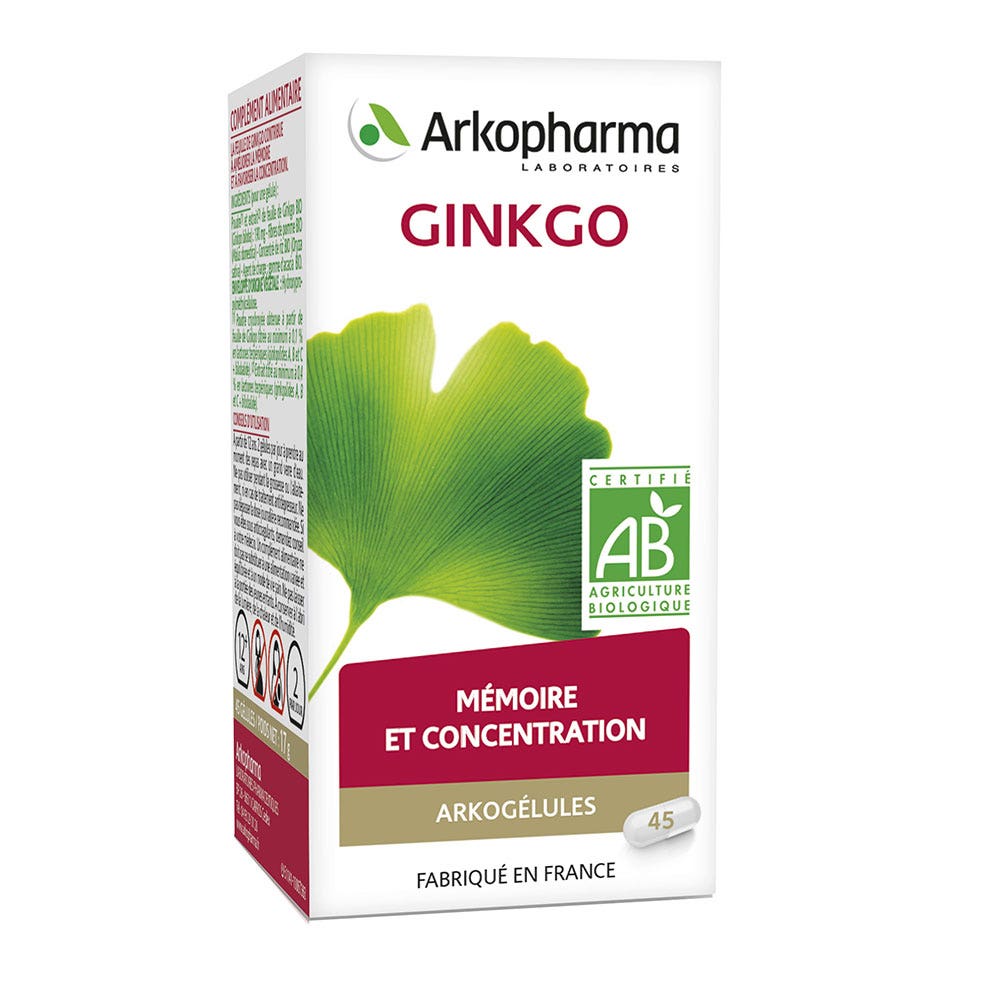
| Memory & Concentration Organic Ginkgo – Arkopharma | Memory | Supports cognitive function |
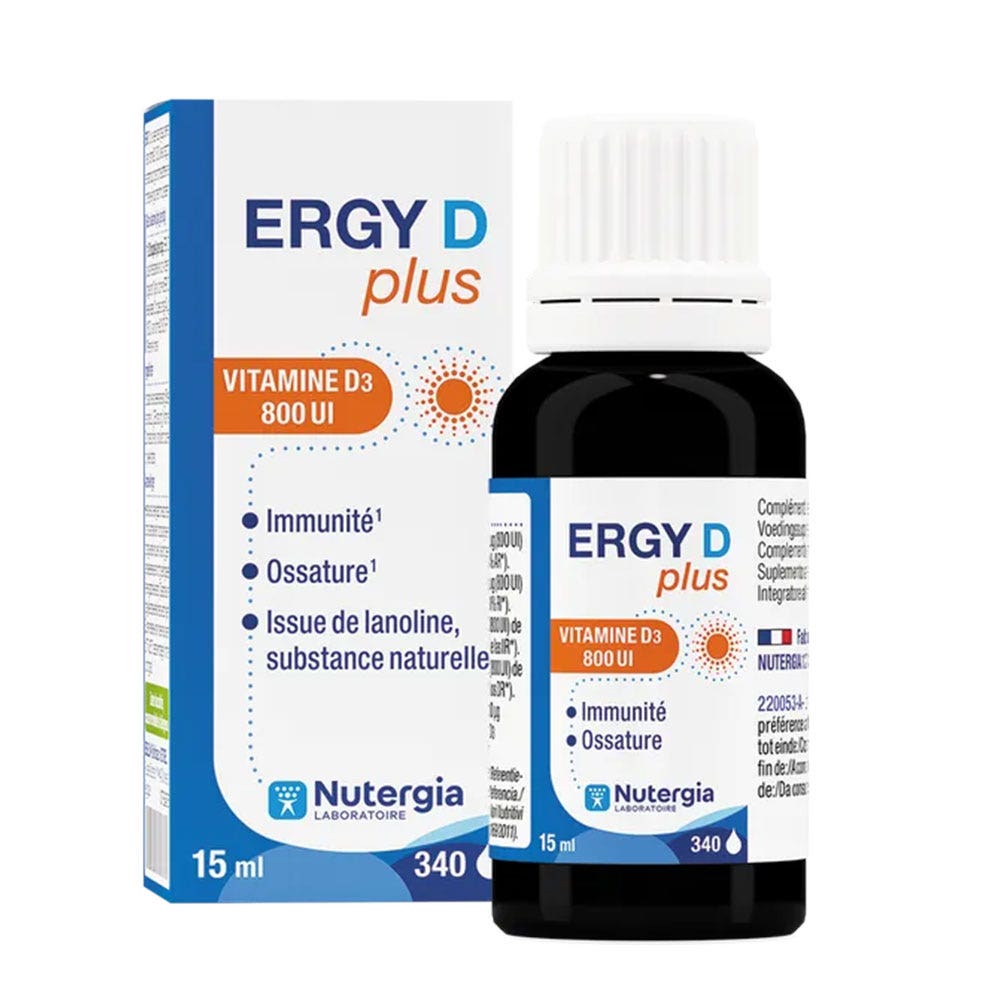
| Ergy D Plus – Nutergia | Bone health, immunity | Vitamin D supplementation |
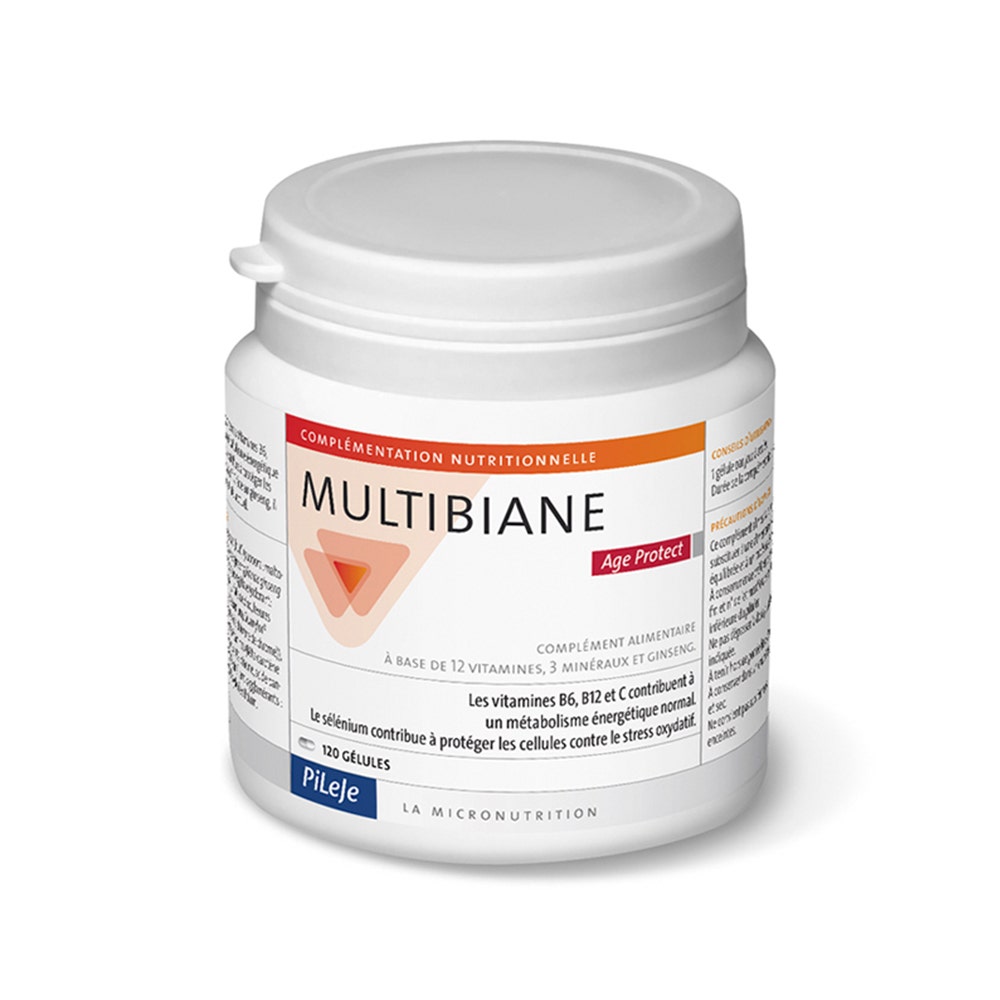
| Multibiane Age Protect – PiLeJe | Overall health support | Vitamins and minerals |
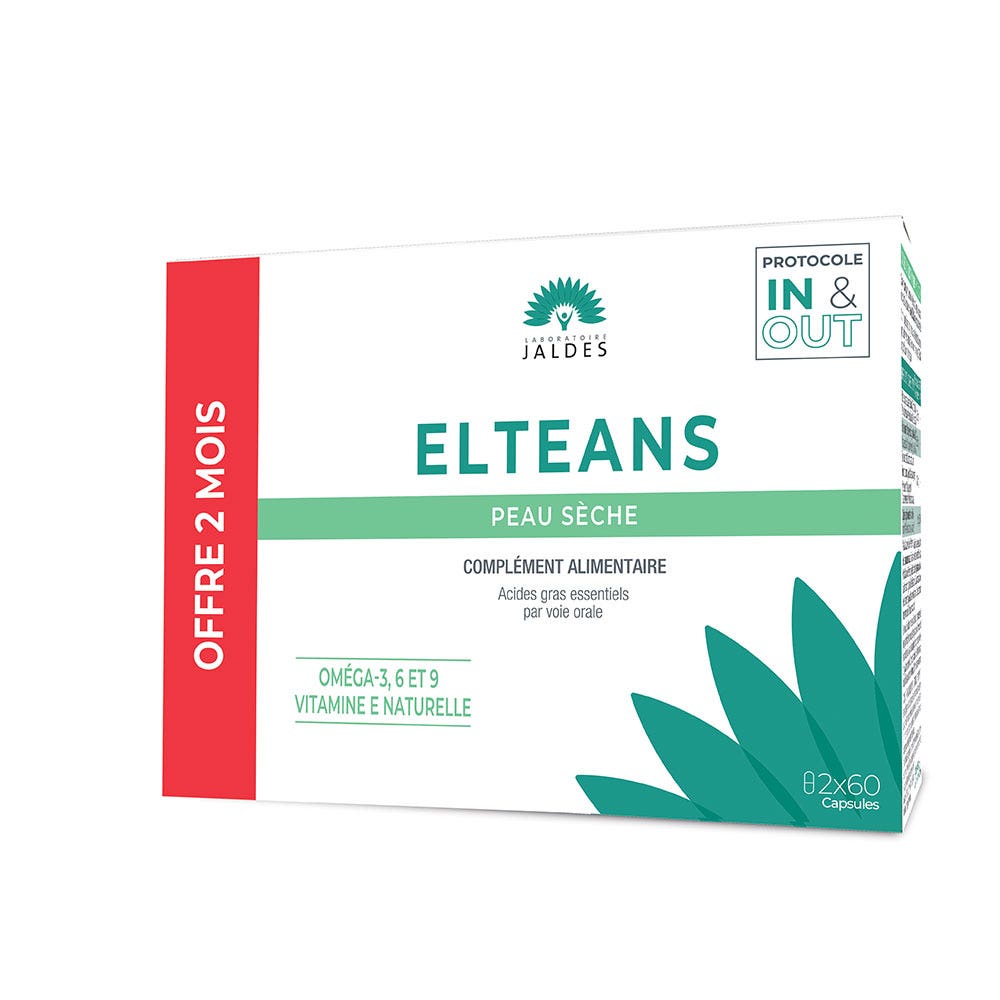
| Omega 3-6-9 – Jaldes | Heart and brain health | Essential fatty acids |
| Senior Biotiques – Vit’All+ | Digestive health | Supports the gut microbiome |

- Vitamin D, especially for people with limited sun exposure.
- Calcium, depending on dietary intake and bone health needs.
- Vitamin B12, as absorption naturally decreases with age.
- Omega-3 fatty acids, depending on dietary intake.
- Probiotics, particularly for digestive issues or irregular bowel function.
- They may help support a healthy gut microbiome in cases of microbial imbalance, bloating, or irregular bowel movements.
- They may also be beneficial after a course of antibiotics, depending on individual circumstances.
- The probiotic strain, dosage, and duration of supplementation should be tailored to the individual’s needs.
- Unusual fatigue or low energy levels.
- Muscle weakness or loss of muscle mass.
- Frequent falls or increased bone fragility.
- Memory or concentration problems (which should be medically assessed).
- Persistent digestive issues.