
Muscle Relaxants: Symptoms, Causes, and Treatments

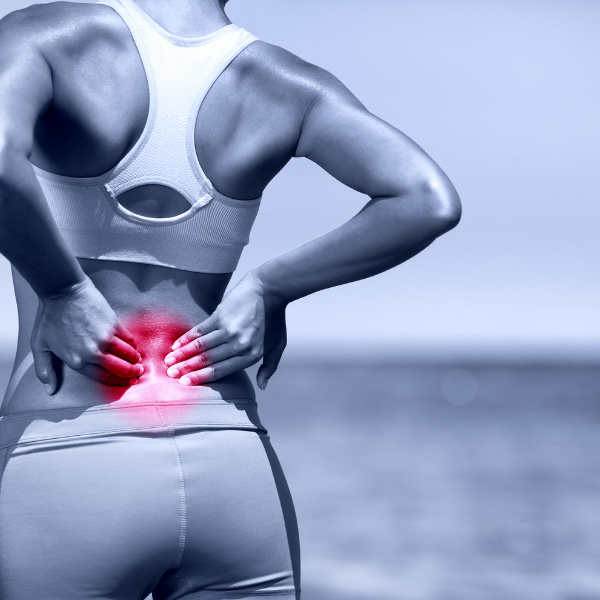
Our muscles are constantly working and contracting throughout the day. Sometimes, they become overworked or strained, leading to muscle pain that can be difficult to tolerate. Many muscle aches appear 24 to 48 hours after intense physical activity. To help relieve this discomfort, a muscle relaxant can provide fast and effective relief by helping ease muscle tension.
Key Takeaways
- Muscle pain often develops 24 to 48 hours after intense physical activity.
- Muscle relaxants help relieve muscle tension and spasms, but they do not treat the underlying cause.
- They are available in several forms, including heat patches, dietary supplements, massage gels, and heat therapy products.
- Heat therapy is generally recommended for persistent muscle pain, while cold therapy is better suited to recent injuries.
- Prescription muscle relaxant medications should only be used for short periods and under medical supervision.
What Is a Muscle Relaxant?
What Is a Muscle Relaxant?
A muscle relaxant, also known as a muscle relaxer, is a treatment used to help relieve muscle tension, contractures, and muscular pain. It is commonly recommended for athletes who place significant strain on their muscles, but it can also benefit people with certain medical conditions that cause muscle stiffness or spasms.
Muscle relaxants help ease muscle soreness and discomfort, which most often occur after physical exercise but may also result from overexertion, muscle fatigue, or poor posture. While they can help reduce symptoms and improve comfort, they do not treat the underlying cause of the muscle pain.
Muscle Relaxants: An Effective Solution for Muscle Soreness and Tension
Muscle relaxants work by acting on the nervous system and the communication between nerves and muscles, helping to reduce excessive muscle contractions. Some prescription muscle relaxants influence the activity of GABA (gamma-aminobutyric acid), a neurotransmitter involved in muscle relaxation.
By helping muscles relax, these treatments can reduce stiffness, relieve muscle spasms, and improve overall comfort. They are commonly recommended to ease pain associated with muscle injuries, overuse, or acute muscle tension.
However, muscle relaxants do not treat the underlying cause of a musculoskeletal condition. Instead, they provide symptomatic relief, helping patients manage pain while the affected muscles recover. Because of their potential side effects, prescription muscle relaxants are generally recommended as short-term supportive treatments and should be used according to a healthcare professional’s advice.
What Causes Muscle Pain?
What Causes Muscle Pain?
Our entire body is made up of muscles, which is why muscle pain, also known as myalgia, can occur in many different areas. There are three main types of muscles:
- Skeletal (striated) muscles, attached to bones and responsible for body movement.
- Smooth muscles, which make up the walls of internal organs.
- Cardiac muscle, found exclusively in the heart.
Because muscles are constantly in use, they can become overworked and lead to soreness or muscle pain. Myalgia is commonly caused by muscle overuse, poor posture, excessive physical effort, or improper movement. Inadequate hydration and insufficient warm-up before exercise can also increase the risk of muscle soreness.
Athletes are particularly prone to muscle pain, which may result from muscle tears, strains, impact injuries, overstretching, or even unsuitable sports equipment.
Muscle pain may also occur as a symptom of certain illnesses or infections. Bacterial infections, influenza, poliomyelitis, COVID-19, malaria, and hepatitis C are among the conditions that can cause muscle aches lasting several days.
Common symptoms of muscle pain include:
- Numbness.
- Muscle stiffness and sharp pain.
- A burning sensation.
- Tingling or “pins and needles.”
- Throbbing or repeated aching sensations.
- Discomfort when moving joints or performing everyday activities.
- Swelling.
Muscle Relaxants: The Different Types Available
Muscle Relaxants: The Different Types Available
There are several types of muscle relaxants available to help relieve muscle pain and tension quickly and effectively. The most suitable option depends on the type of pain, the affected area, and whether you need immediate or long-term relief.
| Criteria | Heat Patch | Massage Gel / Cream / Balm | Massage Oil | Heat Pack or Heating Pad | Cold Pack / Cryotherapy | Dietary Supplement | Prescription Muscle Relaxant |
|---|---|---|---|---|---|---|---|
| Best for | Persistent muscle pain and contractures | Muscle soreness, widespread tension, post-workout recovery | Chronic muscle tension, extended massage sessions | Muscle stiffness and cold-related aches | Recent injuries, impacts, bruises | Prevention, nutritional deficiencies, long-term recovery | Severe and painful muscle contractures |
| Type of pain targeted | Contractures, muscle stiffness | Muscle soreness and widespread muscle pain | Muscle tension, chronic discomfort | Established muscle pain | Acute inflammation and swelling | Muscle cramps, fatigue, recurring contractions | Muscle spasms and increased muscle tone |
| Best areas of application | Back, neck, shoulders, lower back | Thighs, calves, back, feet, hips | Large areas: legs, back, shoulders | Back, lower back, neck | Joints and impact areas | Whole-body support | As prescribed by a healthcare professional |
| Main action | Continuous heat to relax muscles and improve circulation | Massage combined with warming or cooling active ingredients | Extended massage promoting muscle relaxation | Localized heat therapy | Cryotherapy to reduce inflammation and pain | Provides essential nutrients for muscle function | Acts centrally or peripherally on muscle contraction |
| Duration of action | 6 to 8 hours depending on the patch | Immediate to several hours | Varies depending on massage duration and ingredients | 15 to 30 minutes per application | 10 to 15 minutes per application | Gradual (days to weeks) | Varies depending on the medication |
| Key benefits |
|
|
|
|
|
|
|
| Limitations / Precautions | Not suitable for sensitive skin or open wounds | For external use only; avoid contact with mucous membranes | May leave a greasy finish | Risk of burns if overheated | Do not apply directly to bare skin | Not effective immediately; possible interactions | May cause drowsiness or dependence; short-term use only |
| Directions for use | Apply to clean, dry skin and follow the recommended wear time | Massage for 2–3 minutes until fully absorbed | Warm the oil between your hands before massaging | Use with a protective cloth or fabric cover | Wrap in a cloth and apply for short sessions | Combine with proper hydration and a balanced diet | Strictly follow your healthcare provider’s instructions |
| Examples of active ingredients / technologies | Heat-generating agents, warming powders | Menthol, camphor, essential oils | Plant oils and essential oils | Thermal gel, natural seed fillings | Cooling gel, cryotherapy spray | Magnesium, potassium, vitamin D, botanical extracts | Prescription muscle relaxant medications |

How Can You Relax a Tight Muscle?
How Can You Relax a Tight Muscle?
Several methods can help relax a tight or tense muscle. Stretching is one of the most effective approaches, as it helps improve flexibility and reduce muscle tension. Massage therapy, whether performed by a professional or with a massage device, can also help ease tight muscles and promote recovery.
Staying well hydrated and eating a balanced diet rich in minerals such as magnesium also supports normal muscle function. Some people also turn to natural remedies, such as lavender essential oil, known for its relaxing properties, or PEA (palmitoylethanolamide), a naturally occurring compound used to help manage pain.
Alternating heat and cold therapy can also be beneficial. Heat helps improve blood circulation and increase muscle flexibility, while cold therapy helps reduce inflammation, limit swelling, and support recovery after exercise or injury.
Which Medication Can Help Relax Tight Muscles?
Which Medications Can Help Relax Tight Muscles?
To relieve painful muscle contractures and muscle spasms, healthcare professionals may prescribe medications known as muscle relaxants. These medicines work by reducing muscle tone and helping muscle fibers relax. They are commonly prescribed after an injury, for acute muscle pain, or to manage involuntary muscle spasms.
However, muscle relaxants provide symptomatic relief only. They do not treat the underlying cause of the pain but help improve comfort over a short period. Because they may cause side effects such as drowsiness, dizziness, and, for some medications, a risk of dependence, they should always be used under medical supervision and for a limited duration. In recent years, some muscle relaxants have also been withdrawn from the market due to an unfavorable benefit-risk balance.
Which Muscle Relaxant Is Best for Different Types of Pain?
Which Muscle Relaxant Is Best for Different Types of Pain?
Muscle pain most commonly affects the arms, back, shoulders, legs, and hips, as these areas are used extensively in daily activities. However, any muscle in the body can become painful, whether due to physical exertion or other causes.
For recent injuries, muscle strains, bruises, or impact-related trauma, cold therapy is generally recommended. Why is cryotherapy effective? It helps lower skin temperature, reduce swelling, and promote faster recovery by limiting inflammation. Cold therapy is most effective when applied shortly after an injury, before inflammation becomes well established.
Massage gels, massage oils, and massage balms are ideal for widespread muscle pain and soreness. Massage helps stimulate muscles, relieve tension, and improve relaxation. Many massage products also contain naturally derived active ingredients known for their soothing and warming or cooling properties. These products are particularly effective for muscle soreness and are well suited for larger areas such as the back, thighs, legs, feet, and hips.
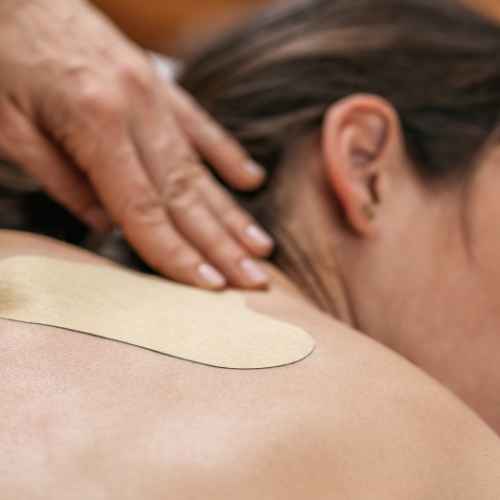
For muscle pain affecting hard-to-reach areas, such as the back, shoulders, or neck, heat patches and heating pads are excellent options. Heat patches provide continuous warmth for approximately 6 to 8 hours, helping to relax muscles, improve blood circulation, and relieve persistent stiffness and muscle tension.

Which Pain Reliever Is Best for a Muscle Contracture?
Several treatment options can help relieve a muscle contracture. Prescription muscle relaxants are commonly used for short-term relief, as they help reduce muscle tension and ease pain. Depending on the country and medical guidance, healthcare professionals may prescribe medications containing active ingredients such as methocarbamol or mephenesin.
In some cases, and provided there are no contraindications, a healthcare professional may recommend combining a nonsteroidal anti-inflammatory drug (NSAID) with a muscle relaxant to help reduce both pain and inflammation.
Natural approaches can also complement treatment, including gentle stretching, massage, adequate hydration, and dietary supplements that support normal muscle function. Finally, cryotherapy (cold therapy) can be an effective way to relieve muscle contractures, particularly when inflammation or swelling is present.
What Is the Best Over-the-Counter Muscle Relaxant?
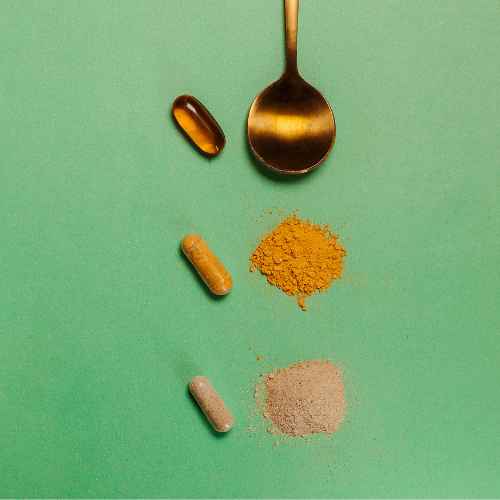
Among the most commonly used natural options, Ashwagandha, an herb widely used in Ayurvedic medicine, is known for its relaxing properties and its ability to help reduce stress-related muscle tension. Magnesium plays an essential role in normal muscle function and may help prevent muscle cramps.
Other plant-based ingredients, such as turmeric, white willow bark, and nettle, have traditionally been used to support muscle and joint comfort. These natural solutions can be combined with stretching, proper hydration, and adequate rest, but they should not replace medical advice if muscle pain is severe, persistent, or recurring.
What Is the Most Effective Muscle Relaxant?
What Is the Most Effective Muscle Relaxant?
There is no single answer to this question, as the effectiveness of a muscle relaxant depends on several factors, including the cause of the muscle contracture, the severity of the pain, the affected area, and individual sensitivity to active ingredients. However, some products are widely recognized for helping relieve muscle tension and discomfort.
Among natural muscle relaxants, yarrow (Achillea millefolium) is traditionally valued for its anti-inflammatory and muscle-relaxing properties. To help you choose the most suitable muscle relaxant, our experts have selected some of their top recommendations.
| Product | Format | Type | Best for | Main benefit | Directions for use |
|---|---|---|---|---|---|
| Tiger Balm Rouge | 30 g Balm | Massage balm | Muscle contractures, soreness, stiff neck | Warming followed by a cooling sensation | Apply locally and massage into the affected area. For external use only. Avoid contact with the eyes and mucous membranes. |
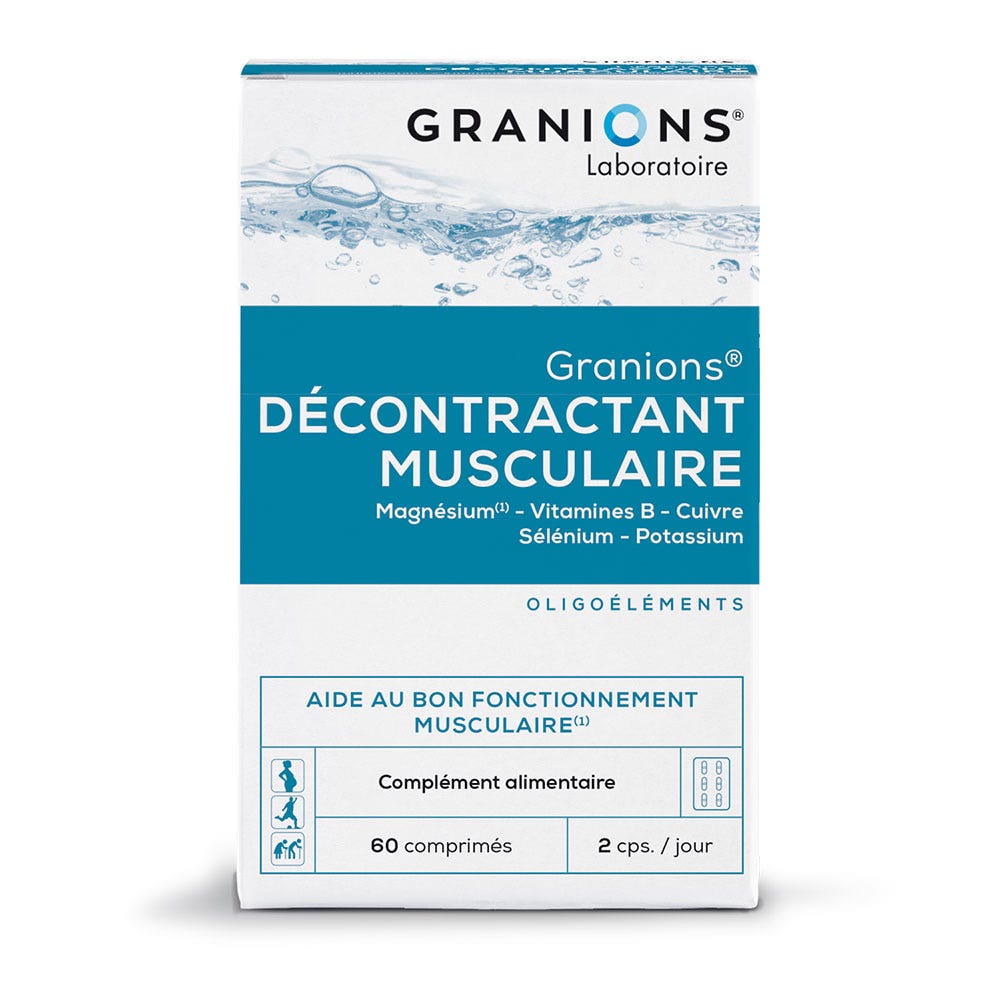
| Granions Décontractant Musculaire | 60 tablets | Dietary supplement | Muscle contractions and post-exercise fatigue | Contains magnesium and potassium to support normal neuromuscular function | Use as a course of supplementation or at the first signs of discomfort, following the package instructions. Do not exceed the recommended dose. |
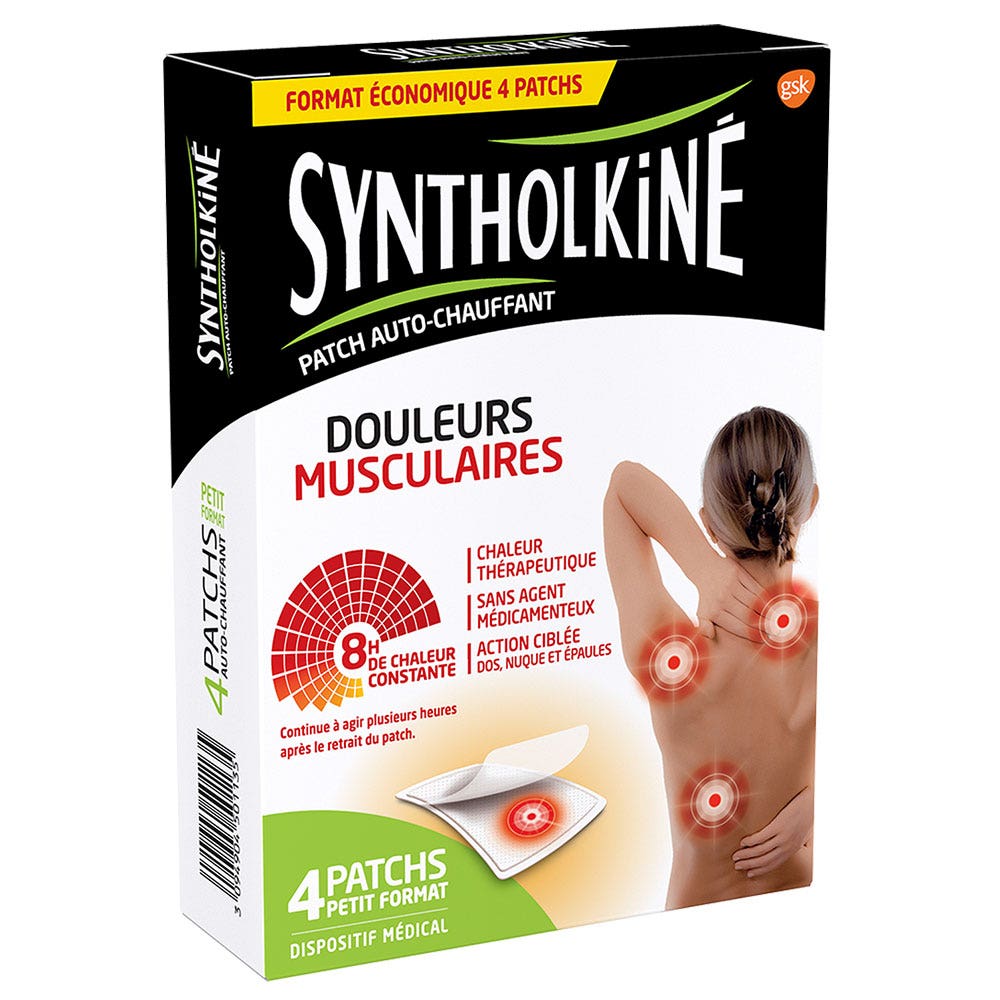
| SyntholKiné Self-Heating Patch – Small Size | Pack of 4 patches | Heat patch | Persistent pain affecting the back, neck, and shoulders | Long-lasting continuous heat | Apply to clean, dry skin. Follow the recommended wear time and remove the patch if irritation occurs. |
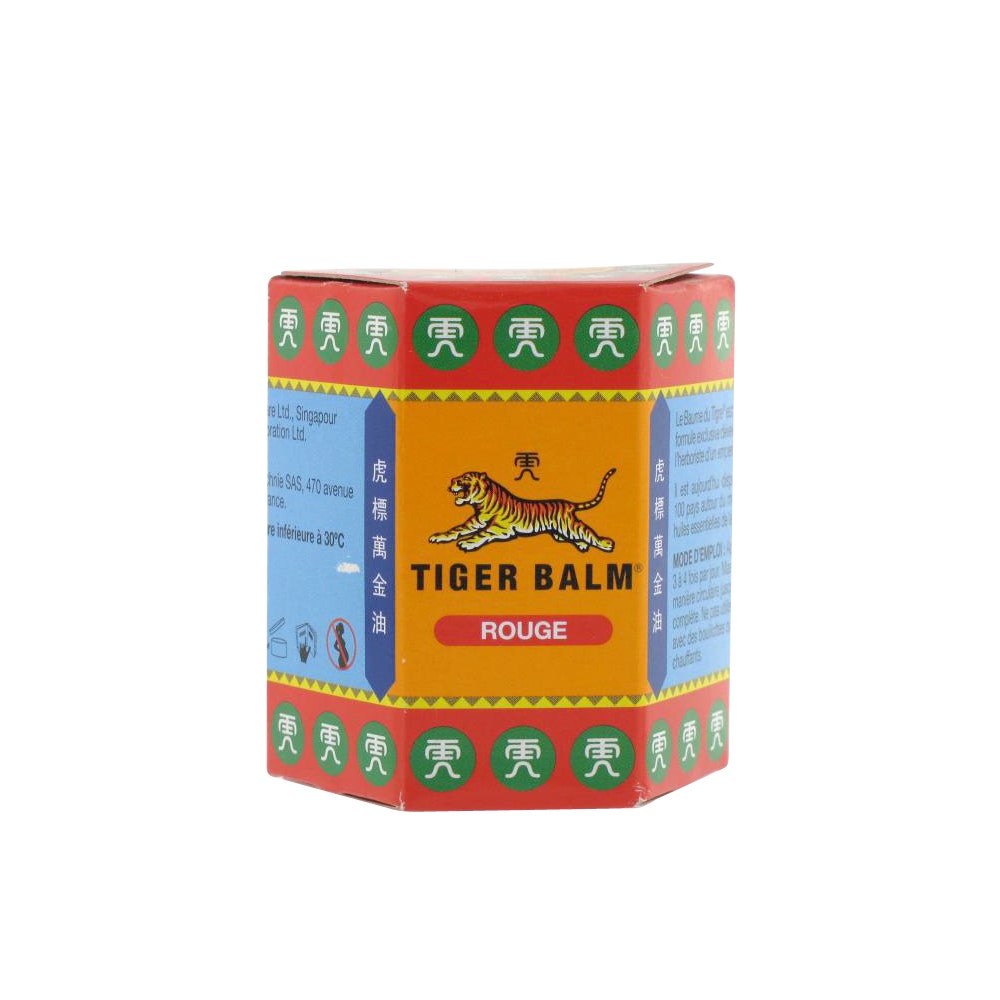
Tiger Balm Rouge by Biotechnie: A Natural, Time-Tested Remedy
Tiger Balm Rouge is a well-known traditional remedy for muscle and joint pain. Inspired by traditional Chinese medicine, its formula combines plant extracts and essential oils with warming and soothing properties to help relieve muscle tension and stiffness.
It is commonly used to ease muscle contractures, post-exercise soreness, and stiff neck. Tiger Balm Rouge is especially popular for relieving back pain, as the back muscles are frequently overworked during everyday activities. Its warming effect, followed by a cooling sensation, helps soothe discomfort while promoting muscle relaxation.
For external use only, apply a small amount to the affected area and gently massage until a warming sensation develops. Once the area feels warm, massage can be stopped to allow the active ingredients to continue working. Suitable for adults and children over the age of 5, when used according to the manufacturer’s instructions.
Granions Décontractant Musculaire by Laboratoires Granions
Granions Décontractant Musculaire is a dietary supplement designed to support normal muscle function and help relieve muscle contractions that occur after physical activity or during periods of muscle tension.
Its formula contains magnesium and potassium, two essential minerals that contribute to normal neuromuscular function, along with selenium and copper, which help protect cells from oxidative stress.
One of its key advantages is its versatility: it can be taken before periods of intense physical activity as part of a preventive supplementation plan or used at the first signs of muscle discomfort, following the recommended dosage.
SyntholKiné Self-Heating Patches for Muscle Pain
SyntholKiné Self-Heating Patches are designed to relieve persistent muscle pain affecting the back, neck, and shoulders. Their self-heating technology is activated when the patch comes into contact with the air, generating gentle, continuous warmth.
The heat helps relax tense muscles for up to 8 hours, providing long-lasting comfort. Easy to apply and remove, these flexible patches move with the body, making them a practical solution for everyday use.
Further reading: Expert Guide – Muscle Pain.
FAQ - Décontractant musculaire
There is no single best natural muscle relaxant, as the most effective option depends on the underlying cause of the pain. However, several natural ingredients are well known for supporting muscle relaxation, including magnesium, Ashwagandha, turmeric, and white willow bark.
For topical relief, massage balms and gels enriched with botanical extracts or essential oils are also popular choices. When applied with a gentle massage, they can help ease muscle tension, soothe soreness, and promote relaxation.
Cold therapy is recommended immediately after a recent injury or trauma, as it helps reduce inflammation, swelling, and tissue damage. It is particularly effective during the first 24 to 48 hours following an injury.
Heat therapy, on the other hand, is better suited for persistent muscle pain, contractures, and stiffness. Heat promotes muscle relaxation by improving blood circulation, increasing tissue flexibility, and relieving muscle tension.
The recommended duration of use depends on the type of muscle relaxant. Heat patches and topical massage products can be used as needed until symptoms improve, following the manufacturer’s instructions.
Dietary supplements, such as those containing magnesium or other muscle-supporting nutrients, are generally taken as part of a course lasting several weeks to achieve optimal benefits.
If muscle pain persists, worsens, or keeps recurring despite these measures, it is important to consult a healthcare professional to determine the underlying cause and receive appropriate treatment.