Is it normal for a baby to lose their hair?

Discovering that your baby is losing hair can be a stressful source of concern and questions. This common phenomenon, often seen as a normal stage of development, raises important questions about whether the situation is normal and what steps should be taken to support healthy hair growth. In this article, our experts explore the different aspects of hair loss in babies, whether it concerns a 4-month-old infant beginning to show signs of hair loss or parents looking for advice on how to stimulate their child’s hair regrowth. By discussing the causes, explaining when concern may be justified, and providing recommendations on appropriate baby hair care, we will guide you through everything you need to know to manage this phase with confidence and understanding.
Baby losing hair: key takeaways
-
Hair loss in babies is common and most often completely normal
-
It often occurs around 3 to 6 months, due to hormonal changes
-
Friction against the mattress may cause localized hair loss at the back of the head
-
Hair usually grows back naturally before the age of 1
-
Gentle and suitable care is enough in most cases
Baby hair loss: causes
Hair loss in babies, although unexpected for parents, is actually a fairly common phenomenon that is part of the normal process of infant development. Several reasons can explain why a baby loses hair during the first months of life. One of the main causes is the natural hair growth cycle, which can lead to temporary shedding. This cycle is influenced by hormonal changes occurring after birth, and babies often lose the hair they had while in the womb.
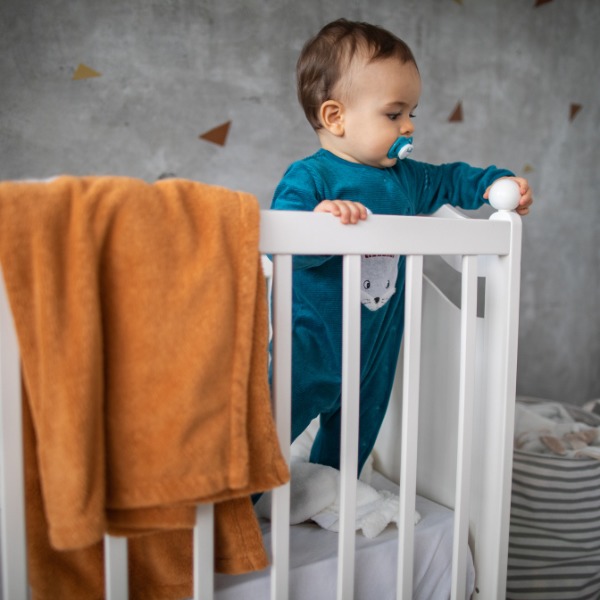
Friction is another common cause of this hair loss. When babies spend a lot of time lying on their backs, the repeated contact between their head and the mattress can wear away hair in certain areas, especially at the back of the head. This condition is sometimes called “baby bald spot” and is completely normal.
Certain skin conditions can also play a role in hair loss in infants. Seborrheic dermatitis, more commonly known as “cradle cap“, is a skin condition that can affect the scalp and cause flakes, redness, and hair loss. Although this may be worrying, it is important to remember that these conditions are usually temporary and resolve with proper care.
By understanding the underlying causes of hair loss, parents can better understand this stage of development and take the necessary steps to care for their baby. Although seeing your baby lose hair can be unsettling, it is most often a temporary phase that gives way to new growth of healthy and strong hair.
Should you be concerned about it?
Seeing fine hairs scattered on your baby’s pillow or hat can naturally be a source of concern. However, it is important to emphasize that hair loss in infants is, in most cases, a completely normal phenomenon that does not require excessive worry. This developmental stage is temporary and is explained by natural factors that do not affect the child’s overall health.
However, there are situations where hair loss may indicate a condition requiring special attention. If you notice that your baby’s hair loss is accompanied by other concerning symptoms, such as red, irritated skin patches or signs of infection, it is wise to consult a healthcare professional. Likewise, if the hair loss seems excessive or continues well beyond the first months of life, medical advice may help rule out any underlying cause requiring specific treatment.
It is also important to monitor your baby’s sleeping habits and preferred sleeping positions, as constant friction on the same areas may contribute to localized hair loss. In such cases, minor adjustments, such as changing your baby’s sleeping position or using softer fabrics, can help reduce friction and support scalp health.
Although some hair loss is expected and normal in babies, stay attentive to signs that could indicate an underlying health issue. In most situations, patience and gentle care are all that is needed to successfully get through this stage of development.
At what age can this phenomenon occur?
Hair loss in babies does not follow a strict timeline and can vary significantly from one child to another. However, it is common to notice that this hair loss begins around the age of 4 months. This period often coincides with changes in the infant’s hair growth cycle, influenced by post-birth hormonal adjustments. Although 4 months is a common reference point for baby hair loss, some children may experience this phase earlier or later in their development.
It is important for parents to understand that hair loss can occur at different stages, and there is no reason to worry if their baby does not follow the typical pattern exactly. In some cases, babies are born with a full head of hair that begins to fall out almost immediately, while others may keep their original hair for a longer period before shedding starts. Likewise, some babies are born with very little hair and show no noticeable signs of hair loss during the first months.
The important thing to remember is that hair loss is an integral part of the natural growth and development process in babies. It is generally not a sign of an underlying health problem. However, if you have concerns about your baby’s development or if the hair loss is accompanied by other worrying symptoms, it is always advisable to consult a healthcare professional for advice tailored to your specific situation.
When will baby’s hair grow back?
After noticing hair loss in their baby, many parents naturally wonder when and how hair regrowth will occur. The good news is that in the vast majority of cases, hair loss is temporary, and healthy new growth will follow. However, the timing of this regrowth can vary from one child to another.
Typically, hair begins to grow back a few weeks to several months after the initial hair loss. For some babies, regrowth is quick and visible shortly after the hair loss begins. For others, it may take longer, sometimes until around one year of age or even later, before significant hair growth appears. This variability is completely normal and depends on individual factors such as genetics, the baby’s overall health, and the characteristics of their hair growth cycle.
It is also interesting to note that the new hair may look very different from the baby’s original hair in terms of texture, color, and thickness. For example, a baby who had fine, light-colored hair at birth may later grow thicker and darker hair. These changes are part of natural development and reflect each child’s genetic diversity.
To encourage healthy regrowth, it is recommended to continue caring gently for your baby’s scalp by using products suitable for sensitive skin. A balanced diet and proper hydration are also beneficial to support your baby’s overall health, including hair growth.
Although hair loss can be worrying, it is important to remember that hair regrowth usually does happen, marking a new stage in your baby’s development. With patience and proper care, parents can look forward to seeing their child’s hair flourish once again.
Which products should you use to care for your baby’s hair?
Caring for your baby’s hair, especially after a period of hair loss, requires special attention and the use of products suited to their delicate scalp. Choosing the right products is essential to promote healthy regrowth and maintain your baby’s hair and scalp in good condition. Here are some tips on the types of products to prioritize and how to use them effectively.
Use gentle shampoos
Choose gentle shampoos specifically designed for babies. These products are formulated to be mild on the sensitive scalp and not irritate the eyes. They help cleanse gently without drying out the skin or disrupting the scalp’s natural balance. Look for shampoos that are sulfate-free, paraben-free, and free from artificial fragrances, as they are less likely to cause skin reactions.
Choose natural oils for hydration
Keeping the scalp hydrated is essential for healthy hair growth. Natural oils such as sweet almond oil, coconut oil, or jojoba oil are excellent for nourishing and moisturizing your baby’s scalp. They can be applied in small amounts after bath time, while gently massaging the scalp to stimulate circulation and support scalp health.
Use soft hair brushes
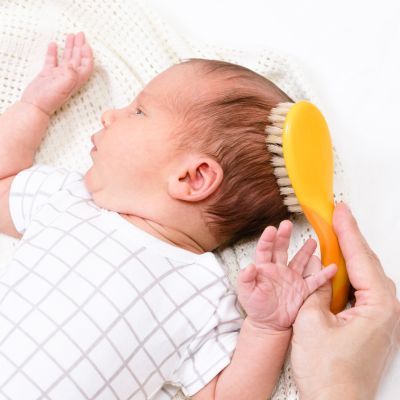
To detangle your baby’s hair and stimulate the scalp, use a soft hairbrush. Brushes specially designed for babies have gentle bristles that glide easily through the hair without pulling or causing discomfort. Regular brushing can help distribute the scalp’s natural oils, promoting healthy and shiny hair.
Avoid harsh chemical products
It is important to avoid products containing harsh ingredients or potentially harmful chemicals. Adult hair care products, especially treatments or those containing strong preservatives, are not suitable for babies’ sensitive skin and may do more harm than good.
Consult a professional if in doubt
If you are unsure which products to use or if your baby has specific hair care needs, do not hesitate to consult a pediatrician or pediatric dermatologist. They can provide personalized advice and recommend products best suited to your child’s situation.
Top 5 baby hair care products
| Situation | What you should know |
|---|---|
| Hair loss before 6 months | A normal and common phenomenon |
| Localized hair loss at the back of the head | Often caused by friction |
| Presence of cradle cap | Can increase hair shedding |
| Slow hair regrowth | Can take up to 18 months |
Taking care of your baby’s hair requires products specifically designed to be gentle and safe for their delicate skin. Here is a selection of products recommended by our experts to care for and support healthy baby hair growth.
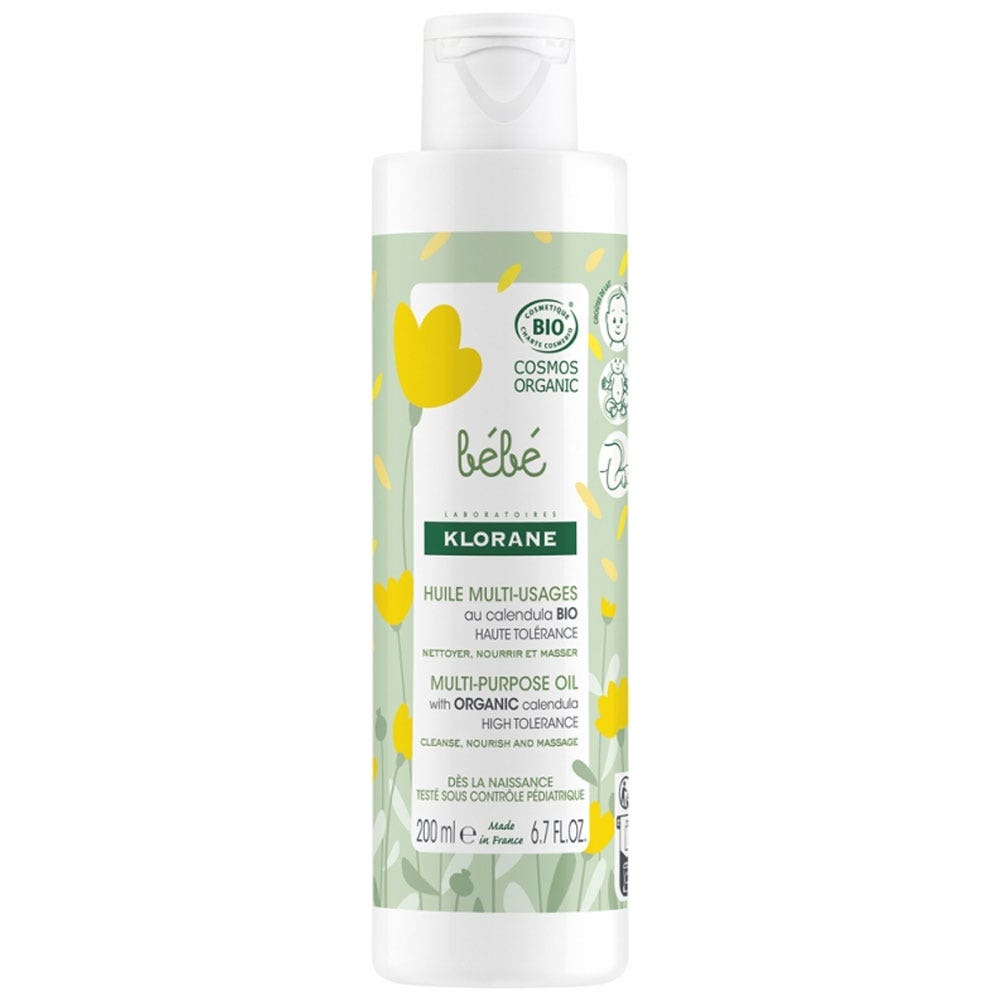
Multi-purpose oil to cleanse, nourish, and massage
This multi-purpose oil enriched with organic Calendula, known for its soothing properties, is ideal for moisturizing and nourishing your baby’s scalp. It can also be used for a gentle massage, helping your baby relax while stimulating the scalp. Its gentle formula is perfectly suited to care for your baby’s skin and hair, leaving a soft protective layer.
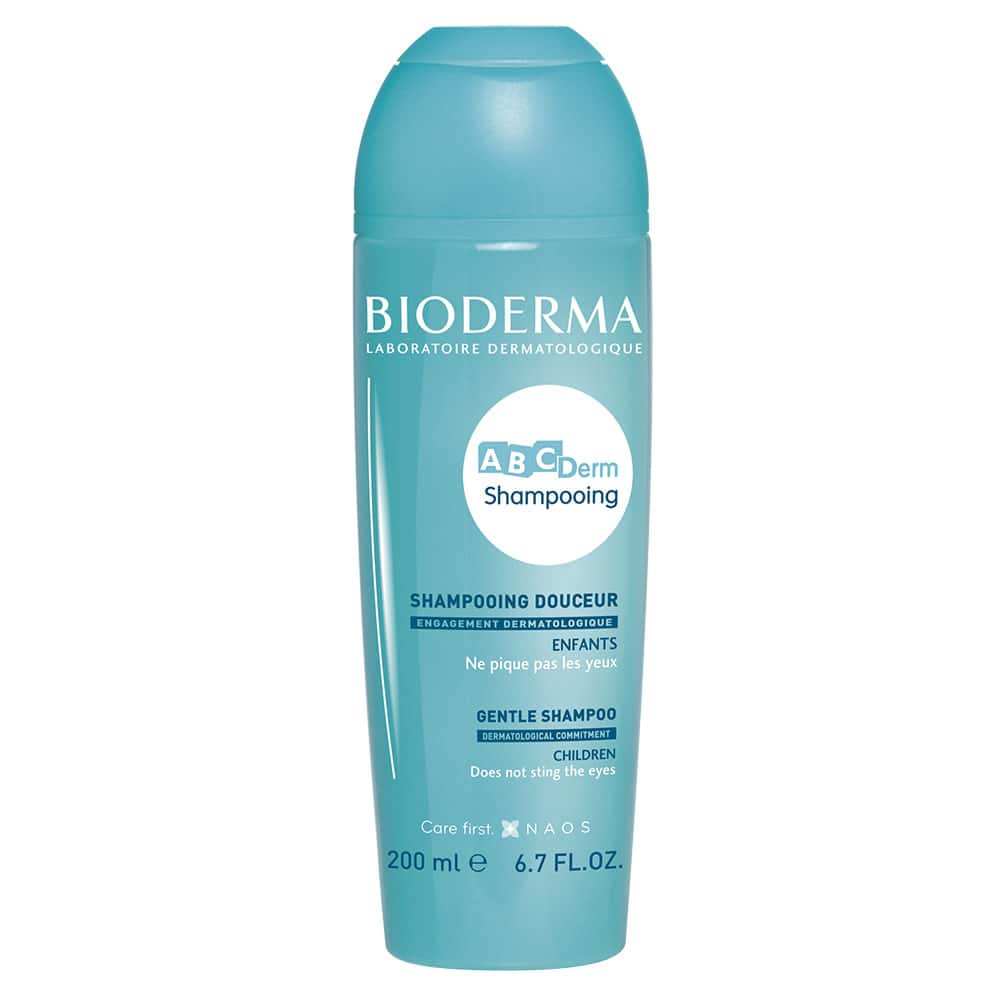
A gentle shampoo specially designed for babies
This gentle shampoo has been specially formulated to respect the delicate nature of babies’ scalps and hair. Its high-tolerance and tear-free formula make it the perfect choice for regular hair washing, cleansing effectively while respecting the skin and scalp’s natural balance.
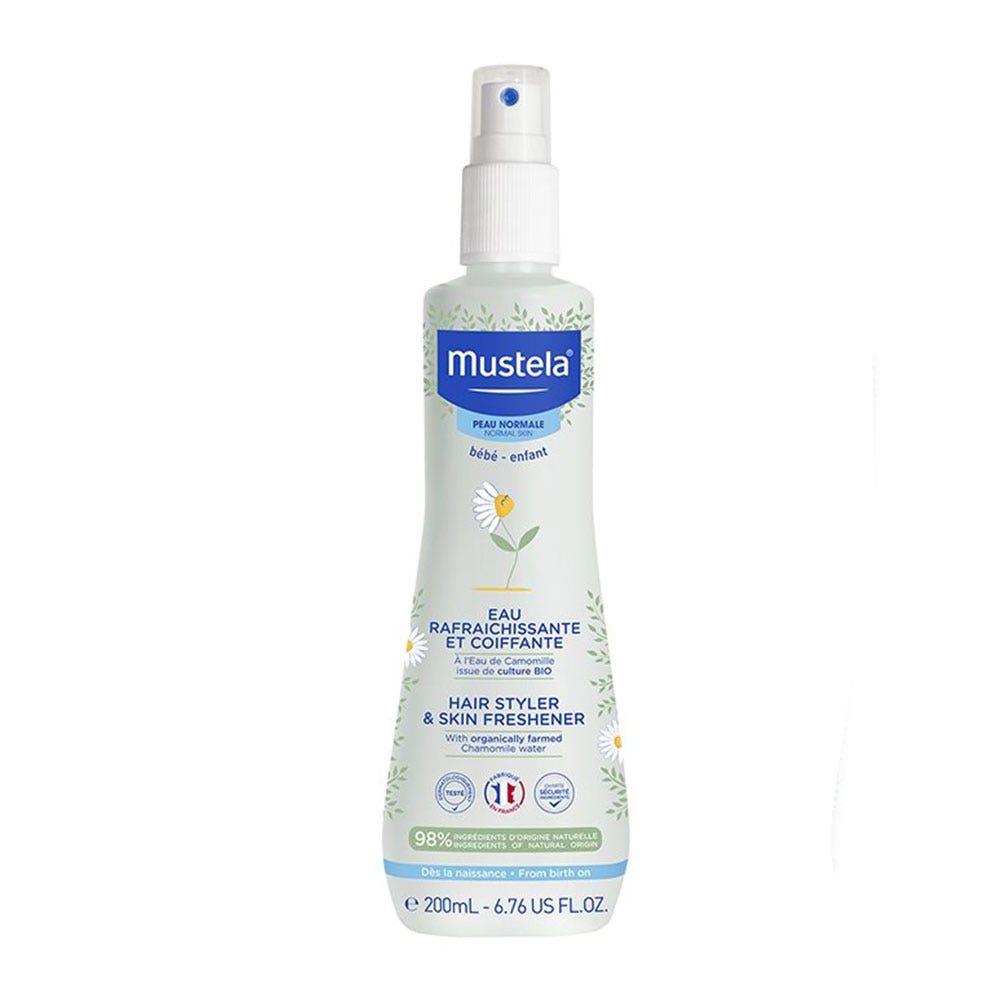
A lightweight water spray to refresh and style hair
This refreshing and styling water enriched with organic chamomile water is perfect for detangling and styling your baby’s hair while keeping it fresh. Its lightweight formula does not leave hair greasy and provides a soft, pleasant fragrance. It is ideal for daily use, offering a refreshing sensation and making delicate baby hair easier to style.
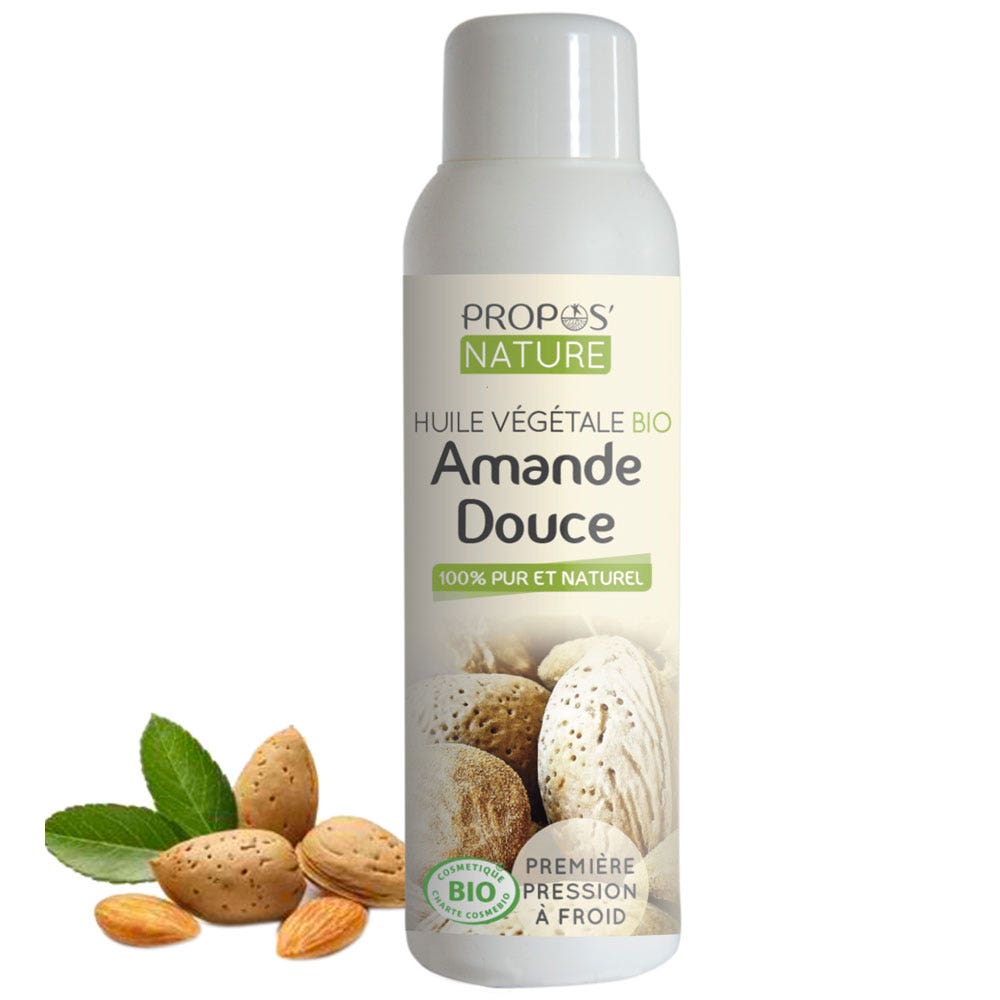
The essential organic sweet almond oil
Propos’Nature organic sweet almond oil is an excellent option for nourishing and moisturizing your baby’s scalp. Rich in vitamins and essential fatty acids, it is particularly suitable for sensitive skin and can be used to soothe and protect the skin while supporting healthy hair growth.
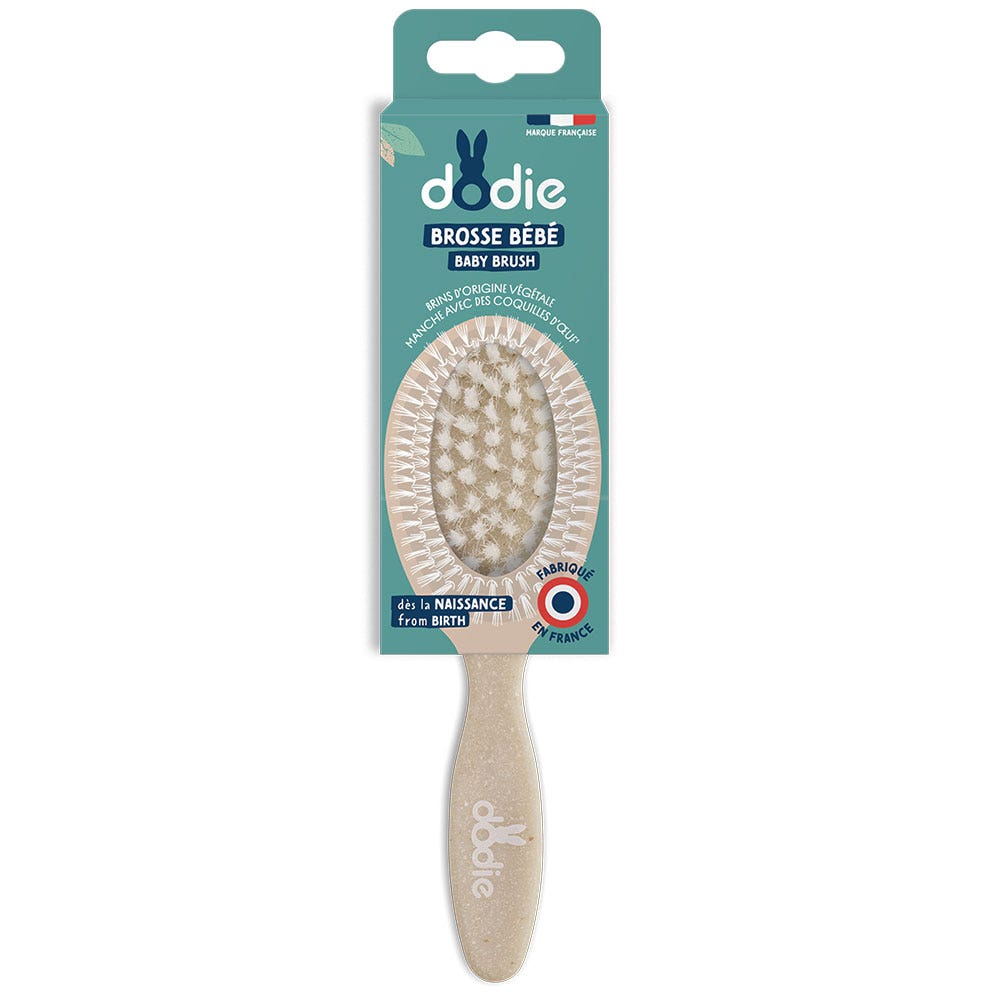
A delicate baby hairbrush
The Dodie baby hairbrush is specially designed for babies, with soft and flexible bristles adapted to their sensitive scalp. It gently styles the hair, delicately stimulating the scalp and helping distribute natural oils for healthy and shiny hair.
Hair loss usually occurs between 3 and 6 months of age, but it can appear earlier or later depending on the baby. Every child develops at their own pace.
Yes. Seborrheic dermatitis, also known as cradle cap, can weaken the scalp and temporarily increase hair loss without preventing hair regrowth.