
Corns on the Foot (Heloma Durum): Symptoms and Treatments

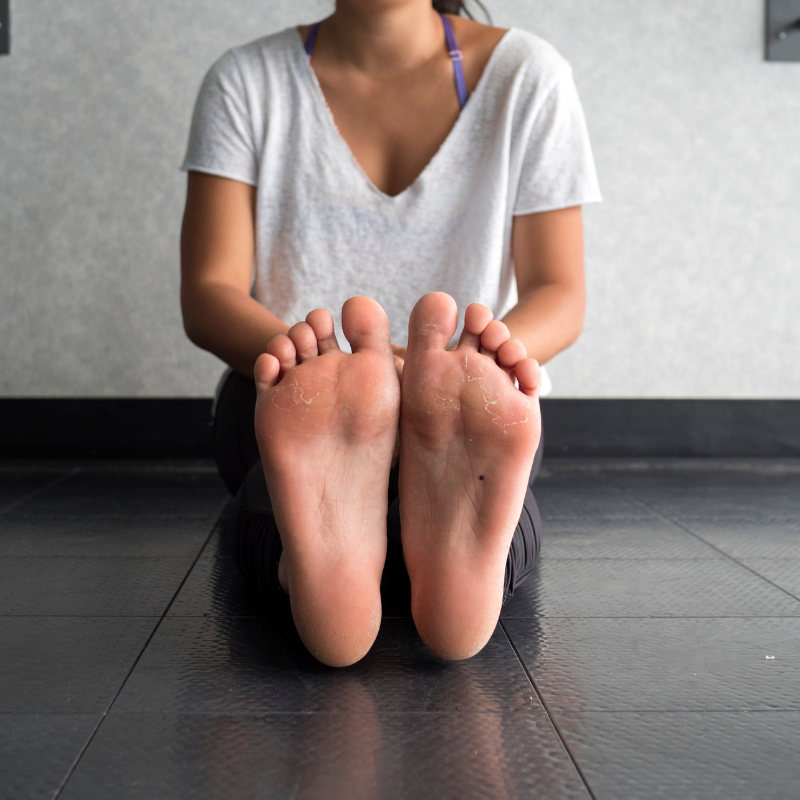
Corns on the Foot (Heloma Durum): Key Takeaways
- A soft corn (heloma molle) is a painful lesion that develops between the toes.
- It is caused by repeated friction and excessive pressure, often due to ill-fitting footwear.
- It differs from a hard corn and a callus because of its location and the level of pain it causes.
- Targeted treatments and protective padding can help relieve symptoms and promote healing.
- Proper foot care and prevention can significantly reduce the risk of recurrence.
Our shoes are not always kind to our feet. While they protect and support them, they can also cause discomfort especially if you spend long hours walking or wearing shoes that are new, too tight, too narrow, or worn out. Constant friction, excessive pressure, and moisture from perspiration can all contribute to a variety of foot problems.
Common conditions include blisters, corns, calluses, soft corns (heloma molle), dry skin, plantar warts, and fungal infections. Among these, a soft corn is particularly painful because it develops between the toes, where pressure and friction are intensified. Without proper care, it can make walking uncomfortable and interfere with everyday activities. Fortunately, with the right treatment and preventive measures, soft corns can usually be managed effectively and recurrence can often be avoided.
What Is a Soft Corn (Heloma Molle)?
A soft corn, also known as heloma molle, develops as a result of continuous friction and pressure between two toes. It is characterized by a localized thickening of the skin and typically appears as a small cone-shaped lesion. A soft corn is a form of hyperkeratosis, meaning there is an excessive buildup of the skin’s outer layer (the stratum corneum). Over time, dead skin cells accumulate and harden if the friction continues and the condition is left untreated.
Soft corns are especially common among athletes, women, people with thin or sensitive skin, those with long toes, and older adults. As we age, the skin naturally becomes thinner, drier, and more fragile, making it more susceptible to friction-related foot conditions.
Soft corns most commonly develop between the toes, particularly between the fourth and fifth toes, but they may also appear on the tops of the toe joints or along the side of the little toe where adjacent toes rub together. They often present as two opposing thickened areas of skin, with pressure creating redness and a small brown or dark central core. This central core is especially tender when pressure is applied, making walking or wearing shoes uncomfortable.
Although soft corns are generally benign and easy to treat, certain individuals should seek medical advice before attempting self-treatment. People with diabetes, poor circulation, or other conditions affecting the feet should consult a healthcare professional or podiatrist, as even minor foot lesions can lead to more serious complications if not managed appropriately.
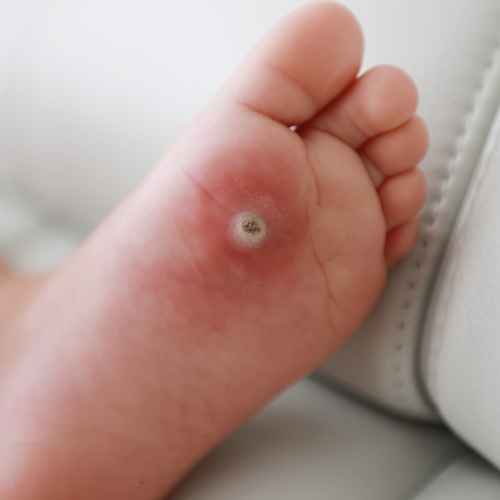
Soft Corn, Corn, and Callus: What's the Difference?
A soft corn is actually a type of corn, but the terminology varies depending on where the lesion develops on the foot.A hard corn (heloma durum) most commonly forms on the tops or sides of the toes, where repeated pressure from footwear causes a small, well-defined area of thickened skin to develop.A callus is another form of hyperkeratosis, but it usually appears on the sole of the foot, particularly under the heel or the ball of the foot. Unlike corns, calluses are broader, flatter, and generally less painful because they do not have a central core.A soft corn (heloma molle) typically develops between the toes, where moisture and constant friction soften the thickened skin. This location makes it particularly tender and often more painful than a hard corn.Although these conditions all result from repeated friction and pressure, their location, appearance, and level of discomfort help distinguish them and determine the most appropriate treatment.
What Causes a Soft Corn?
Various factors can contribute to the development of soft corns. The most common cause is poorly fitting footwear. New shoes, shoes that are too tight, too small, or misshapen can create repeated friction on the feet, even when worn with thin or thick socks.
Another important factor is foot shape. Every foot is unique, and certain anatomical features such as overlapping toes, bunions, or hallux valgus (bunions) can increase friction and pressure between the toes. Hallux valgus can be managed with protective devices such as Epitact Hallux Valgus Protectors. These protectors contain an active gel that helps redistribute pressure and reduce discomfort between the foot and the shoe. They are particularly useful for people who struggle to wear certain types of footwear and can also help minimize friction, reducing the risk of developing soft corns.
How Can You Help Treat a Soft Corn?
| Treatment Step | Recommended Action | Recommended Products | Benefits for Soft Corns | Related SEO Keywords |
|---|---|---|---|---|
| Foot Soak | Soak your feet in warm water for 20 minutes | Warm water, bath salts (optional) | Softens hardened skin and prepares the area for treatment | foot soak, soft corn, corn on foot |
| Exfoliation | Gently remove dead skin | Sea Of Spa Volcanic Pumice Stone | Reduces skin thickening and relieves pain | remove soft corn, pumice stone for corns |
| Moisturizing | Hydrate the skin daily | Urea-rich foot cream | Helps prevent dryness and recurrence | moisturize feet, dry foot skin |
| Toe Protection | Protect friction-prone areas before putting on shoes | Toe separators, gel toe sleeves | Reduces pressure and painful friction | toe protection, foot friction |
| Targeted Treatment | Apply a keratolytic medicated dressing | Urgo Salicylic Acid Corn Plasters | Gradually softens and removes the soft corn | soft corn plaster, salicylic acid |
How Can You Prevent a Soft Corn?
Top 3 Best Products for Treating a Soft Corn
| Product | Type | Primary Action | Key Benefits | Best For | Duration / Use |
|---|---|---|---|---|---|
| Urgo Corn & Soft Corn Plasters | Medicated plaster | Softens and gradually removes soft corns | Immediate cushioning relief Softening action (glycerin) Hydrocolloid technology |
Established, painful soft corns | Wear for 24–48 hours – targeted treatment |
| Urgo Corn & Callus Toe Sleeves | Silicone protection | Protects against friction and pressure | Moisturizing silicone gel Ultra-thin and discreet Washable and reusable |
Daily prevention and comfort | Daily use – long-term protection |
| Scholl Thin Toe Separators | Gel toe separator | Reduces friction between the toes | GelActiv technology Transparent and discreet Reusable |
Soft corns caused by tightly packed or overlapping toes | Daily use – prevention and relief |
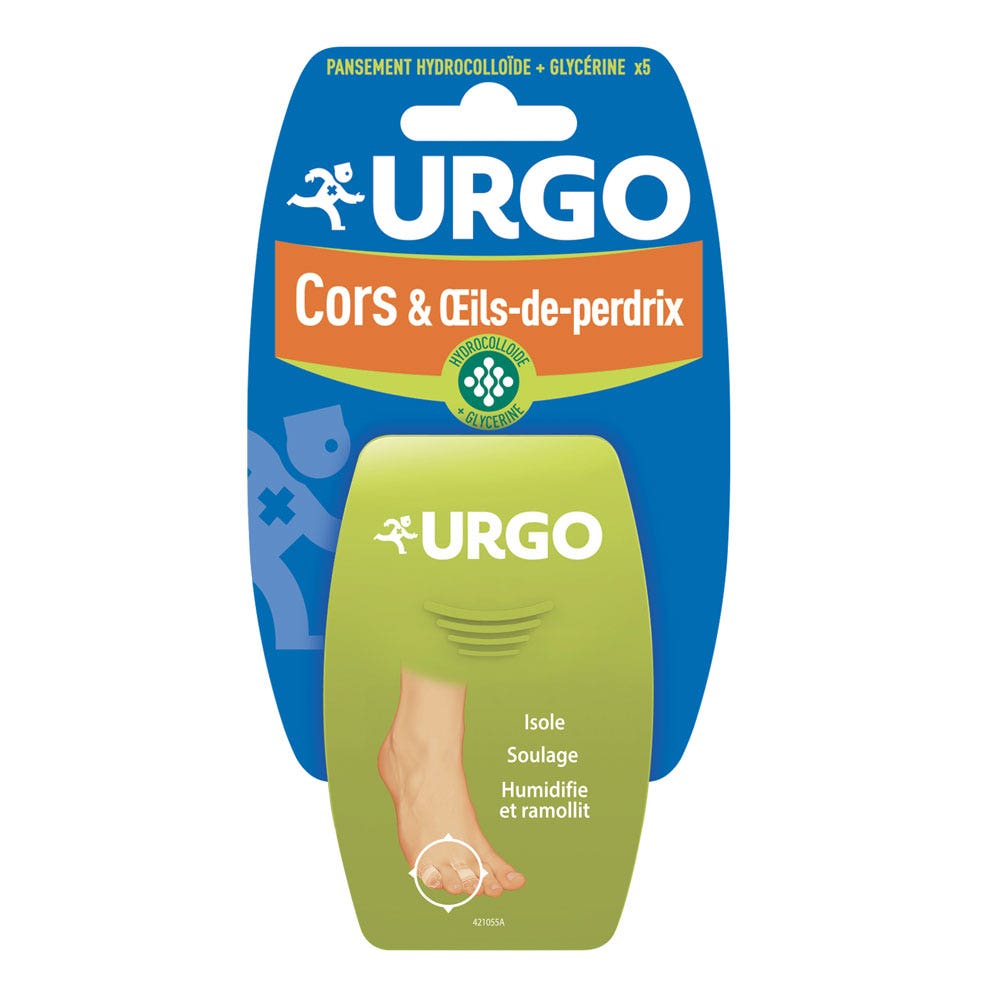

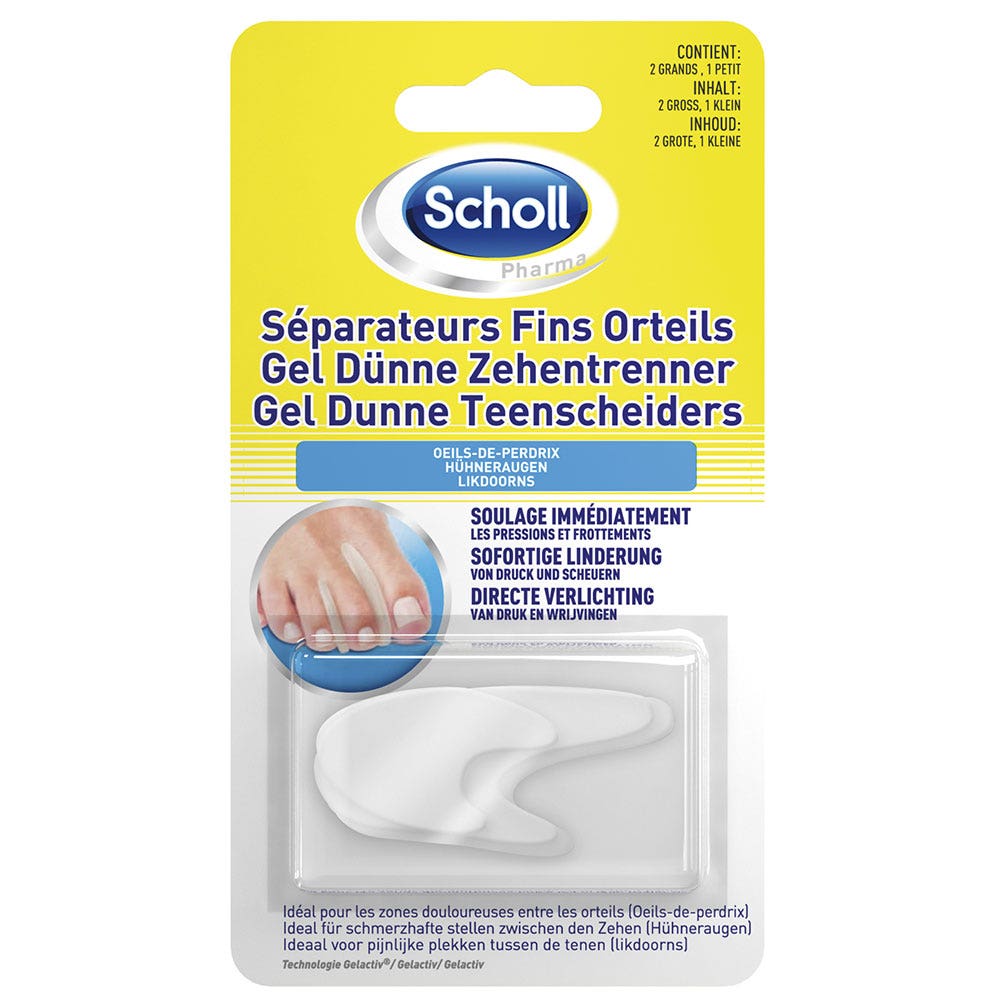
1. Urgo Corn & Soft Corn Plasters
Urgo Corn & Soft Corn Plasters are designed to treat existing soft corns that have already developed between the toes. Featuring a cushioned design for enhanced comfort, these medicated plasters help relieve pain while softening and hydrating hardened skin, making it easier to remove the soft corn over time.
They can also be worn as a protective barrier when wearing tight-fitting shoes to help reduce friction. Each plaster can be worn for 24 to 48 hours. After 48 hours, remove the plaster, soak your feet in warm water, and gently remove any remaining softened dead skin. Each box contains 5 plasters.
Product Benefits
- Immediate pain relief: The built-in pressure-relief pad cushions the affected area, reducing painful pressure and repeated friction for greater comfort while walking.
- Targeted softening action: Enriched with glycerin, the plaster hydrates and softens thickened skin, allowing the soft corn to be removed gradually and gently.
- Protection and healing: Hydrocolloid technology creates an optimal healing environment while protecting the area from external irritation and helping to reduce the risk of new calluses forming.
Customer Review
“The Urgo Corn & Soft Corn Plasters are incredibly effective. They relieved the pain immediately, and after just a few applications, the corn disappeared without any discomfort. They’re very comfortable and easy to apply—I highly recommend them to anyone dealing with corns!”
2. Urgo Corn & Callus Toe Sleeves
To help prevent friction, Urgo Corn & Callus Toe Sleeves provide a comfortable protective barrier around the affected toe. Made from silicone gel, they cushion the skin against pressure and rubbing from footwear, helping prevent corns and relieve pain.
Their slim, stretchable fabric design makes them discreet enough to wear with most types of shoes, including dress shoes. The sleeves are washable and reusable, and can be trimmed for a better fit if needed. Each pack contains 4 toe sleeves.
Product Benefits
- Effective protection against friction: High-quality silicone gel cushions the toe, reducing pressure and rubbing that can worsen existing corns or contribute to new ones.
- Comfortable and discreet: Soft, elastic, and easy to put on, the sleeves fit comfortably on most toes and can be worn unnoticed throughout the day.
- Continuous hydration: The moisturizing gel helps soften hardened skin while supporting the skin’s natural repair process for long-lasting comfort.
Customer Review
“Perfect product! Thanks to Easypara for continuing to stock this item—it works brilliantly and is difficult to find in local pharmacies.”
3. Scholl Thin Toe Separators
For discreet everyday protection, Scholl Thin Toe Separators help reduce friction between toes that rub together or overlap. Made with GelActiv® technology, they provide immediate cushioning and comfort while helping relieve pain caused by soft corns.
Transparent, washable, and reusable, they are suitable for daily use and fit comfortably inside most shoes.
Product Benefits
- Instant relief: Helps reduce pressure and friction between the toes, providing fast relief from discomfort caused by soft corns.
- Comfortable and discreet: The soft GelActiv® material is flexible, comfortable, and virtually invisible, even when worn with open shoes.
- Durable and hygienic: Washable and reusable for long-term use while maintaining excellent hygiene. CE marked for quality and safety.
Customer Review
“A very effective product—I highly recommend it. I had severe pain from a soft corn, and now I can finally wear shoes and walk comfortably without any pain. It’s wonderful!”
These posts may interest you

Nathalie
Holder of a professional diploma in pharmacy assisting
With a Pharmacy Technician diploma, Nathalie is passionate about life and knows the world of parapharmacy inside out. She always has that extra tip that truly makes a difference! A true beauty lover, she tries everything, compares products and finds clever ways to get the most out of each one. Nathalie is a constant source of ideas and the go-to person whenever expert advice is needed. A real gem!