Baby Pacifiers: Top 5 Best Pacifiers for Babies

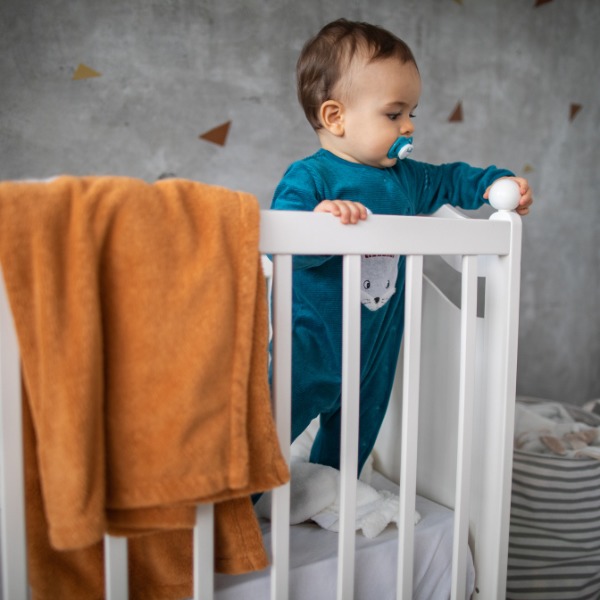
Baby pacifiers are a valuable tool for parents to help calm and soothe their little ones. However, with so many models available on the market, it can be difficult to know which one to choose. In this article, we will discuss the different options available to help parents select the best pacifier for their baby. Our experts invite you to discover the top 5 best baby pacifiers.
Best Baby Pacifiers: Key Takeaways
- The pacifier helps soothe and reassure babies by fulfilling their natural sucking reflex.
- It can contribute to reducing the risk of Sudden Infant Death Syndrome (SIDS).
- The choice depends on age, shape, material, and the baby’s individual preferences.
- Not all pacifiers are suitable for every infant.
- A pacifier should never replace breastfeeding or bottle-feeding.
What is the purpose of a baby pacifier?
Baby pacifiers are a common accessory used to soothe and calm infants. While some may view pacifiers as a distraction or an unnecessary habit, they can actually offer a multitude of benefits for both infants and their parents.
One of the primary functions of a baby pacifier is to calm and comfort the baby when they are stressed or crying. Infants have an innate sucking reflex, and a pacifier can help fulfill this need by providing oral stimulation. This helps soothe the infant and reduce crying, offering relief to parents seeking to settle their child. Pacifiers may also help reduce the risk of Sudden Infant Death Syndrome (SIDS). According to the American Academy of Pediatrics (AAP), babies who sleep with a pacifier show a lower risk of SIDS. It is believed that the pacifier helps maintain regular breathing during sleep and can prevent the baby from ending up in a dangerous position during the night.
Beyond these benefits for babies, pacifiers also offer advantages for parents. They can help distract and soothe the baby during travel or daily activities, making life easier for parents by providing a momentary break. Pacifiers can also help reduce tension during car rides or plane trips, helping babies feel more comfortable and reducing their stress. However, it is important to remember that pacifiers are not suitable for all babies. Some may prefer other forms of comfort, such as blankets or soft toys, and it is important to respect their individual preferences. Furthermore, pacifiers should never be used to replace breastfeeding or bottle-feeding, as these are essential for an infant’s nutrition and growth.
Finally, it is important to note that pacifiers should never be used to force a baby to be quiet or to ignore their needs. Infants communicate through crying, and it is vital to respond to their needs appropriately rather than using a pacifier as a way to silence them.
At what age is it recommended to introduce a pacifier to a baby?
Introducing a pacifier is a personal decision for every parent and every baby. Child health experts generally recommend waiting until breastfeeding is well-established before introducing a pacifier, which can take anywhere from 4 to 6 weeks. While some babies may start using a pacifier from birth, parents should be attentive to how their baby reacts and ensure the pacifier is age-appropriate. Pacifiers are often used to help infants calm and comfort themselves, fulfilling their natural sucking reflex. However, it is important to note that not all babies need or want a pacifier. Some may prefer other forms of comfort, such as a soft blanket or a “doudou” (security toy).
When you decide to introduce a pacifier, choosing the right size for their age is crucial. Pacifiers come in various sizes and shapes, each designed to meet specific developmental needs. Newborn pacifiers are often smaller and softer to fit a tiny mouth, while those for older babies are larger and firmer. Material safety is also key. Options include rubber, silicone, or latex. Silicone pacifiers are generally more durable and easier to clean, but some babies prefer the softer texture of latex. Pay attention to your baby’s cues: some may prefer a flatter teat (orthodontic), while others like a rounded one (cherry shape). Don’t be afraid to experiment with different types to find the perfect match.
Good to know: A pacifier should never be used to replace breastfeeding or bottle-feeding. Infants rely on the nutrition from feedings for their growth and development; pacifiers are strictly for soothing and comfort.
How to choose a pacifier?
Choosing the right pacifier can feel overwhelming given the sheer number of options on the market. There are several factors to consider, such as the shape of the teat, the size, the material, and how easy it is to clean.
The shape of the teat is one of the most important factors. There are several varieties, including round, orthodontic, and flat teats. Round teats are often used for newborns, while orthodontic teats are designed to fit a baby’s developing mouth and help promote healthy oral development. Flat teats are specifically designed to minimize pressure on the baby’s palate and teeth.
Size is equally important. Newborn pacifiers are typically smaller and softer, whereas those for older babies are larger and firmer. It is vital to choose a size that matches your baby’s age and mouth size to avoid any choking hazards.
The material is another key consideration. Pacifiers can be made from various materials like rubber, silicone, or latex. Silicone pacifiers are usually more durable and easier to sanitize than latex, though some babies may prefer the softer, more natural texture of latex.
Ease of cleaning is a practical factor for parents. Pacifiers must be cleaned regularly to prevent the buildup of bacteria and germs. Models that can be easily disassembled or are dishwasher-safe are great options for busy parents.
Finally, always take your baby’s individual preferences into account. Some babies might prefer a flatter teat, while others find comfort in a more rounded shape. Pay attention to your baby’s cues and don’t be afraid to experiment with different types to find “the one” that suits them best.
The Best Baby Pacifiers
| Baby’s Age | Pacifier Type | Benefits |
|---|---|---|
| Newborn | Round / Physiological | Natural sucking, comfort |
| 0–6 months | Orthodontic Silicone | Supports oral development |
| 6–18 months | Physiological or Flat | Less pressure on the teeth |
| 18+ months | Reinforced Flat | Adapted for growing teeth |
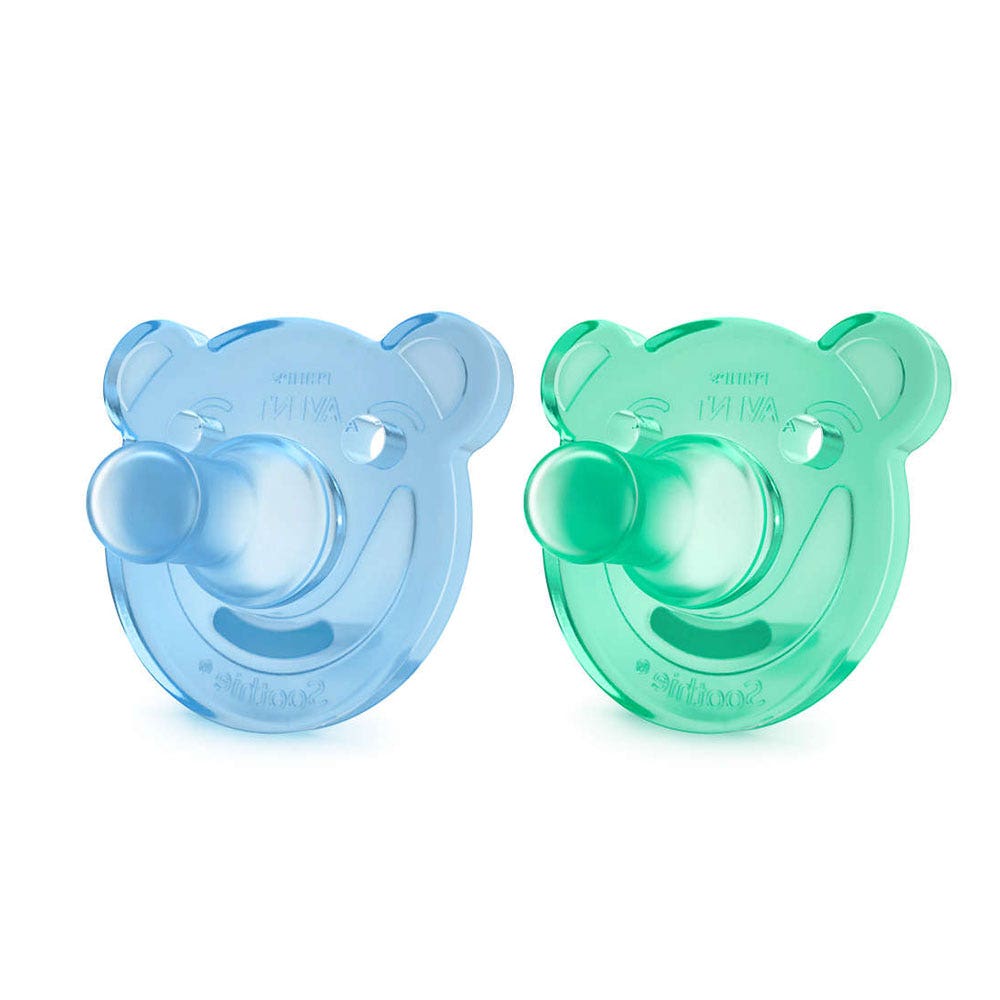
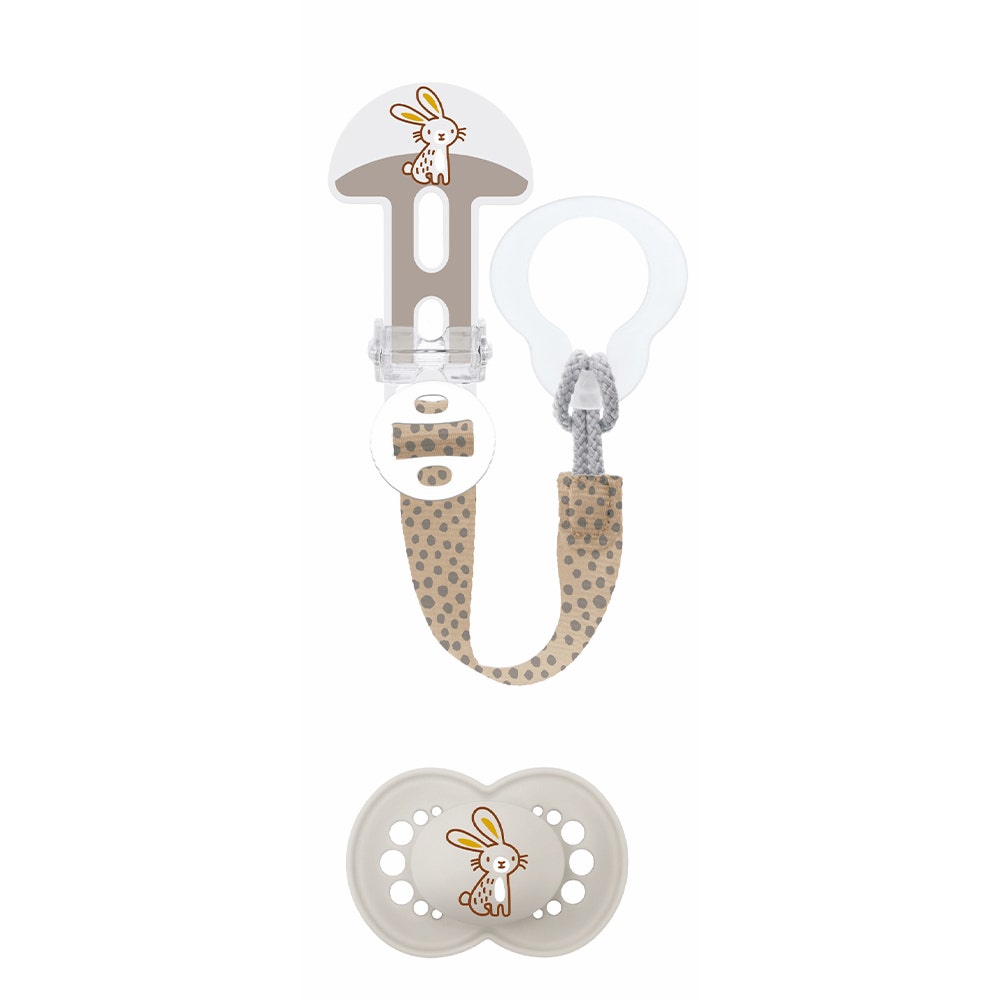
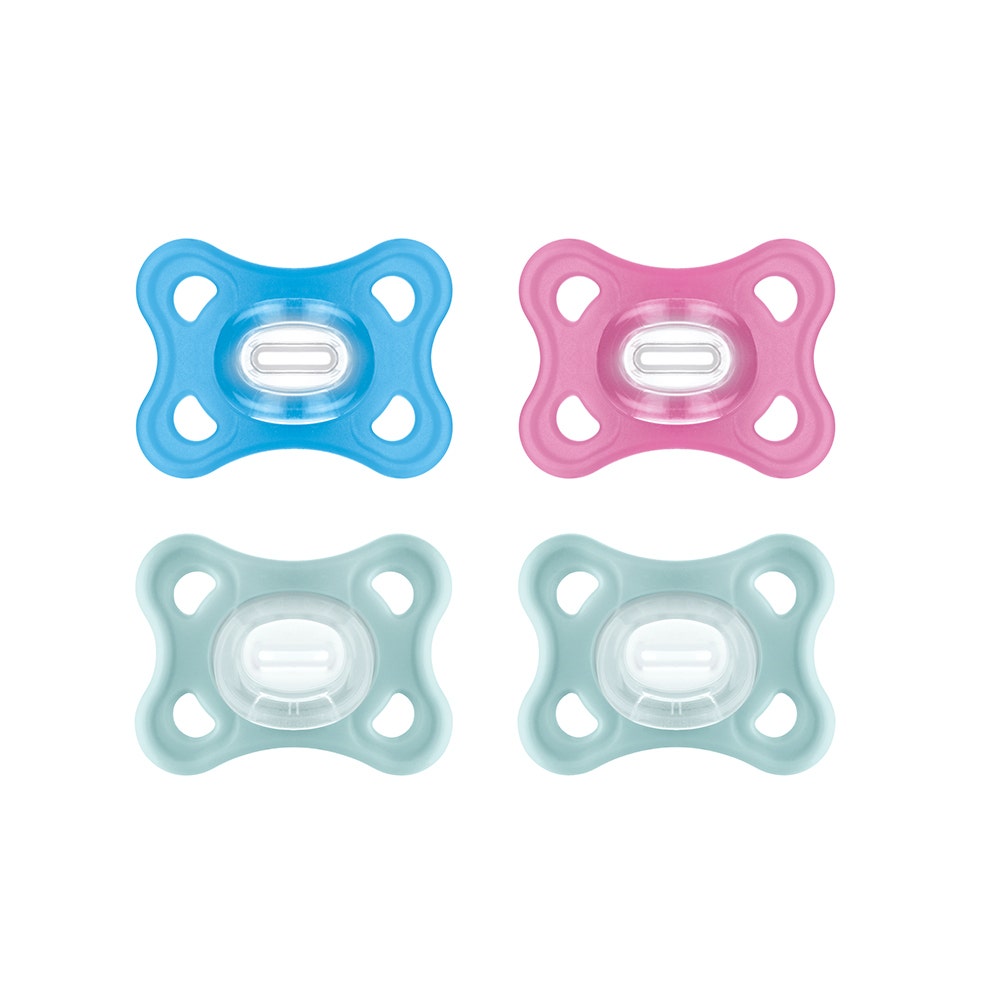
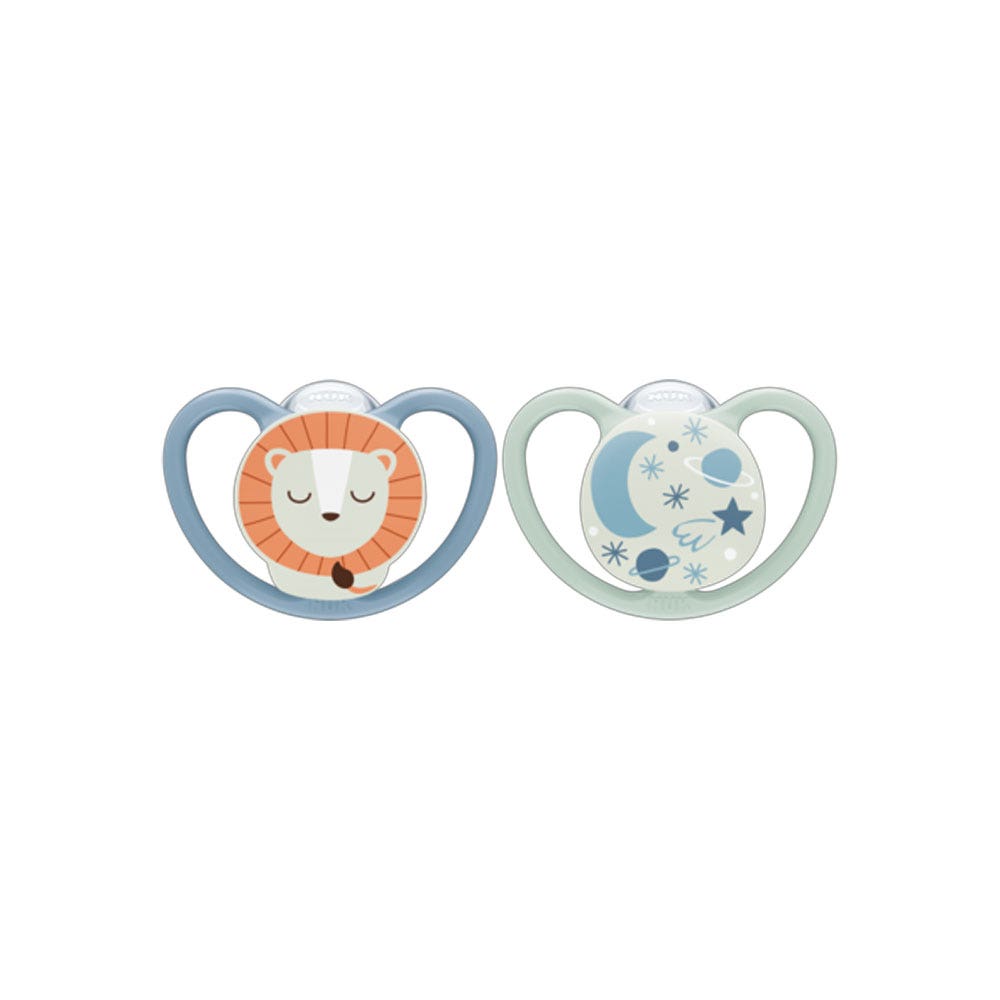
To help you choose the right pacifier for your baby, our experts invite you to discover their top selection. In this guide, they present pacifiers for every preference and age group. Choosing the right one is essential, which is why it is important to take your time. We recommend carefully reading the materials list as well as the various customer reviews on our site. Finally, when ordering your pacifier, remember to double-check the age range to ensure the product is perfectly suited to your baby’s stage of development.
Among our selection of the best baby pacifiers, we recommend the Philips Avent silicone pacifier for newborns. This orthodontic pacifier is designed to promote healthy oral development and is made from medical-grade silicone for safe and hygienic use. For older babies, we suggest the NUK latex pacifier, which is soft and flexible for optimal sucking comfort. Finally, for toddlers with growing teeth, the MAM flat-teat pacifier is an excellent option for minimizing pressure on the palate and teeth. Whichever you choose, be sure to read labels and instructions carefully to ensure the pacifier matches your baby’s age and individual needs.
-
From birth for bottle-fed babies
-
After 4 to 6 weeks for breastfed babies, to avoid disrupting the latch
- It is important to observe the baby’s reactions and respect their own pace
-
Non. La sucette :
- ne nourrit pas bébé,
- ne doit jamais remplacer une tétée ou un biberon,
- sert uniquement d’outil de réconfort.
-
Silicone: Durable, easy to clean, tasteless, and odorless
-
Latex: Softer and more natural, but wears out more quickly
-
The choice often depends on your baby’s individual preferences
-
Yes, absolutely:
-
Daily cleaning
-
Regular sterilization (especially for infants)
-
Replacement as soon as it is damaged or worn out
-
A pacifier must always be clean and in good condition.
-
No. Some babies prefer:
-
Physical contact (skin-to-skin or being held)
-
Rocking or gentle swaying
-
A “lovie” or security toy (comfort object)
-
The most important thing is that your baby finds their own way to feel safe and reassured.
-