
Top 5 infant formulas


Nutrition has a major influence on the growth and development of infants. While breast milk is the most recommended option, there are situations in which parents need to turn to alternatives such as infant formulas. Faced with the wide range of choices available on the market, it can be difficult to determine the best options to ensure your baby’s health and well-being. That is why we have carefully reviewed and selected the top 5 best infant formulas to help you make an informed choice. In this article, we will go over the selection criteria, such as nutritional composition, digestibility, absence of allergens, and compliance with quality standards. We will also present the advantages and disadvantages of each of these infant formulas, in order to provide you with a comprehensive guide to choosing the best option for your child based on their specific needs.
Infant formula: key points to remember
- Breastfeeding first: Breast milk remains the ideal reference food; the infant formulas presented here are regulated alternatives for supplementation or weaning.
- Age-appropriate formula: Follow-on milk (2nd stage) is intended for babies aged 6 to 12 months, while growing-up milk (3rd stage) is suitable from 1 to 3 years to help meet iron requirements.
- Medical advice required: Any change of formula or choice of a specific product (thickened, rice protein–based, lactose-free) must always be made on the advice of a GP or pharmacist.
- Regulated composition: All formulas must contain DHA (omega-3) and comply with strict European standards, whether organic or conventional.
- Golden rule for preparation: Always follow the recommended dosage of one level scoop of powder per 30 ml of water to avoid nutritional imbalance or digestive discomfort.
Important: Breast milk remains the ideal food for every infant. It perfectly adapts to their specific needs and provides unmatched immune protection. However, if you cannot or choose not to breastfeed, a healthcare professional will guide you toward a suitable infant formula. This article is intended to help you navigate the available options for follow-on and growing-up milks, designed for children over 6 months of age. Never change your baby’s milk without the advice of your GP or pharmacist.
What is an infant formula
An infant formula is a food preparation specially designed to meet the nutritional needs of babies who are not breastfed or who require a supplement to breastfeeding. These formulas are developed to be as close as possible to the composition of breast milk and to provide the essential elements for the physical and cognitive development of infants. Infant formulas are generally made from cow’s milk or goat’s milk proteins, but there are also alternatives based on plant proteins for children who are allergic or intolerant.
Infant formulas are available in several categories depending on the child’s age, from birth up to three years old. The main categories are infant milk (0–6 months), follow-on milk (6–12 months), and growing-up milk (1–3 years). Each category is adapted to the specific nutritional needs of children at each stage of their development. It is essential to recall that the WHO (World Health Organization) recommends that newborns be breastfed within the first hour after birth and exclusively until 6 months of age. They also recommend maintaining breastfeeding for as long as possible.
The composition of infant formulas is strictly regulated to ensure a balanced intake of nutrients. The main components of these preparations include proteins, fats, carbohydrates, vitamins, and minerals. Proteins are essential for the growth and development of muscles, bones, and organs. Fats provide energy and contribute to brain development. Carbohydrates are an additional source of energy to support the rapid growth of infants. Infant formulas also contain vitamins and minerals that are essential for proper bodily functions. Among these vitamins are vitamin A for vision, vitamin D for calcium absorption, and vitamin C for the immune system.
Minerals such as calcium, iron, and zinc play an important role in bone formation, red blood cell production, and the regulation of various cellular functions. In addition to these elements, some infant formulas are enriched with probiotics and prebiotics to promote a healthy gut flora and strengthen the immune system. Probiotics are beneficial bacteria, while prebiotics are dietary fibers that nourish these bacteria.
The choice of an infant formula should be adapted to the specific needs of each child, taking into account factors such as age, allergies, and food intolerances. It is always recommended to consult a healthcare professional before choosing an infant formula for your baby, to ensure they receive adequate and balanced nutrition.
What is the best milk option for your baby?
| Infant formula | Recommended age | Type of protein | Ideal for | Main benefits |
|---|---|---|---|---|
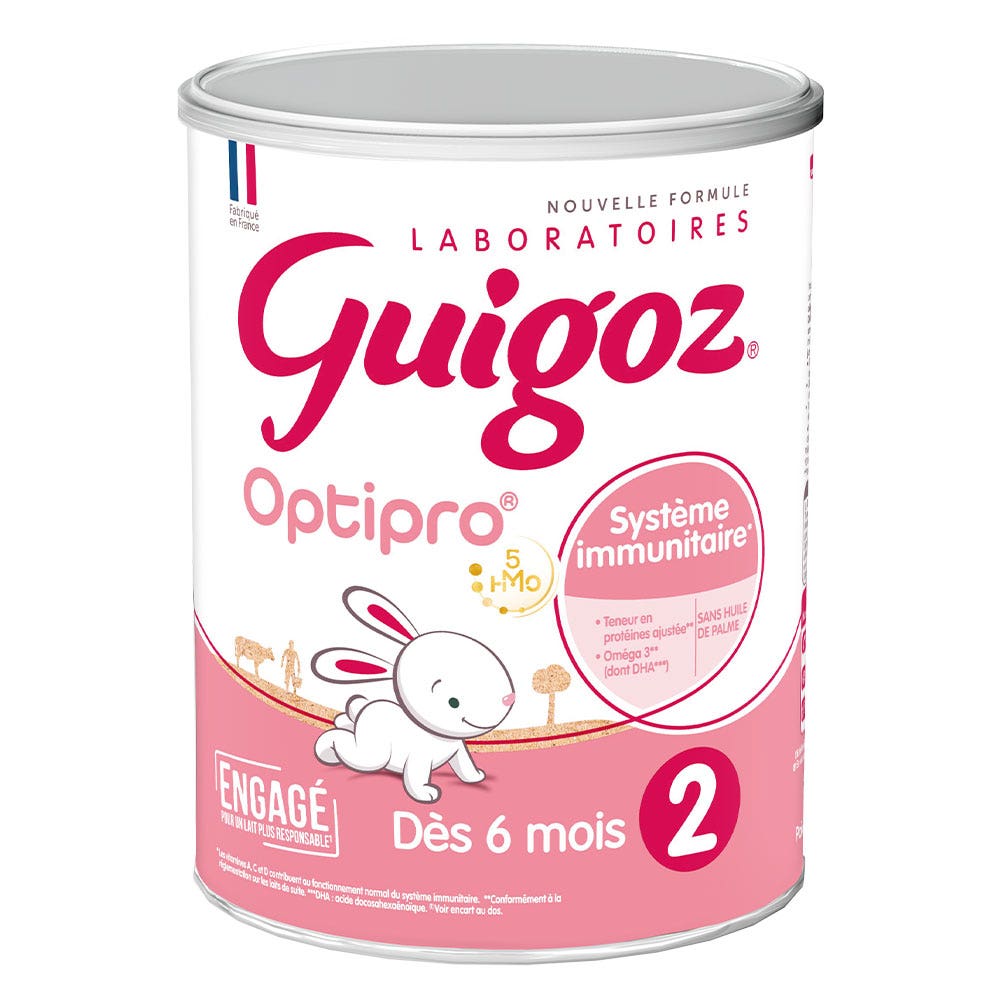
| Guigoz Optipro 2 | 6 to 12 months | Cow’s milk proteins |
|
|
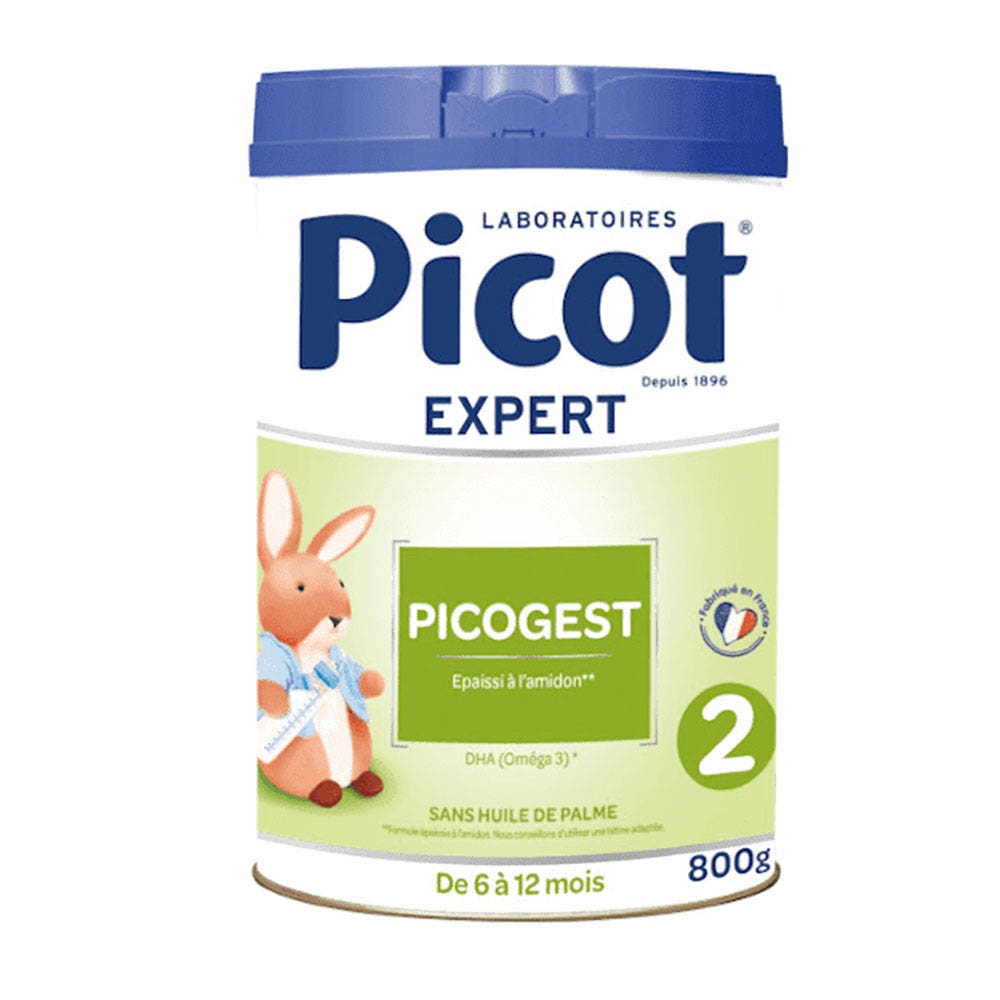
| Picot Picogest 2 | 6 to 12 months | Cow’s milk proteins |
|
|
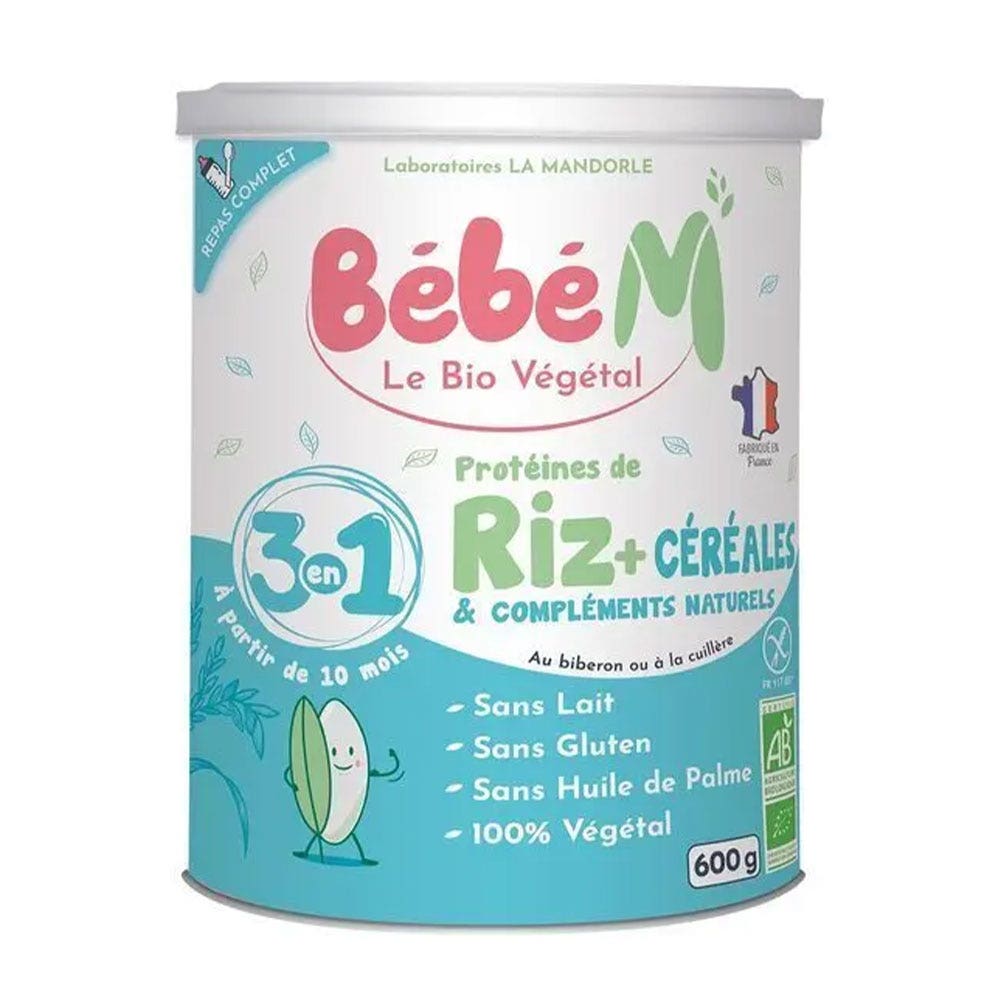
| La Mandorle Baby M Rice & Organic Cereals | From 10 months | Rice proteins (plant-based) |
|
|
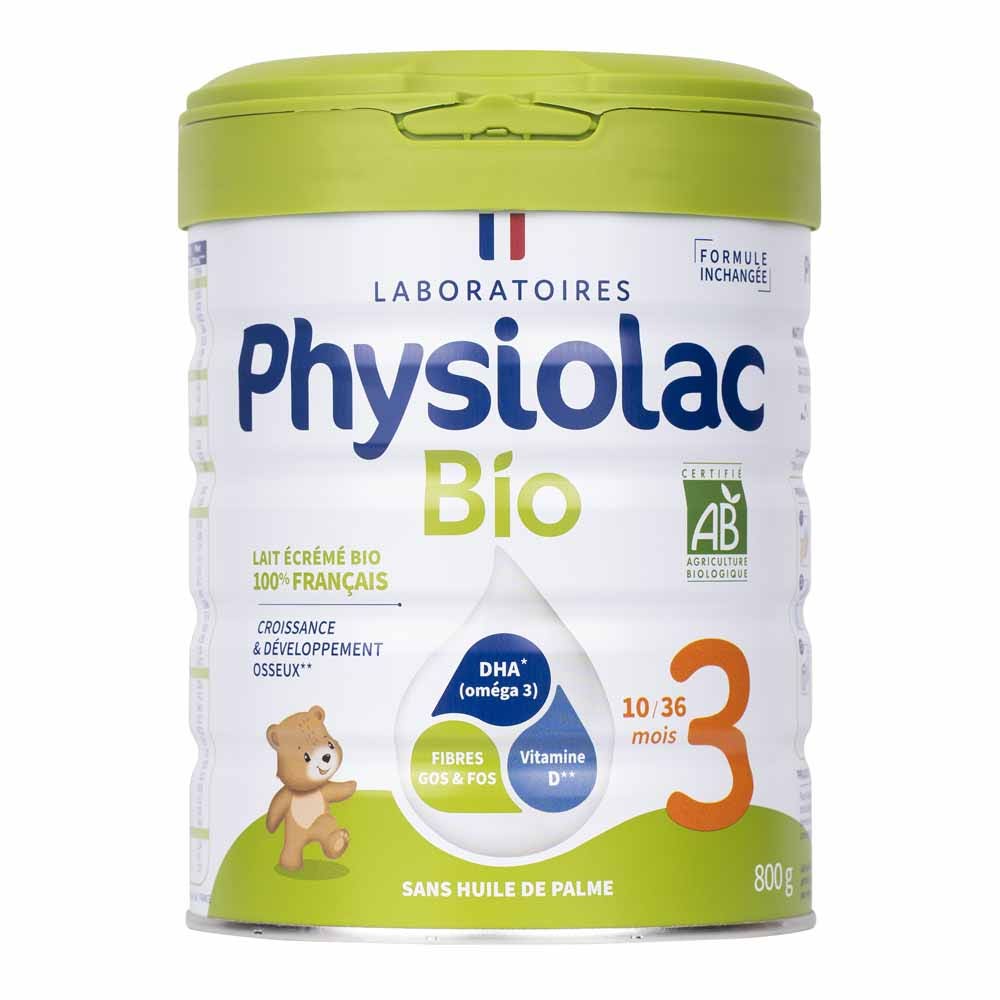
| Physiolac Organic Growth 3 | From 10 months | Cow’s milk proteins |
|
|
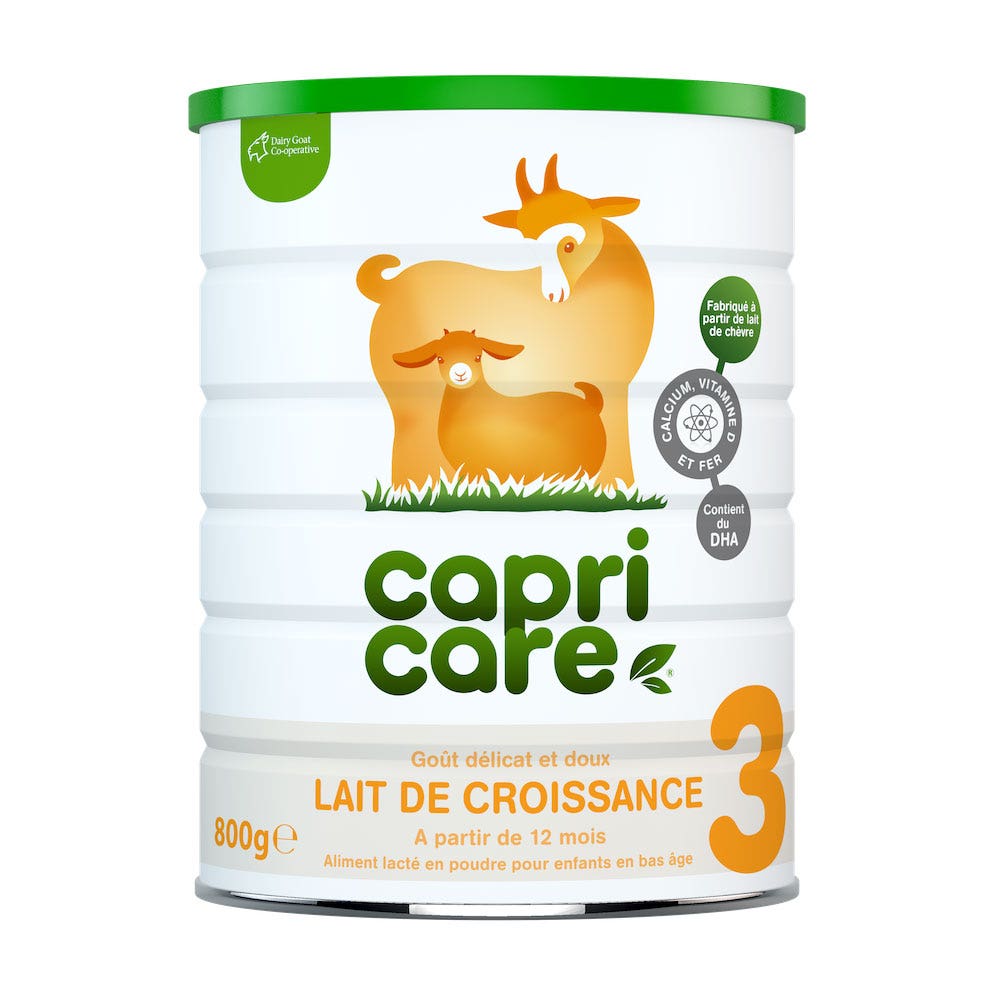
| Capricare Goat Milk 3 | From 12 months | Goat’s milk proteins |
|
|
Please note that the choice of infant formula depends on the specific needs of each baby, and a formula that suits one child may not be suitable for another. It is therefore essential to consult a GP before choosing an infant formula for your child.
1. Guigoz – Optipro 6–12 Months
Ingredients
This powdered milk contains cow’s milk proteins, vegetable oils (palm, coconut, rapeseed, sunflower), lactose, and a complete blend of vitamins and minerals required for the development of babies aged 6 to 12 months.
Product benefits
- Supports balanced growth: The formula enriched with vitamins and minerals, including iron and calcium, helps promote healthy and balanced growth. These nutrients are essential for bone development and red blood cell formation.
- Supports brain development: Thanks to the addition of DHA and ARA, this formula contributes to brain and eye development, which are essential for cognitive and visual functions.
- Improved digestion: The presence of prebiotic fibers helps maintain a healthy intestinal flora, supporting digestion and reducing the risk of common digestive issues such as colic and gas.
Customer review
“Guigoz Optipro powdered milk is perfect for my baby. My newborn transitioned from breastfeeding to powdered milk very naturally. Now 12 months old, he digests it perfectly without any digestive issues. I am very satisfied with this product and highly recommend it.”
2. Picot – Picogest 2
Ingredients
This powdered milk is thickened with starch for babies aged 6 to 12 months. It contains cow’s milk proteins, vegetable oils, lactose, and a complex of vitamins and minerals to meet infants’ nutritional needs.
Product benefits
- Reduces regurgitation: Formulated with starch, this milk has a thicker consistency that helps reduce regurgitation and improves digestive comfort.
- Supports intestinal health: Enriched with prebiotic fibers, it helps maintain a healthy balance of gut flora, aiding digestion and preventing gastrointestinal discomfort.
- Complete nutritional intake: Provides a balanced supply of essential nutrients, including fatty acids, vitamins, and minerals, supporting harmonious growth and development.
Customer review
“The best powdered milk. No more colic since we started using Picogest 2. My 6-month-old baby seems much more comfortable and satisfied after every meal. The starch-thickened formula is ideal for reducing regurgitation, and we’ve noticed a clear improvement in digestive comfort. Preparation is quick and easy, which is a huge plus for busy parents.”
3. La Mandorle Baby M – Rice Proteins & Cereals
Ingredients
This organic formula is made from rice proteins, cereals, and natural supplements, specially designed for babies from 10 months onwards. It includes essential vitamins and minerals for healthy development.
Product benefits
- Hypoallergenic and vegan: Ideal for babies with cow’s milk protein allergies or for parents seeking a plant-based option.
- Enriched with organic nutrients: Contains organic cereals and natural supplements that provide fibers, vitamins, and minerals for balanced nutrition.
- Easy to digest: The combination of rice proteins and cereals is easily digestible, reducing the risk of colic and digestive discomfort.
Customer review
“A very good plant-based alternative to traditional formulas. After over a year of breastfeeding, my baby accepted this growth milk very well. As we avoid animal products due to intolerance, Baby M is perfectly suitable. The price is reasonable compared to organic stores. Highly recommended.”
4. Physiolac Organic Growth Milk 3
Ingredients
This organic growth milk is formulated with cow’s milk proteins, vegetable oils (palm, rapeseed, sunflower), lactose, and a blend of vitamins and minerals adapted for babies from 10 months.
Product benefits
- Certified organic: Meets organic farming standards, ensuring no pesticides or chemical additives for healthier nutrition.
- Supports growth: Enriched with iron and calcium to strengthen bones and support healthy growth.
- Boosts immune development: Prebiotics help promote a healthy gut flora, strengthening the immune system.
Customer review
“Excellent product. Recommended by a pharmacist friend, my daughter accepted it immediately after being exclusively breastfed until age one. The transition was smooth, digestion improved, and sleep became more peaceful. The organic certification is a real plus.”
5. Capricare Goat Milk Powder – 3rd Stage
Ingredients
This powdered milk is made from goat’s milk, including goat milk proteins, vegetable oils (palm, rapeseed, sunflower), lactose, and essential vitamins and minerals for babies from 12 months.
Product benefits
- An alternative to cow’s milk: Goat milk is often better tolerated by babies with cow’s milk intolerance due to its more digestible proteins.
- Rich in natural nutrients: Naturally contains amino acids, calcium, and vitamins, offering complete and balanced nutrition.
- Supports digestion: Easier-to-digest proteins help reduce colic and regurgitation, while natural prebiotics support healthy gut flora.
Customer review
“This milk is extremely easy to digest. It suits my little girl perfectly and has done so since birth. Since switching to Capricare, she no longer has digestive issues, grows well, and gains weight steadily. She also loves the taste. I highly recommend it.”

Which infant formula should you choose?
Choosing a baby formula is crucial for several reasons. First of all, breast milk is often considered the ideal nutrition for infants due to its optimal nutritional composition and immune-supporting properties. However, for various reasons, breastfeeding may not be possible or sufficient for some babies, and an appropriate alternative must then be found.
Baby formulas are specially designed to meet the nutritional needs of infants and ensure healthy growth and development. They contain essential nutrients such as proteins, fats, carbohydrates, vitamins, and minerals, which are necessary to support babies’ rapid growth during their first years of life.
Choosing according to your baby’s needs
Baby formulas are classified into different categories based on the child’s age. It is important to choose a formula adapted to your baby’s age to meet their specific nutritional needs. Infant formulas are suitable for babies from 0 to 6 months, follow-on formulas are intended for babies from 6 to 12 months, and growing-up milks are designed for children from 1 to 3 years old. In addition, some babies may be allergic or intolerant to cow’s or goat’s milk proteins. In such cases, it is important to choose hypoallergenic formulas or plant-protein-based formulas, such as soy- or almond-based milks. Always consult a healthcare professional before choosing a formula for a baby with allergies or food intolerances.
Taking the composition into account
It is essential to compare the nutritional composition of different baby formula brands to ensure they meet the standards set by health authorities. Baby formulas must contain an adequate balance of proteins, fats, carbohydrates, vitamins, and minerals to support infant growth and development. You can also look for additional beneficial ingredients in the formula. Some baby formulas are enriched with probiotics, prebiotics, omega-3 fatty acids (DHA and ARA), and nucleotides. These ingredients can offer additional health benefits, such as strengthening the immune system, improving digestion, and supporting brain development.
Extra tip: Take into account ease of preparation and storage. Preparing and storing baby formula are important factors to consider when choosing a product. Powdered formulas are generally easier to store and transport, while ready-to-use liquid formulas are more convenient for immediate use. Ease of preparation and the time required to mix powdered formula with water can also influence your choice. Make sure to choose a baby formula that suits your lifestyle and preparation preferences.
Choosing a baby formula is an important decision that should be made by taking several factors into account, such as the child’s age, allergies or food intolerances, nutritional composition, additional beneficial ingredients, ease of preparation and storage, price and availability, reviews and recommendations, as well as the advice of a healthcare professional. By considering these elements, you will be able to choose the baby formula best suited to your child and ensure healthy growth and development.
How can I tell if the formula is suitable for my baby?
To determine whether the chosen formula is suitable for your baby, carefully observe their reactions after meals. Signs such as excessive crying, frequent regurgitation, vomiting, skin rashes, or facial swelling may indicate an intolerance or allergy to the proteins present in the formula. In addition, some babies may experience digestive issues, such as slow bowel movements or recurring constipation.
It is recommended to consult your GP if such symptoms appear. Cow’s milk protein allergy is one of the most common allergies in infants and may require a change of formula.
Hypoallergenic formulas containing extensively hydrolyzed cow’s milk proteins, or rice- or soy-based formulas, may be offered as alternatives.
It is crucial to change formulas gradually, usually by starting to mix the new formula with the old one, to avoid shocking the baby’s digestive system.
Also note that every child is unique, and it is not uncommon to try several types of formula before finding the one that suits your baby best.
What are the best first-stage infant milks?
Choosing the right milk for your baby’s first bottles is a crucial step that should not be taken lightly, as it ensures proper nutrition. Breast milk is the best possible choice for infants, as it contains all the nutrients necessary for their growth and development, as well as antibodies that strengthen their immune system. However, if breastfeeding is not possible or sufficient, there are infant formulas specially designed to meet babies’ needs from birth.
For the first bottles, choose an infant formula, also known as first-stage formula or stage 1 milk. These formulas are designed for babies from 0 to 6 months and are adapted to their specific nutritional needs. They are generally based on cow’s milk or goat’s milk proteins, but there are also hypoallergenic alternatives or plant-protein-based formulas for babies who are allergic or intolerant.
When choosing a formula for the first bottles, make sure it meets the quality and safety standards established by health authorities. Check the nutritional composition to ensure it complies with recommendations and look for formulas enriched with essential fatty acids, such as omega-3s (DHA and ARA), which support brain and vision development.
In addition, we strongly recommend always consulting a healthcare professional before choosing a formula for your baby’s first bottles. They can advise you on the formula best suited to your child’s specific needs and provide guidance on preparation and feeding frequency.
Which milk is closest to breast milk?
Among the formulas closest to breast milk are certain infant formulas specifically designed to mimic its composition. Modilac Bio Doucéa 1, for example, is formulated to closely match the specific nutritional needs of newborns. However, no infant formula can perfectly replicate the composition of breast milk, which contains, among other things, antibodies that are highly beneficial to a baby’s immune system.
In general, infant formulas are made from cow’s milk, which undergoes numerous transformations to adapt it to infants’ needs. The addition of probiotics, fibers, unsaturated fatty acids, and other beneficial substances helps enrich these formulas. Another milk sometimes mentioned as being close to breast milk is mare’s milk infant formula, which is rich in iron, vitamin D, vitamin C, and calcium.
What are the different types of infant formulas?
| Type of infant formula | Recommended age | Main composition | Indications / For which babies? | Key benefits | Points to watch |
|---|---|---|---|---|---|
| Stage 1 formula | 0 to 6 months |
|
|
|
|
| Stage 2 formula (follow-on milk) | 6 to 12 months |
|
|
|
|
| Stage 3 / growing-up milk | 1 to 3 years (sometimes up to 4–6 years) |
|
|
|
|
| Standard formulas (cow’s milk-based) | According to age (stage 1, 2, or 3) |
|
|
|
|
| Hypoallergenic formulas (HA) | From birth (preventive use) |
|
|
|
|
| Rice-based formulas | From birth depending on formula |
|
|
|
|
| Anti-regurgitation formulas (AR) | From birth depending on formula |
|
|
|
|
| Thickened formulas | 0 to 12 months depending on product |
|
|
|
|
Practical guide to preparing baby bottles
Hygiene is the golden rule when preparing a baby bottle. Always wash your hands before handling the equipment. The bottle and the teat must be perfectly clean. Systematic sterilization is no longer mandatory according to the latest recommendations, except for premature babies or very fragile infants. However, thorough cleaning with a bottle brush and hot soapy water, followed by careful rinsing, is essential after each use.
Use low-mineral water labeled “suitable for preparing infant food.” If you use tap water, let it run for a few seconds before filling the bottle and use only cold water (never hot tap water, which may contain more microbes or residues from the pipes). Always respect the dosage: one level scoop of powder for 30 ml of water. Overdosing may lead to dehydration and constipation, while underdosing will not provide enough nutrition for your baby.
Once the mixture is prepared, shake the bottle horizontally by rolling it between your hands, then vertically. Always check the temperature by placing a few drops on the inside of your wrist. The milk should be lukewarm—neither hot nor cold. Once prepared, the bottle must be consumed within one hour. Always discard any leftover milk from an unfinished bottle, as bacteria multiply very quickly in this nutrient-rich environment.