Top 5 Best Wart Treatments

Warts are invasive and often unsightly growths caused by a contagious infection. They typically affect the areas most in contact with pathogens: the hands and feet. During the summer, when we are more exposed, we are logically more prone to developing them… In some individuals, there may even be a predisposition to the spread of warts. Fatigue can also play a role. So, what are the solutions for getting rid of warts?
Warts: Key Takeaways
- Viral Origin: Warts are caused by the Human Papillomavirus (HPV), which is highly contagious.
- Target Areas: They primarily affect the hands and feet (plantar warts).
- The Immunity Link: Fatigue and a weakened immune system make it easier for the virus to take hold.
- Home Care: Effective over-the-counter (OTC) treatments exist, meaning no doctor’s appointment is required for most cases.
- Stop the Cycle: Consistent prevention is essential to avoid recurrences and spreading the virus to others.
The Best Solutions for Warts
Looking to treat one or more warts, but finding it impossible to book a dermatologist appointment? Don’t panic! Easypara offers home treatments that are just as effective, provided you stick to a regular routine. We invite you to discover the 5 best anti-wart solutions to get rid of these unsightly growths without needing to see a skin professional.
1. Cryotherapy Treatment (Freezing)
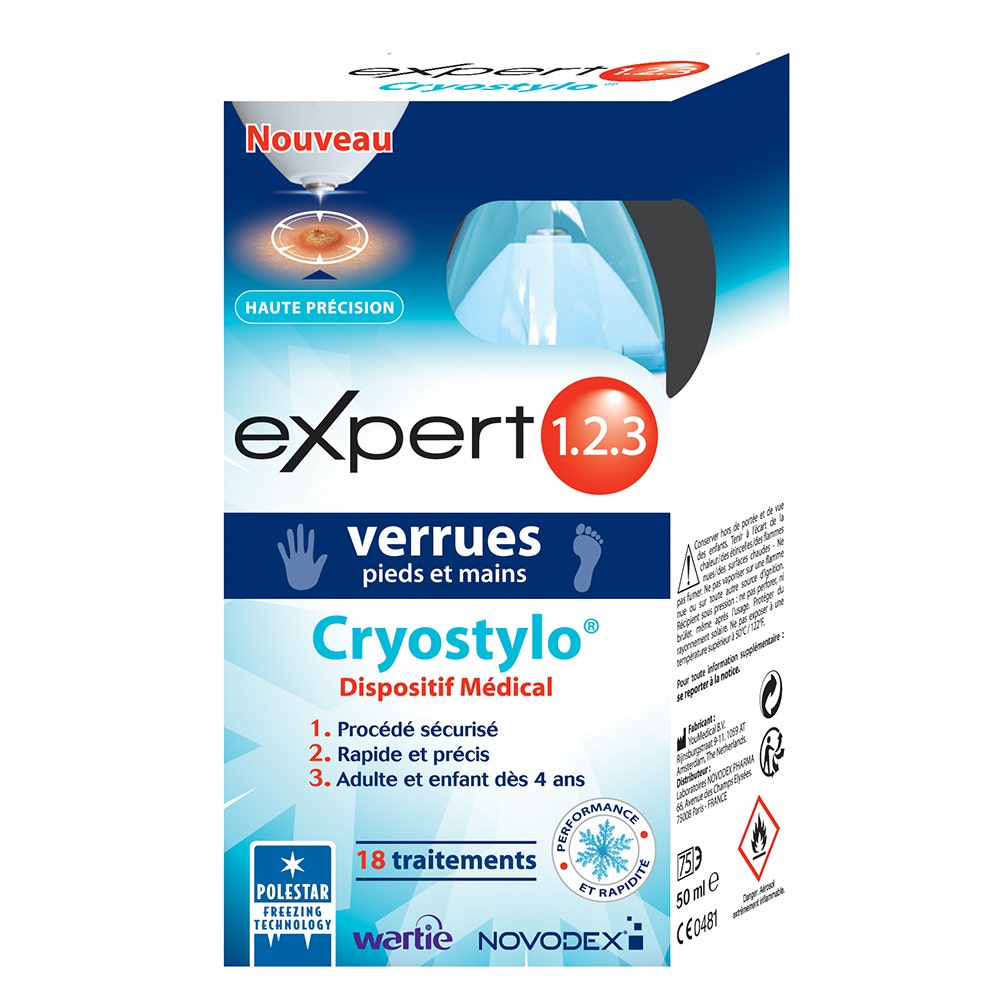
Usually performed by dermatologists, cryotherapy can now be done at home. Most kits include protective plasters; if not, apply clear nail polish around the wart to protect healthy skin. The Cryo-pen is practical and precise, freezing the wart at its core. A few applications are usually enough to eradicate the wart, which typically falls off within a month.
-
Benefits: Professional-grade efficiency at home, pinpoint precision to avoid irritating healthy skin, and cost-effective (up to 18 treatments per pen).
2. Formic Acid Treatment
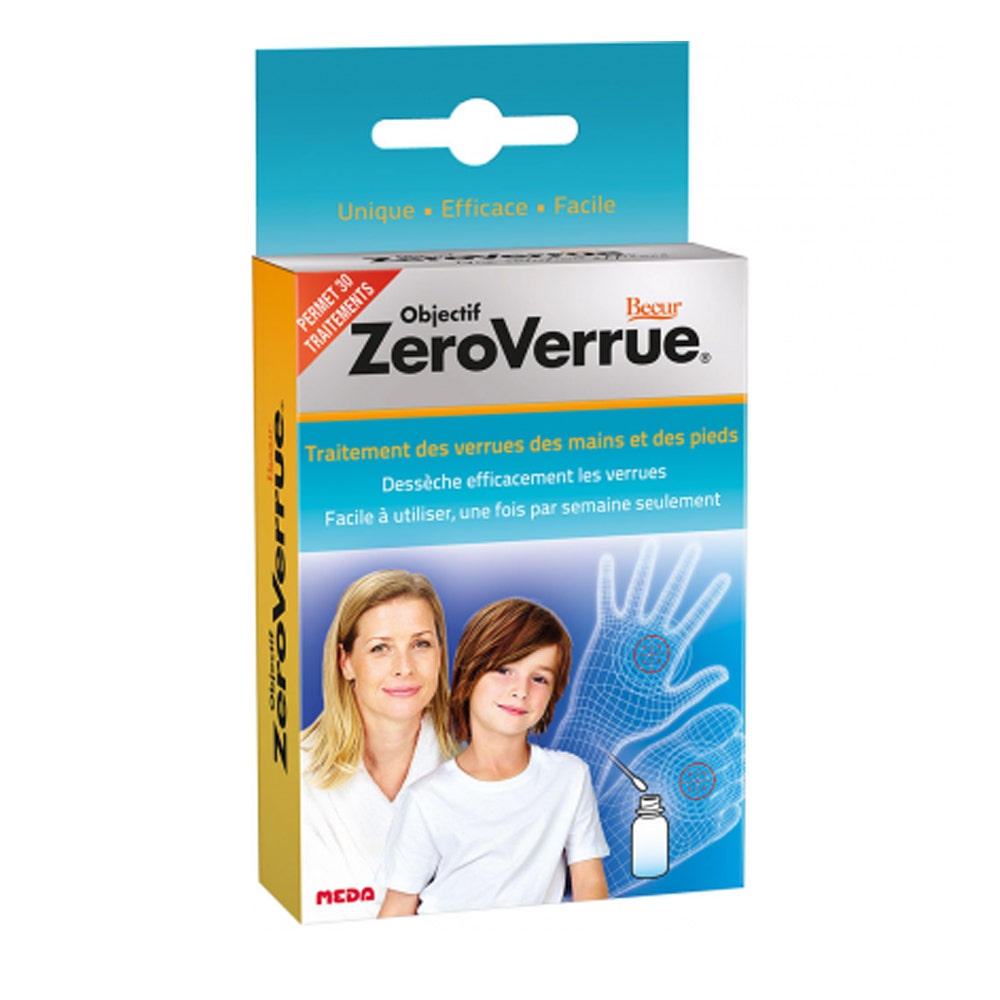
Formic acid is a less aggressive but highly effective “war on warts.” It requires more applications (5 to 15) but is much less painful.
-
Benefits: Simple weekly application, painless drying process (ideal for children or sensitive areas), and safe for pregnant women or people with diabetes.
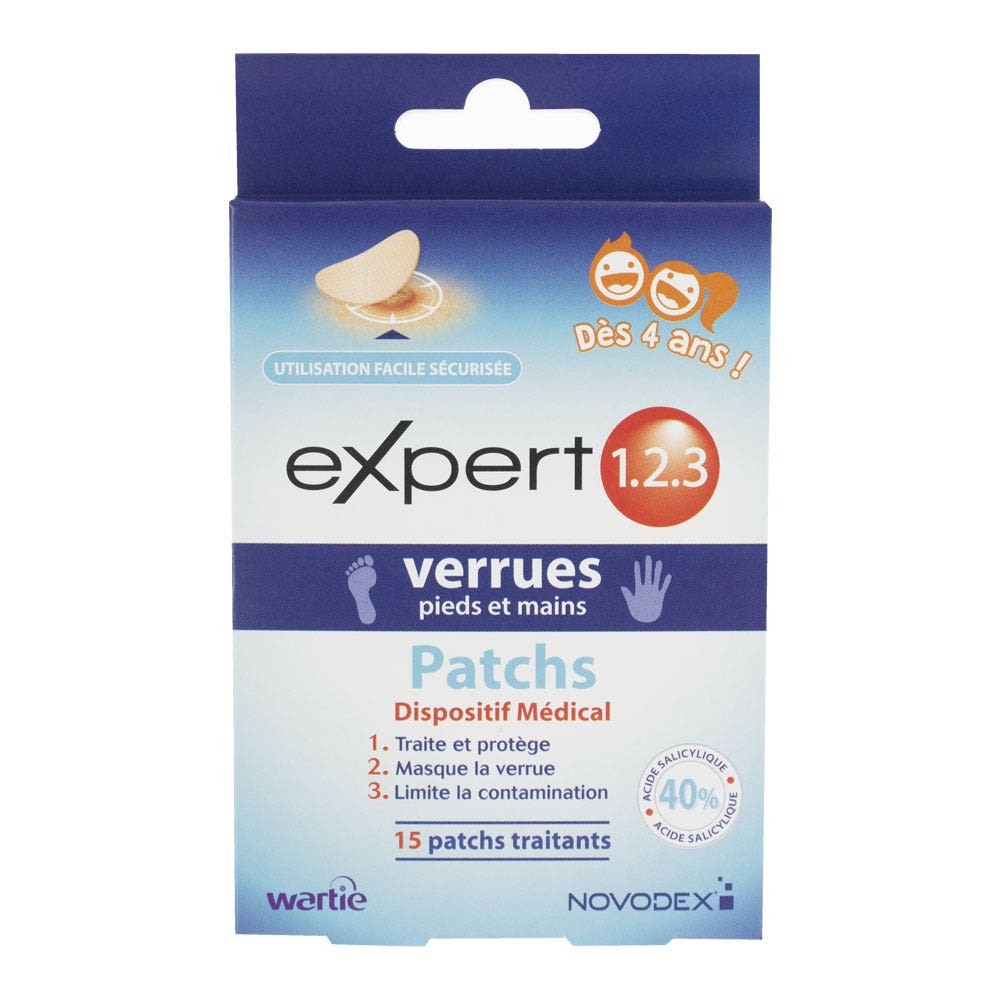
3. Anti-Wart Patches: Practical & Easy
An innovative and discreet method. These patches contain active ingredients that target the wart directly for progressive removal.
-
Benefits: Dual action (treats while protecting the area), prevents cross-contamination, and uses 40% Salicylic Acid to dissolve wart tissue at the source.
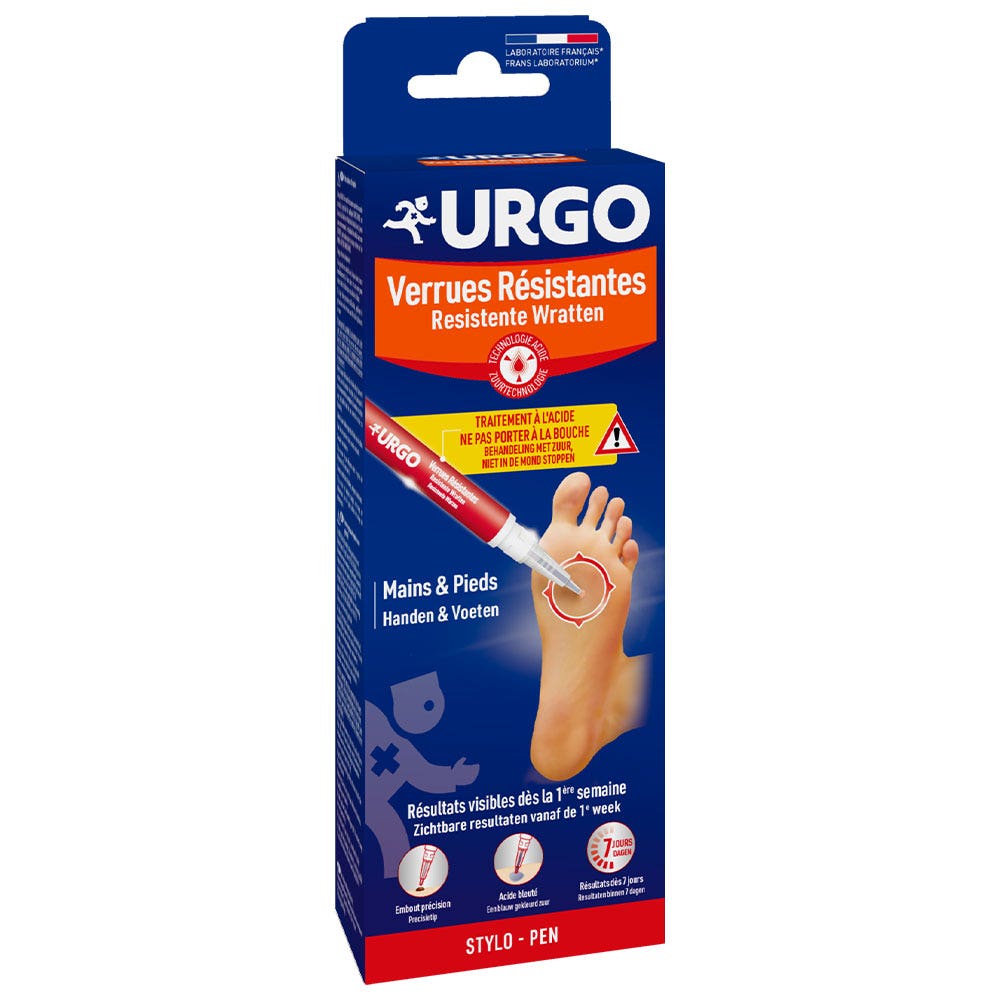
4. Resistant Warts: Hands & Feet Focus
For stubborn or recurring warts, Urgo Resistant Warts Pen uses a powerful acid (TCA-Active™) to tackle the most recalcitrant cases.
-
Benefits: Visible results in just 7 days, a blue gel formula for easy identification of the treated area, and a precision tip for maximum safety.
5. Preventing Recurrence
If you are prone to frequent warts, daily cleansing solutions enriched with Tea Tree oil are an essential preventative step.
-
Benefits: Natural antifungal/antiviral protection, soap-free formula that respects the skin’s pH, and ideal for daily family hygiene to stop the cycle of infection.
What is a Wart? Types and Causes
Warts are skin growths caused by the Human Papillomavirus (HPV), a widespread virus that can infect the skin or mucous membranes. They are generally benign and appear as hard, rough bumps on the skin, often compared to miniature cauliflowers. Most warts are harmless and may disappear on their own over time; however, they can be unsightly and sometimes painful, depending on their location.
There are several types of warts, each appearing on different parts of the body and having a distinct appearance. Common warts (verruca vulgaris) are usually found on the hands and fingers. Plantar warts develop on the soles of the feet and can be particularly uncomfortable due to the pressure exerted while walking. Flat warts tend to affect the face, arms, and legs; they are smaller and less rough. Filiform warts develop around the mouth, nose, or neck. Each type of wart is specific to a particular strain of HPV.
HPV is transmitted through direct contact with a wart or a contaminated surface, such as communal shower floors or gym mats. Once the virus enters the skin—often through a cut or scratch—it causes rapid cell growth on the skin’s surface, forming a wart. The immune system plays a crucial role in the body’s ability to fight HPV, which is why warts are more common in children and individuals with weakened immune systems. Prevention mainly involves maintaining good hygiene practices, such as washing hands regularly and wearing shoes in damp public spaces.
How to recognize a wart? Symptoms and Diagnosis
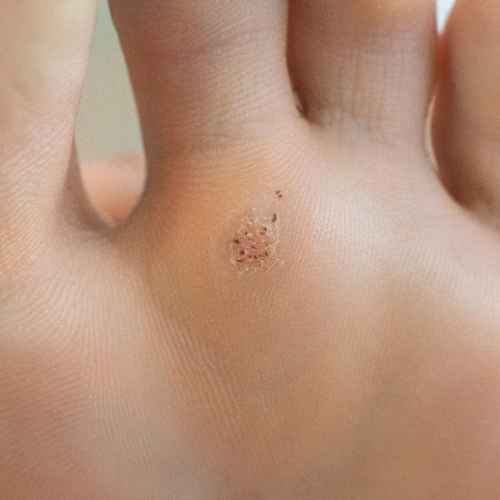
Recognizing a wart involves carefully observing the skin’s characteristics. While warts vary in appearance, they share common traits that make identification easier. Typically, a wart appears as a hard, rough skin growth with a grainy surface. Often, small black dots resembling seeds (thrombosed capillaries) are visible on the surface. These growths can appear individually or in clusters.
Symptoms associated with warts depend on their location. For instance, plantar warts on the feet can be painful, especially when walking, while warts on the fingers may not cause significant discomfort. Generally, warts are painless unless they are located in areas subject to repeated friction or pressure. Although most warts are harmless, their presence can cause aesthetic or emotional distress for some.
Diagnosis is usually performed through a visual examination by a doctor or dermatologist. Professionals identify warts by their distinctive features. In cases where the diagnosis is unclear, a biopsy may be necessary. This procedure involves taking a small skin sample to examine under a microscope, helping to confirm the presence of HPV and rule out other conditions such as cutaneous horns, herpes, or certain types of skin cancer. It is vital to consult a healthcare professional for an accurate diagnosis, especially if the wart changes size or color, or becomes painful.
How to prevent warts from appearing?
How to Prevent Warts: Expert Advice
Stopping HPV (Human Papillomavirus) starts with two things: limiting exposure and boosting your natural defenses.
- Hygiene First: Wash hands frequently and keep feet clean and dry. Moisture is the virus’s best friend!
- The “Flip-Flop” Rule: Never walk barefoot in communal showers, gyms, or pool decks.
- Hands Off: Avoid touching warts (yours or others). HPV spreads easily through skin-to-skin contact.
- Skin Integrity: Cover cuts or scrapes with bandages. Dry, cracked skin is an open door for infection—keep it moisturized!
- Immune Support: Prioritize sleep, nutrition, and stress management. A tired body is a vulnerable body.
- Vaccination: Talk to your doctor about the HPV vaccine; it can protect against the specific strains that cause warts
Prevention significantly lowers your risk, but if a wart appears, don’t wait! Early treatment is much easier than treating a long-term infection.