Top 5 best sulfate-free shampoos

If there is one ingredient that is becoming increasingly controversial and that you may prefer to avoid in shampoos, it is sulfate, particularly in the form of SLS (Sodium Lauryl Sulfate). Indeed, it can be aggressive for certain hair types, such as fine and fragile hair. It can also weaken the scalp. Increasingly sought after and popular, sulfate-free and silicone-free shampoos provide gentle cleansing for your hair. We have therefore put together a list of the best sulfate-free shampoos and their benefits.
Key information – What you need to know
- Sulfates (SLS, SLES, etc.) can irritate the scalp and weaken the hair fiber, especially in fine or sensitive hair.
- Sulfate-free shampoos better respect the scalp’s natural balance and help limit breakage, dryness, and loss of shine.
- A 6 to 7 wash adjustment phase is normal before experiencing the full benefits of going sulfate-free.
- The best sulfate-free shampoos often combine gentle cleansing agents, soothing active ingredients, plant oils, and natural processes.
- The right choice depends on your hair type, your skin sensitivity, and your needs: shine, hydration, detox, anti-metal care, sensitive scalp, etc.
What are the best sulfate-free shampoos?
To make the best choice of a sulfate-free shampoo, several criteria should be taken into account. First and foremost, the product’s effectiveness. Some sulfate-free shampoos are particularly appreciated for their proven results. Among the most recommended are:
| Product | Ideal for | Main benefits | Key strength |
|---|---|---|---|
| L’Oréal Professionnel Metal Detox | Color-treated hair / hair exposed to metals | Patented glicoamine, internal fiber detox | Neutralizes metals responsible for 87%* of color-related breakage |
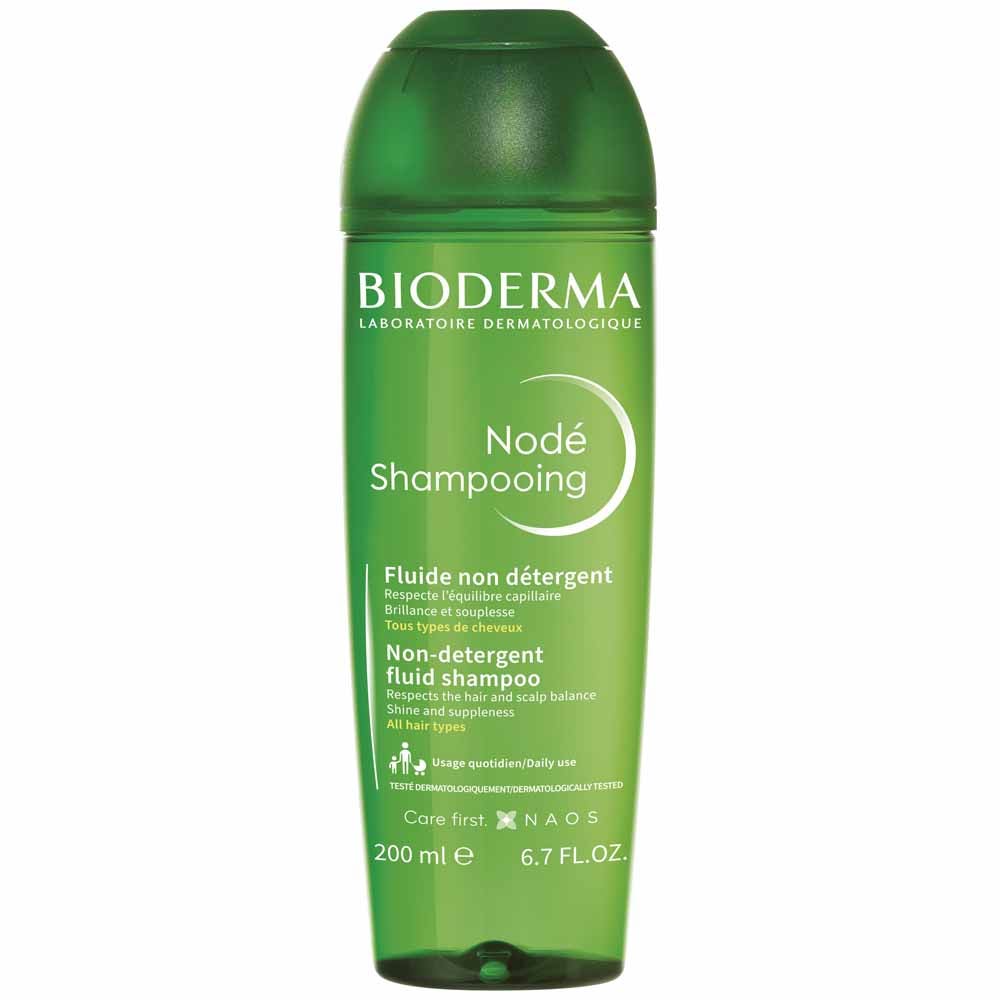
| Bioderma Nodé Fluide | All scalps, even sensitive | Ultra-gentle cleansing agents, prebiotics, soothing action | Non-irritating cleansing + sebum regulation |
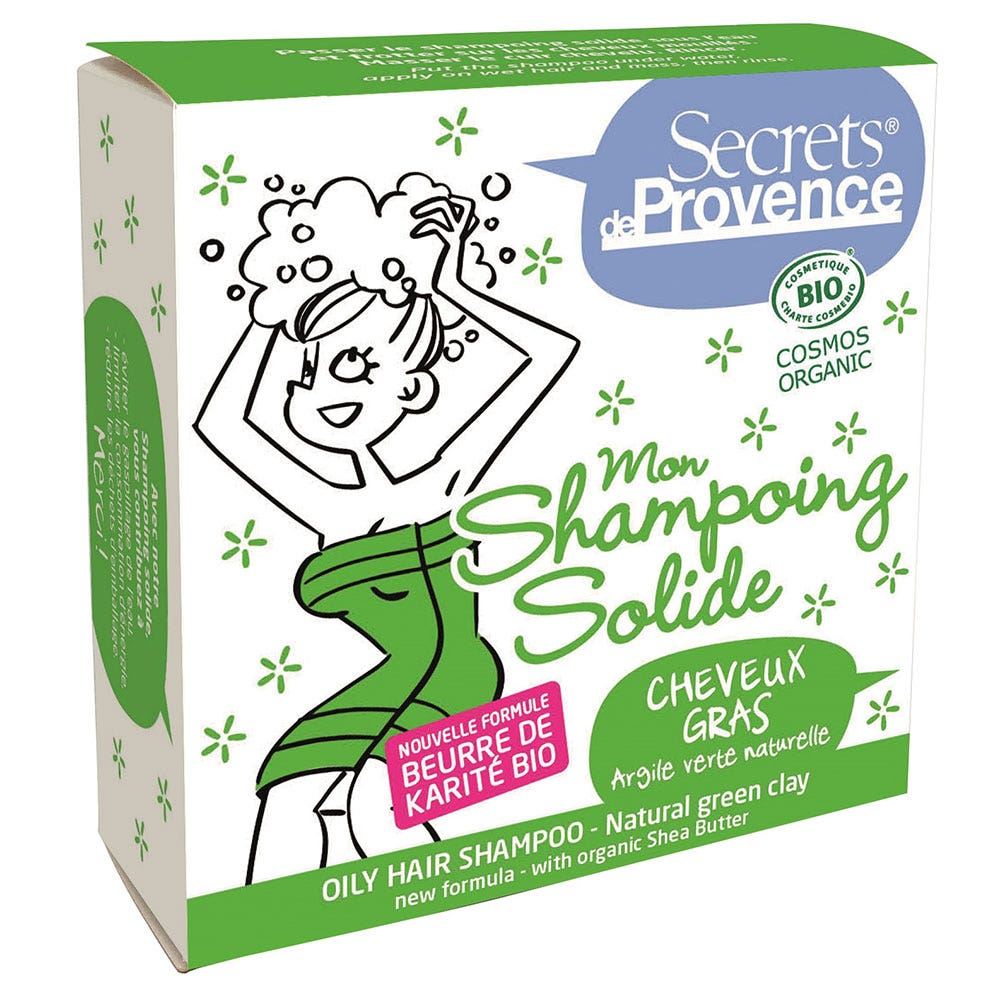
| Secrets de Provence – Solid Shampoo for Oily Hair with Organic Green Clay | Oily / combination hair | Purifying green clay, 100% natural, solid format | Regulates sebum and purifies without irritation |
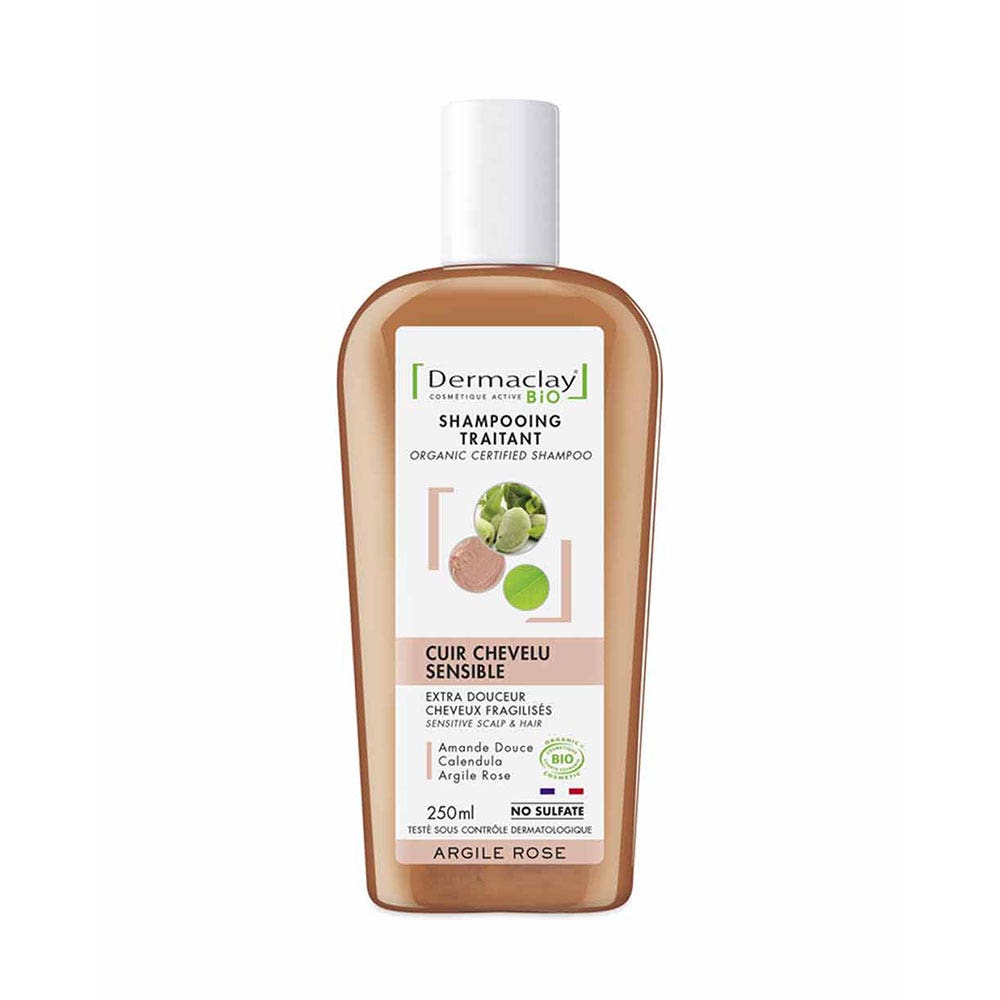
| Dermaclay Pink Clay – Sensitive Scalp | Sensitive scalps | Pink clay + calendula + sweet almond | Instant soothing, limits irritation |
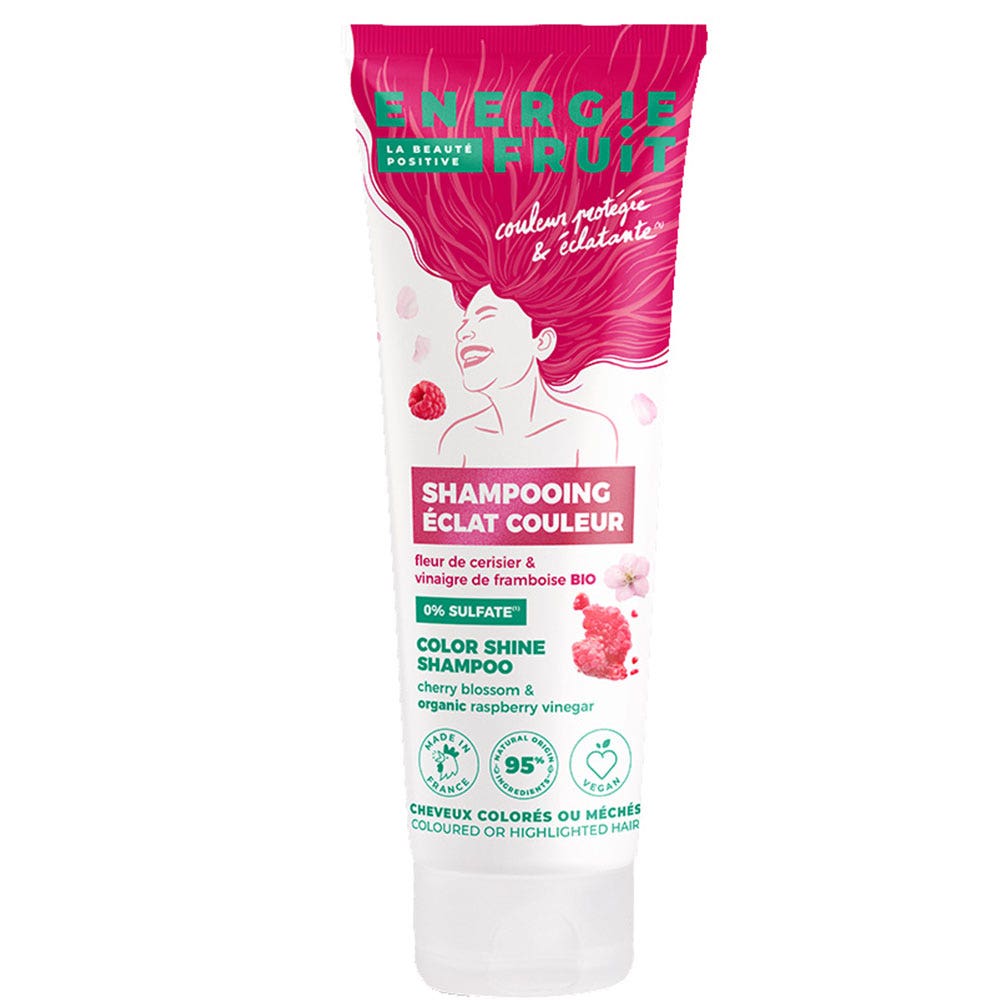
| Energie Fruit – Intense Shine Shampoo with Cherry Blossom & Organic Raspberry Vinegar | Dull / color-treated hair | Raspberry vinegar, shine-enhancing, gentle formula | Instant radiance + ideal after coloring |
Top 5 best sulfate-free shampoos
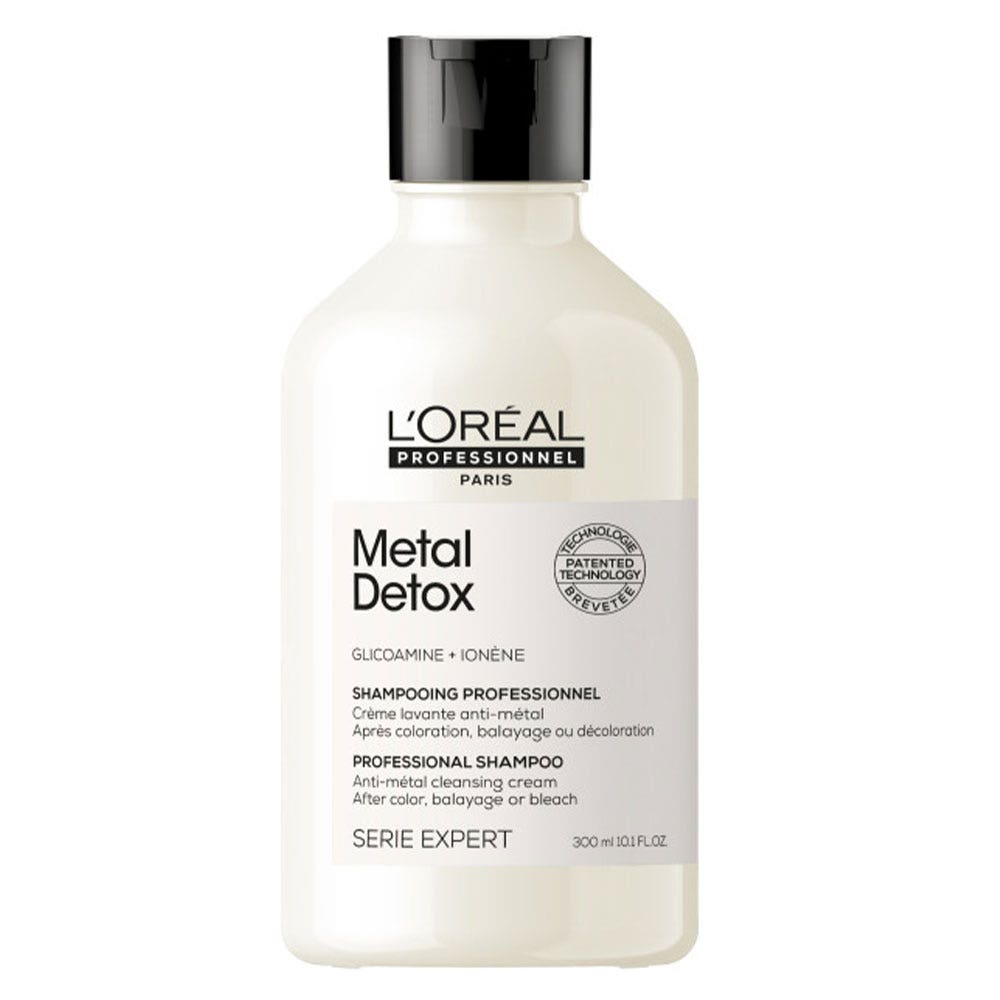
1. L’Oréal Professionnel – Metal Detox Anti-Metal Shampoo
Key ingredients
- Glicoamine (patented): penetrates the fiber and neutralizes metals (copper, pollutants, etc.)
- Sulfate-free, respects the hair fiber
- Creamy texture, gentle lather
Benefits
- Deep detox cleansing without aggressiveness
- Reduces breakage linked to metals responsible for 87%* of color alteration
- Revives color
- Leaves hair shiny and supple
Ideal for
- Color-treated, bleached, or damaged hair
Customer review:
“I used it on myself and on my clients’ hair, and we all had incredible results. The shine it gives is amazing, leaving hair soft, light, and supple. I noticed a real difference in scalp cleanliness thanks to this shampoo, and so did my clients! I was able to go longer between washes because my hair no longer gets as dirty and greasy as before.”
2. Bioderma Nodé Fluide – Gentle sulfate-free shampoo
Key ingredients
- Caprylyl/Capryl glucoside (gentle surfactant)
- Oat amino acids
- Prebiotic complex: mannitol, xylitol, rhamnose
Benefits
- Ultra-gentle cleansing
- Soothes irritation
- Regulates sebum
- Restores natural shine
Ideal for
- Sensitive, irritated scalps or hair that gets greasy quickly
Customer review:
“Promises kept: after a few weeks of use, hair is more supple, shinier, and easier to smooth. The fluid texture is easy to dose, and the transparent green packaging makes it easy to see how much is left and is comfortable to hold.”
3. Secrets de Provence – Yellow Clay Solid Shampoo
Key ingredients
- Natural green clay: absorbs excess sebum, gently purifies
- Organic shea butter: preserves hydration
- Vegetable oils: nourish without weighing hair down
- 100% natural formula, certified Cosmos Organic
- Cold-process manufacturing to preserve active ingredients
Benefits
- Naturally regulates sebum
- Cleanses and purifies without irritation
- Eco-friendly and economical: up to 50 washes
- Zero-waste solid format
- Respects the scalp thanks to gentle surfactants
Ideal for
- Oily or combination hair, greasy roots
Customer review:
“I really like this shampoo. It soothed my scalp itching and irritation. It lathers well and cleans effectively (even oil treatments) if I use enough. I repurchased it, but I’m tempted by the repairing shampoo from the same brand since my hair is naturally dry.”
4. Dermaclay – Organic Shampoo for Sensitive Scalp
Key ingredients
- Pink clay
- Sweet almond oil
- Calendula
Benefits
- Extra-gentle cleansing
- Immediate soothing effect
- Respects keratin
- Helps space out washes
Ideal for
- Fragile hair, irritation, dry dandruff
Customer review:
“A great discovery: super gentle shampoo that calms itching and sensitivity from the very first wash and truly acts on the scalp. Full of soothing ingredients like calendula and almond, and my hair feels soft and incredibly light!”
5. Shine & Hydration Shampoo – Emblica
Key ingredients
- Henna
- Cinnamon (stimulates circulation)
- Triphala
- Shikakai & licorice
- Ylang-ylang and palmarosa essential oils
Benefits
- Ultra-natural Ayurvedic formula
- Deep hydration
- Exceptional shine
- Floral, sensorial fragrance
Ideal for
- All hair types, for those seeking natural care
Customer review:
“I adopted the Emblica Shampoo and I’m in love! Its floral scent and sulfate-free formula leave my hair incredibly soft, shiny, and hydrated. I love its eco-friendly commitment and highly recommend it for natural, effective hair care. A real favorite!”
How to recognize a sulfate-free shampoo?
Sulfates are synthetic molecules derived from sulfur. They are generally produced through an extraction process from sources such as palm oil or petroleum jelly. They are found in a large number of cosmetic products such as makeup removers, lotions, shampoos, conditioners, and hair masks.
Why do beauty product manufacturers continue to include them in hair products? Because of their chemical properties: sulfates contain water- and oil-attracting molecules that, once activated, create saponification, which produces foam. That is why manufacturers use them extensively in shampoos. They are inexpensive, and the foam they create gives the illusion of effective cleansing, since very little sulfate is needed to produce abundant lather capable of covering the entire head of hair.
In addition, they are good preservatives. The main reason shampoo manufacturers use sulfates is that most people associate foam with cleansing power. However, when used excessively, sulfates can be harmful to the body. They dry out the hair fiber and damage it, and above all, at high doses they can irritate the scalp and even cause allergies—especially since they have recently been classified as “endocrine disruptors”. Worse still, to counter their adverse effects, cosmetic chemists have added silicone to shampoos to increase shine. Unfortunately, silicone suffocates the hair, which is why sulfate-free shampoos are one of the most relevant solutions to repair your hair and preserve its health.
Why should you use a sulfate-free shampoo?
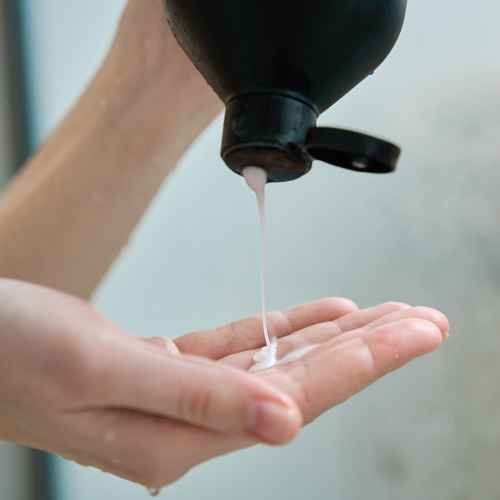
A sulfate-free and sodium-free shampoo will naturally emulsify less than a conventional shampoo containing these substances. When it lathers less, it can give the impression that it cleans the hair less effectively. But this is completely false. However, it is important to be aware that when using a sulfate-free shampoo, you will need to wait 6 to 7 washes for your hair to adjust. Indeed, after the first few uses—whether you apply a solid shampoo or a liquid one—your hair may feel harder to detangle, less shiny, or even dull. But once the adaptation period is over, the benefits will be noticeable: a healthier, less irritated scalp, and a hair fiber that can breathe better. The main benefit is that you cleanse your hair without being aggressive. And less aggression also means less sebum production, making this option especially worth considering if you have oily roots and dry ends.
By washing your hair regularly with a shampoo free from sulfate-based surfactants, you help close the cuticles of the hair fiber and minimize the appearance of split ends. Beyond the eco-responsible and hair-friendly approach of using a sulfate-free shampoo, it is particularly recommended after certain treatments. For example, it is almost essential to use a gentle cleansing base, free from sulfates and silicones, after a Brazilian straightening treatment. This helps prevent the removal of the keratin applied to protect the hair and maintain its smooth appearance. It is also highly recommended to use a shampoo free from surfactants if your scalp is fragile and you wish to avoid split ends and brittle hair. On our e-commerce website, you will find a wide range of products that meet these criteria.
Which is the healthiest shampoo for hair?
Choosing a healthy shampoo can be very appealing, but it is essential to take into account your hair type, scalp sensitivity, and specific hair care needs. In general, a healthy shampoo is one that is formulated without sulfates, silicones, parabens, or any harsh ingredients. It should also contain natural or organic ingredients that promote scalp and hair health.
Among the healthiest shampoos, we can mention the Wella Calming Elements shampoo, the Monoi & Organic Macadamia Oil shampoo by Energie Fruit, and the sulfate-free shampoo by Klorane. These products are widely praised for their gentle formulas that respect both the scalp and the hair.
However, be sure to read labels carefully and research the ingredients before choosing a product. Your hairdresser can also provide personalized advice. A shampoo that is healthier for one person may not be suitable for another. Everyone has specific and unique hair care needs, so it is important to choose a product that is tailored to your personal requirements.
"Sulphate-free shampoos are gentler on the scalp and hair fibre. They reduce irritation, breakage and premature colour fading. After a short adjustment period, they leave hair soft, shiny and balanced. An ideal choice for coloured, sensitised hair or reactive scalps."
How can you tell if a shampoo contains sulfates?
Generally, shampoos display the wording “sulfate-free,” sometimes also “silicone-free” and “paraben-free” in large letters on their label. If this is not the case, simply check the ingredient list on the back to make sure they do not contain any overly harsh substances. The best way to ensure that you are using a shampoo free from parabens and sulfates is to carefully read this ingredient list, which is usually printed on the back of the bottle.
You should pay particular attention to ingredients named as follows: Sodium Lauryl Sulfate (SLS), Sodium Laureth Sulfate (SLES), as well as Ammonium Lauryl Sulfate (ALS) and Sodium Myreth Sulfate (SMS). Every hair type is different, so it may take 6 to 7 washes for your hair to fully appreciate the benefits of a sulfate-free shampoo. Indeed, since your hair has been cleaned with SLS-based shampoos for a long time, it may feel rougher and look dull at first, but it will eventually adapt.
Sulfate-free shampoo: how to choose?
Since the emulsifying action of sulfates is essential in shampoo, how can you do without them to wash your hair? There are sulfates that are more harmful than others, but fortunately there are also shampoos that allow you to cleanse your hair without stripping it. Not all sulfates have the same level of aggressiveness toward the scalp, so if your shampoos are spaced out enough, their negative impact will remain very limited. In fact, some sulfates are even used in so-called organic shampoos.
In our online store, you can find sulfate-free Kérastase shampoos, sulfate-free shampoos for oily hair, keratin shampoos that are also sulfate-free, as well as sulfate-free anti-dandruff shampoos. For your sulfate-free and paraben-free shampoo, as well as your conditioner, our experts are here to guide you.
There are foaming agents that can be used instead of sulfates. Most of the time of plant origin, they are more expensive but much gentler and more beneficial for your hair. They cleanse effectively but produce very little foam. We recommend using them, especially if you have had a Brazilian blowout. The most commonly found ones are coco-betaine, decyl glucoside, disodium cocoamphodiacetate, lauryl glucoside, and sodium lauroyl sarcosinate.
However, be careful, as mentioned previously: when you start using a shampoo that contains neither sulfates nor silicones, you often have the impression that your hair feels worse than before once it is dry. It can be difficult to style because the silicones (which provide the well-known detangling effect) present in the hair fiber gradually disappear. Don’t worry, this transition will take some time, but it is well worth it.
Where to find sulfate-free shampoo?
Finding a sulfate-free shampoo is not always easy, as many products still contain this ingredient. However, you can find these products in various places.
Organic stores and beauty shops often offer ranges of sulfate-free shampoos. Remember to check the ingredient list to make sure they do not contain sulfates. In addition, many e-commerce websites, such as online parapharmacies, offer a wide variety of sulfate-free shampoos. You can find both international and national brands at different price points. Some solid shampoos sold in artisanal shops are also formulated without sulfates. Finally, major professional brands also offer sulfate-free shampoos at affordable prices.