Top 5 Best Hair Loss Shampoos

Throughout life, absolutely everyone experiences hair loss to a greater or lesser extent. Various factors such as genetic predisposition or chronic stress can result in significant hair loss, either temporarily or permanently. Strengthening and energizing, anti-hair loss shampoos are generally not a miracle solution, but they help tone the scalp and restore vitality in an effort to slow down hair loss.
Anti-Hair Loss Shampoos: Key Takeaways
-
Hair loss is common and multifactorial (stress, hormones, genetics, etc.).
-
Anti-hair loss shampoos do not stop established baldness.
-
They help strengthen the hair fiber, stimulate the scalp, and slow down hair loss.
-
Effectiveness relies on regular and appropriate use.
-
For best results, they should be part of a global routine (treatments, supplements, lifestyle habits).
Our selection of the best anti-hair loss shampoos
Easypara experts are here to help you every day choose shampoos that suit your needs. Looking for the best anti-hair loss shampoo? Discover the most effective shampoos on the market to care for your hair and help slow down hair thinning.
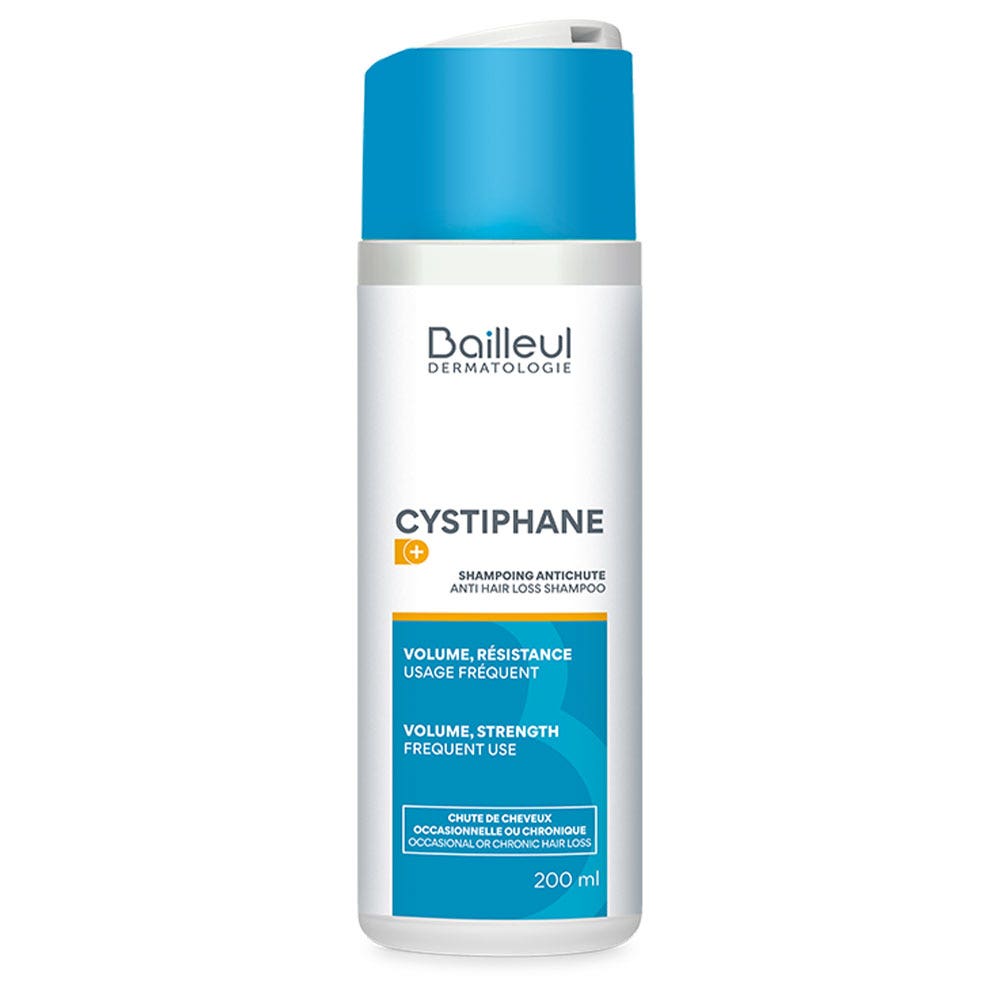
1. Cystiphane Anti-Hair Loss Shampoo – Bailleul
The Cystiphane Anti-Hair Loss shampoo is designed to provide a complete and effective solution to hair loss. Its advanced formula does more than simply slow hair loss: it strengthens the hair fiber against external aggressors while gently cleansing the hair. This product perfectly respects the delicate balance of the scalp, preventing dryness.
The innovation lies in its unique combination of active ingredients. Zinc pyrithione plays a dual role by purifying the scalp and helping increase hair density. Vitamin B6 and a cystine precursor work together to protect the hair bulb from environmental aggressions such as pollution, temperature changes, and dust.
Hyaluronic acid is another key active ingredient in this expert formula. Known for its hydrating properties, it prevents hair dryness and reduces scalp irritation, providing comfort and well-being after each wash. Finally, the high-tolerance cleansing base ensures effective cleansing without stripping or drying the hair, making it easier to style and leaving hair silky and easy to detangle.
The Cystiphane Anti-Hair Loss shampoo represents a major advancement in hair loss care. Its targeted actives make it an ideal solution for preserving hair vitality and density while protecting it from daily aggressions. With its global approach, this shampoo goes beyond surface treatment to address the root causes of hair loss for visible and lasting results.
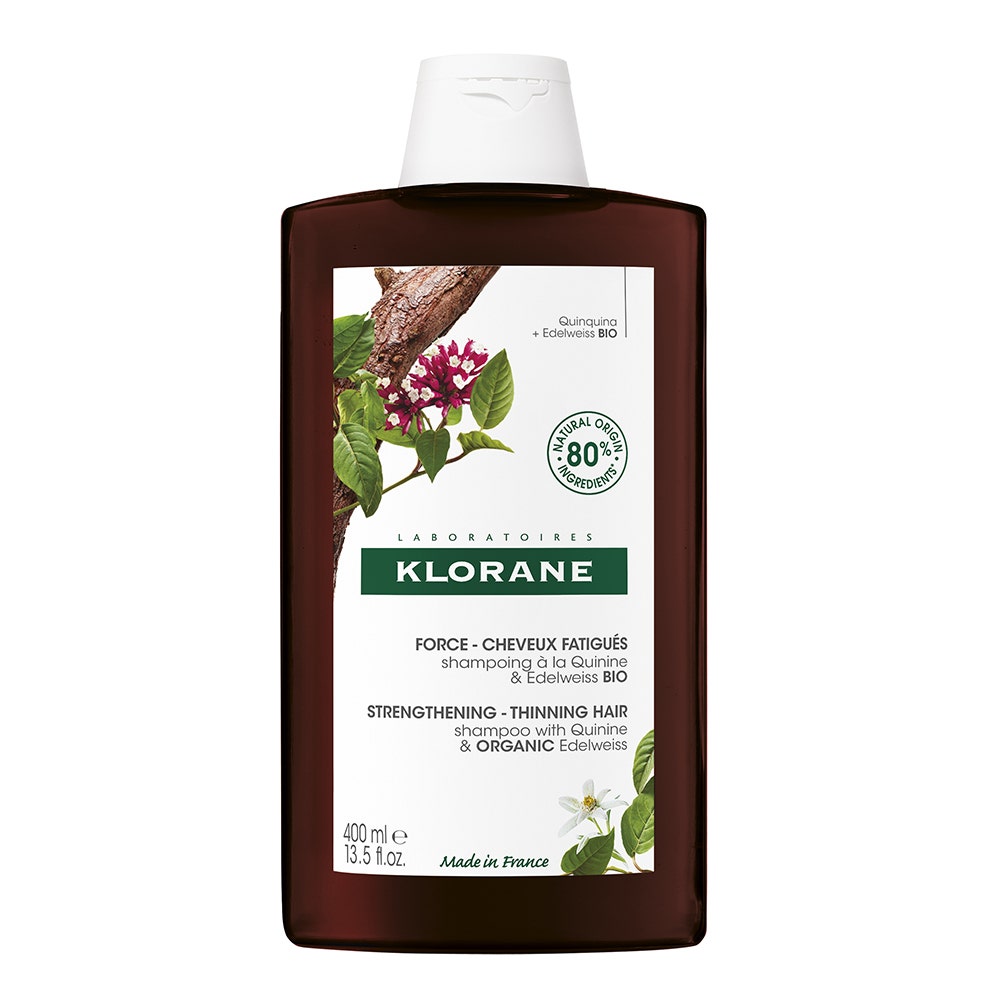
2. Edelweiss Bio Quinine Shampoo for Tired Hair – Klorane
This strengthening and stimulating shampoo is a true vitality booster for hair that has lost its shine and strength. Its unique formula, rich in quinine extracts, organic edelweiss, and B vitamins, makes it a powerful ally for cleansing while stimulating new follicle growth. It can be used alone or alongside an anti-hair loss treatment to maximize benefits.
This nourishing concentrate revitalizes the hair fiber, providing tone and resistance. Its dual action is based on two essential pillars:
- Cleansing: A sulfate-free cleansing base that gently cleanses and tones the scalp without irritation.
- Strengthening: Scalp massage activates the formula, restoring strength and resistance to weakened hair.
Quinine stimulates scalp microcirculation, encouraging stronger hair growth, while organic edelweiss provides antioxidant protection against environmental damage. B vitamins nourish the scalp and roots, restoring density, shine, and vitality. Regular use leaves hair stronger, more supple, and visibly healthier.
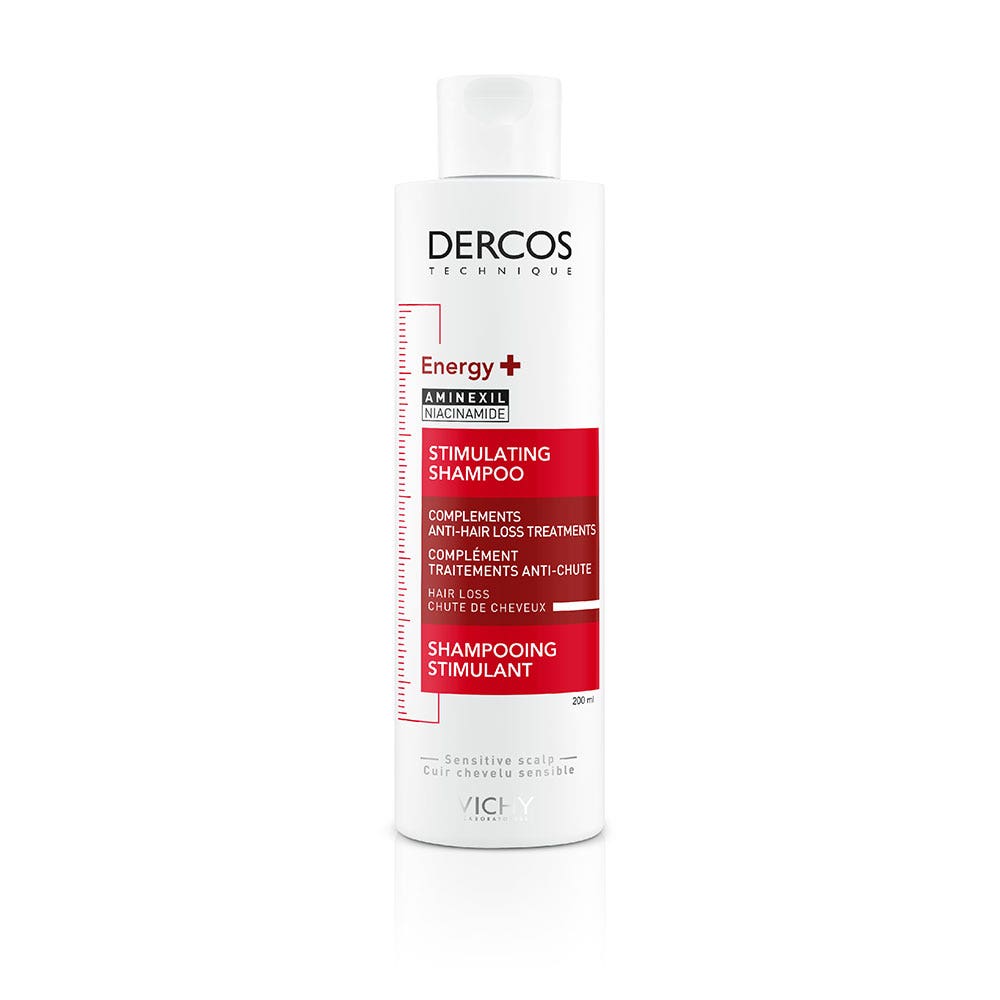
3. Dercos Energizing Anti-Hair Loss Treatment Shampoo – Vichy
This energizing shampoo has been carefully developed to address mild to severe hair loss. Its effectiveness is matched by its suitability for sensitive scalps:
- Dermatologically tested for high tolerance and hypoallergenic properties.
- Enriched with aminexil, a leading anti-hair loss molecule developed over 10 years of research and backed by 2 patents. Aminexil helps preserve the collagen sheath surrounding the hair root, promoting stronger, denser hair.
Clinical results show 89% stronger hair and 90% more toned hair*. Aminexil revitalizes the scalp and supports healthy, long-term hair growth. This shampoo is a scientifically validated solution for fighting hair loss and restoring hair vitality.
*In vitro tests
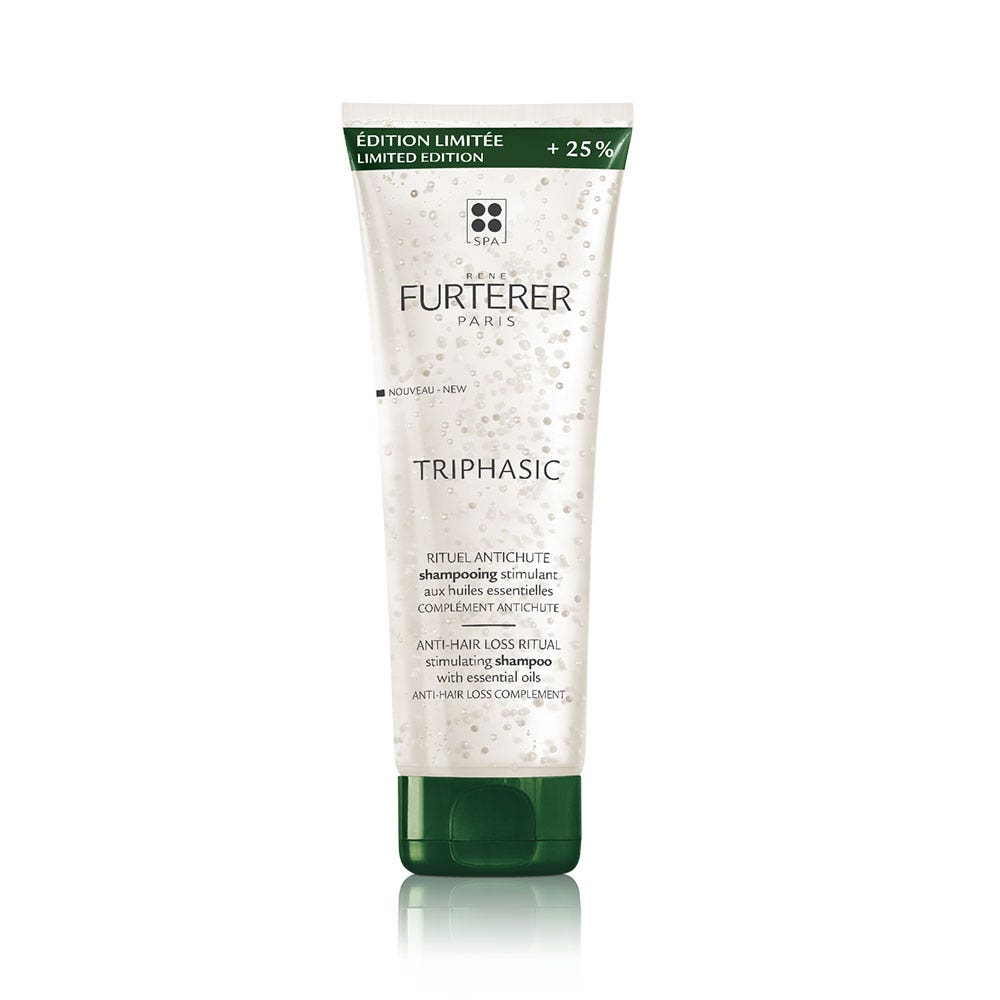
4. Triphasic Stimulating Anti-Hair Loss Ritual Shampoo – René Furterer
The Triphasic shampoo by René Furterer combines two cutting-edge anti-hair loss actives: pfaffia extract and ATP (Adenosine Triphosphate), enhanced with essential oils.
During application, micro-encapsulated biospheres release their actives upon scalp massage, strengthening hair from within. Hair becomes stronger, easier to detangle, softer, and shinier. This shampoo is the ideal complement to anti-hair loss treatments.
Beyond effectiveness, it offers a true sensorial ritual thanks to its essential oils, turning hair care into a moment of well-being. René Furterer once again combines nature and science to deliver a holistic and effective anti-hair loss solution.
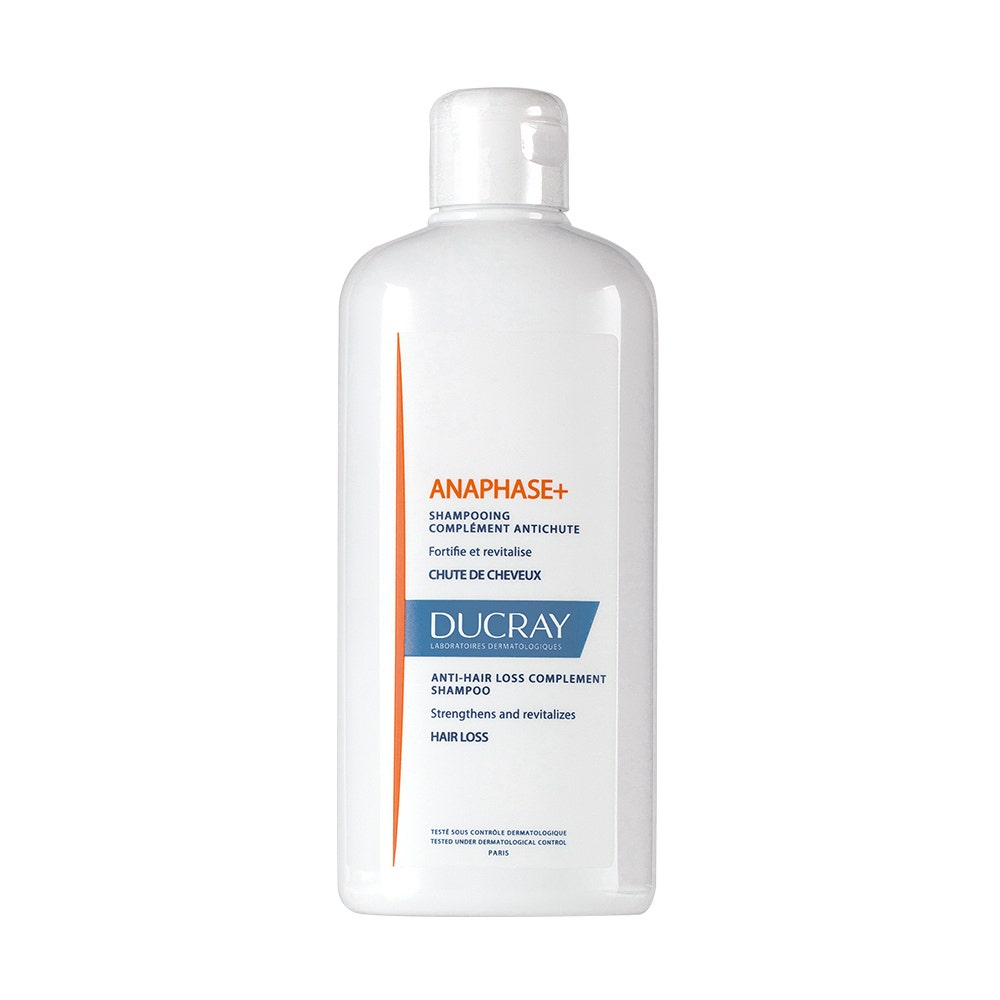
5. Anaphase+ Anti-Hair Loss Complement Shampoo – Ducray
Anaphase+ Ducray stands out with its bio-inspired formula and commitment to hair health and environmental respect. It combines vitamins and minerals essential for healthy hair growth. Monolaurin helps slow hair loss by targeting the enzyme responsible for hair thinning.
This shampoo is also valued for its volumizing effect, ideal for thinning hair. It revitalizes weakened hair, restoring strength, resistance, and texture while protecting against external aggressors.
By addressing the root causes of hair loss and nourishing the scalp, Anaphase+ Ducray strengthens hair structure from within. Its vitamin-rich formula supports strong, healthy regrowth and delivers visible density and vitality from roots to ends.
An effective anti-hair loss routine starts with a gentle treatment shampoo, massaged into the scalp for at least 1 to 2 minutes to stimulate microcirculation. Combine it with a targeted treatment (serum or ampoules) rich in recognised active ingredients such as caffeine, aminexil or peptides. Consistency is key: a minimum of 2 to 3 months of treatment is necessary to have an effect on the hair's life cycle.
What are the causes of hair loss?
In general, a hair lives between 2 and 7 years and goes through a 3-stage cycle before ending up on your brush or comb. During the anagen phase, the hair fiber grows, which can last from 2 to 5 years; this phase therefore represents the majority of the hair present on our scalp. Then, for about 3 weeks, growth stops: this is the catagen phase. Hair death and shedding occur during the telogen phase, which is quite long and lasts 6 to 7 months. After that, a new follicle forms to begin a new cycle. Between 50 and 100 hairs fall from our scalp every day: some are replaced, others are not.
During certain seasons, such as autumn, hair loss tends to accelerate. However, if the problem persists once this period has passed, it is necessary to establish an action plan for hair well-being. Women, even very young ones, are not necessarily spared. Many suffer from alopecia, but it remains a taboo subject; although women do not become bald like men, a loss of hair density and thinning areas—especially around the temples—may appear. These issues should not be taken lightly, as hair is often a reflection of deeper health problems.
After pregnancy, many women experience postpartum alopecia due to hormonal changes. It usually occurs around three months after childbirth, because once a hair is dead, it takes about a month and a half to fall out. Once this phase has passed, hair generally grows back well. Another critical period is menopause.
In some cases, hair loss may occur as a result of a health issue: infectious diseases, thyroid disorders, or iron deficiency—especially in women prone to heavy periods and other gynecological issues. It can also be genetic in origin, particularly in men, or a consequence of excess testosterone. Hair loss can also be triggered by fatigue, stress, and nervous exhaustion; many men and women are affected after burnout.
Diet can also play a role. Individuals who follow a vegan diet are more prone to hair loss, as plant-based iron and vitamin B12 are less easily absorbed than with an omnivorous diet. Significant weight loss following low-calorie or low-fat diets can also weaken the hair fiber.
How to choose an anti-hair loss shampoo?
Anti-hair loss shampoo proves to be a very effective solution because it contains surfactant molecules that are highly beneficial for your scalp. By washing your hair with this type of formula, you actively help fight hair weakness and seborrhea, which is very often one of the factors that can trigger hair loss. Of course, the causes of alopecia are numerous and varied, each with its own characteristics (age, genetics, stress), and while it is true that an anti-hair loss shampoo cannot restore hair that has already been lost, it does help promote the strengthening of hair follicles at the roots and of your scalp. When you notice that your hair is falling out more than usual, it is important to react quickly in order to address the issue as soon as possible.
The best solution is to prioritize high-quality products to help you stop hair loss while stimulating the growth of new follicles. The goal is to strengthen emerging hair from root to tip. This is why, by using an anti-hair loss shampoo together with a strengthening shampoo to wash your hair, you can address a large part of the problem: you will help prevent hair from falling out and encourage it to grow stronger, thereby avoiding cracks in the hair fiber, while restoring a soothed scalp.
When should you use an anti-hair-loss shampoo?
It is not necessarily useful to use an anti-hair-loss shampoo every day, as this may have the opposite effect and accelerate hair loss. The best solution is to alternate with a regular shampoo used every three days and to apply a conditioner or an anti-hair-loss treatment. Conditioner helps detangle the hair gently without breaking it. It is not the quantity of product applied to the scalp that makes the difference, but rather the quality of the product you choose. It is important to be aware that in cases of baldness, an anti-hair-loss shampoo will not cause hair to regrow where it has already fallen out, nor will it fill in thinning areas. Its main role is to prevent further hair loss by strengthening existing hair. To achieve optimal effectiveness, it is best to start using an anti-hair-loss shampoo as soon as you notice the early signs of alopecia, which is characterized by accelerated thinning, particularly around the temples and the hairline. This will give you the best chance to minimize the process or even slow it down for several years. Anti-hair-loss shampoos are considered treatments and are subject to rigorous scientific studies to assess their effects. Once again, pay close attention to their quality and preferably purchase them from a pharmacy or parapharmacy, where professional advice is available.
How does shampoo act on hair loss?
Once you understand the principle of this type of shampoo—namely that it cannot completely prevent hair loss, nor replace hair that has already been lost—it can still be effective when used in combination with an anti-hair-loss treatment (such as a serum or ampoules) or by addressing the underlying cause of hair issues. Indeed, if you are not affected by a condition such as baldness, excessive hair loss is often caused by an excess of sebum at the base of the hair follicles. When present in excessive amounts, sebum blocks the hair fiber development process. The fibers weaken and eventually leave the scalp prematurely. An anti-hair-loss shampoo can therefore help by restoring the scalp’s seborrheic balance. However, if the exact cause of excessive hair loss remains unclear, it is recommended to consult a doctor or a specialist such as a dermatologist. They will be able to advise whether it is more appropriate to use a shampoo or take dietary supplements to support hair growth.
Benefits of anti-hair-loss shampoos
| Benefit | Benefits for hair and scalp |
|---|---|
| Targeted action against hair loss |
|
| Scalp stimulation |
|
| Strengthening of the hair fiber |
|
| Recognized active ingredients |
|
| Gentle and scalp-friendly formulas |
|
| Improved hair appearance |
|
| Easy integration into a hair care routine |
|
An anti-hair loss shampoo is designed to help strengthen the hair and reduce excessive shedding. It often contains targeted ingredients such as caffeine, biotin, keratin or plant-based extracts that stimulate the scalp, strengthen the hair fibres and support better resistance to breakage.
Yes, when carefully selected and used regularly, an anti-hair loss shampoo can help strengthen the hair and temporarily reduce hair shedding. It improves microcirculation in the scalp and reinforces the hair fibre. However, it tends to be more effective when combined with a complete routine (such as targeted haircare, a balanced diet, and supplements).
It’s recommended to start using it at the first signs of hair fragility or excessive shedding, such as hair that breaks easily, increased hair loss during brushing or in the shower, or a scalp that’s becoming more visible. Regular use helps gradually strengthen the hair over time.