Top 5 best ammonia-free hair dyes

If there is one substance that has an increasingly bad reputation and that you may prefer to avoid in at-home hair dyes, it is ammonia. Indeed, this ingredient can be quite aggressive for certain hair types, such as fine and fragile hair. It can also weaken the scalp, especially if it is poorly nourished. Increasingly sought after and popular, ammonia-free hair dyes provide your hair with a beautiful color while remaining gentle. We have therefore put together a list of the best ammonia-free hair dyes.
Best Ammonia-Free Hair Dyes
You are aware of the disadvantages of ammonia and are probably looking to discover the best hair dyes that do not contain it. This is why we can now get straight to the point: the top 5 best ammonia-free hair dyes that you can find on our website.
| Product | Type | Main benefits | 100% grey hair coverage? | Specific feature |
|---|---|---|---|---|
| Phyto – Phytocolor Plant Pigments | Permanent | Up to 74% plant-based pigments, shine, long-lasting color | ✔ Yes | Ammonia-free, PPD-free, resorcinol-free |
| Herbatint – Plant Extracts | Permanent | Wide range, natural shades, scalp-friendly | ✔ Yes | Gentle formula, vegan |
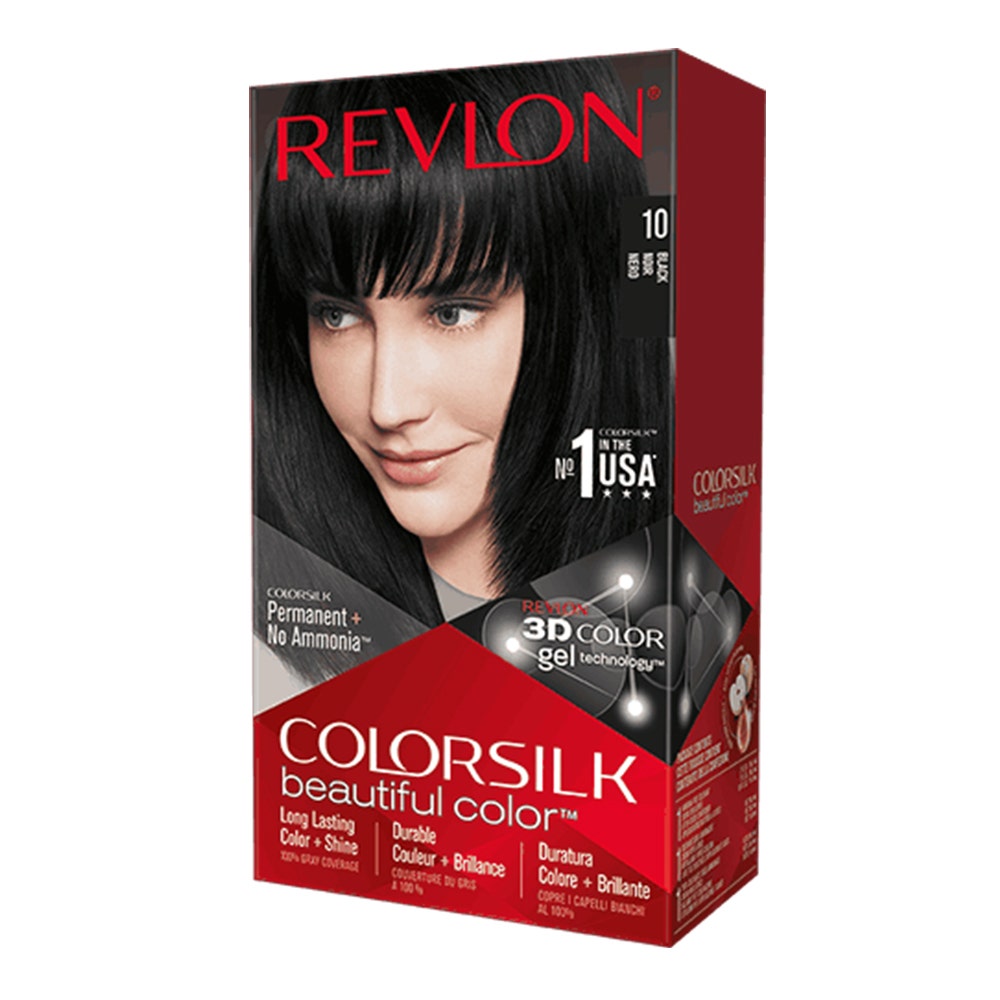
| Revlon Colorsilk | Permanent | Affordable price, volume & shine, good hold | ✔ Yes | Gentle formula enriched with conditioning agents |
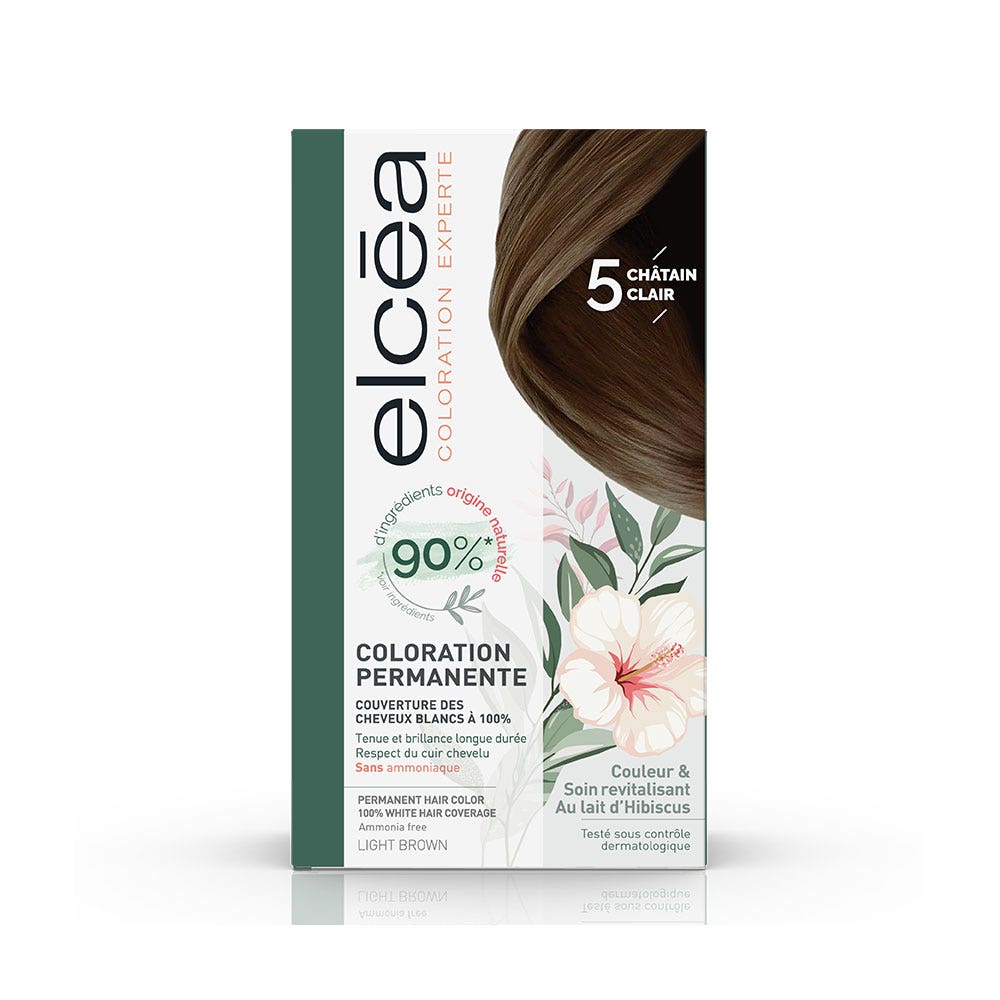
| Elcea – Aloe Vera | Permanent | 90% natural ingredients, UV filter, included care | ✔ Yes | Dermatologically tested |
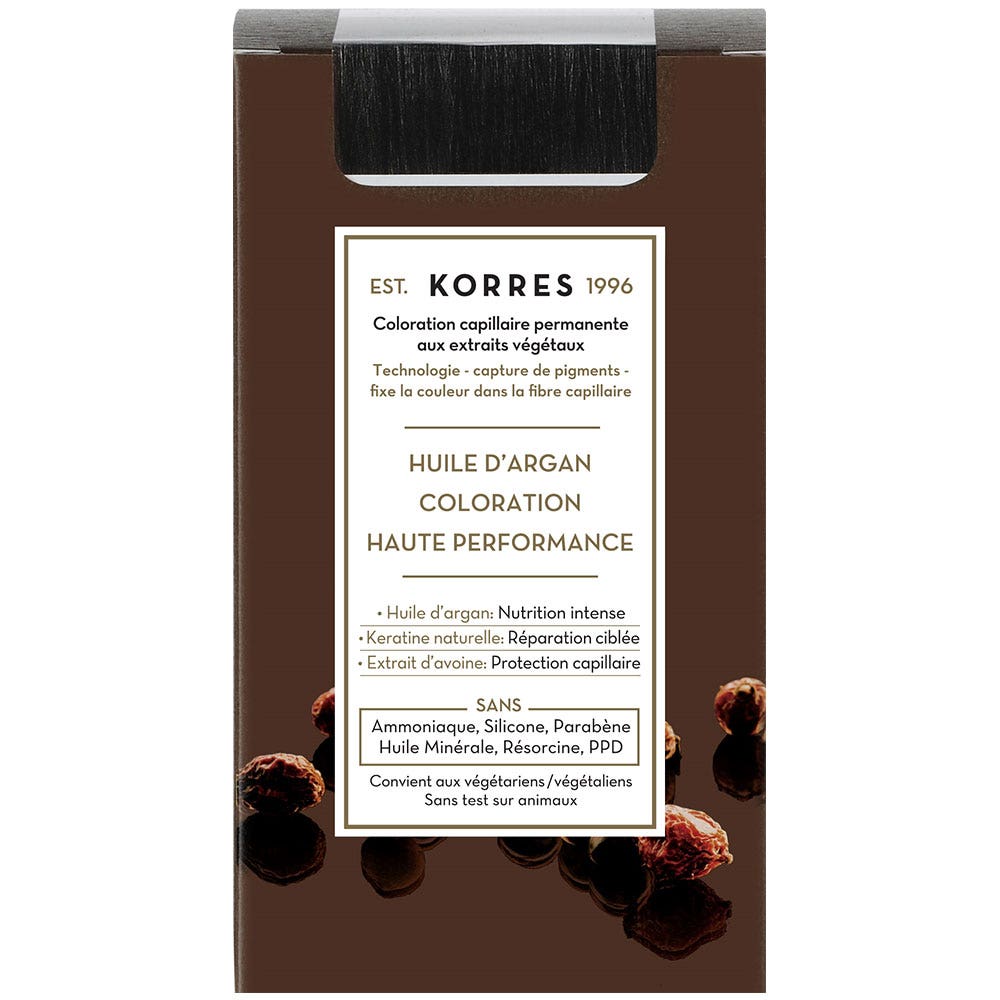
| Korres – Argan Oil | Permanent | Ammonia-, PPD-, and resorcinol-free; deep care | ✔ Yes | Plant extracts + keratin |
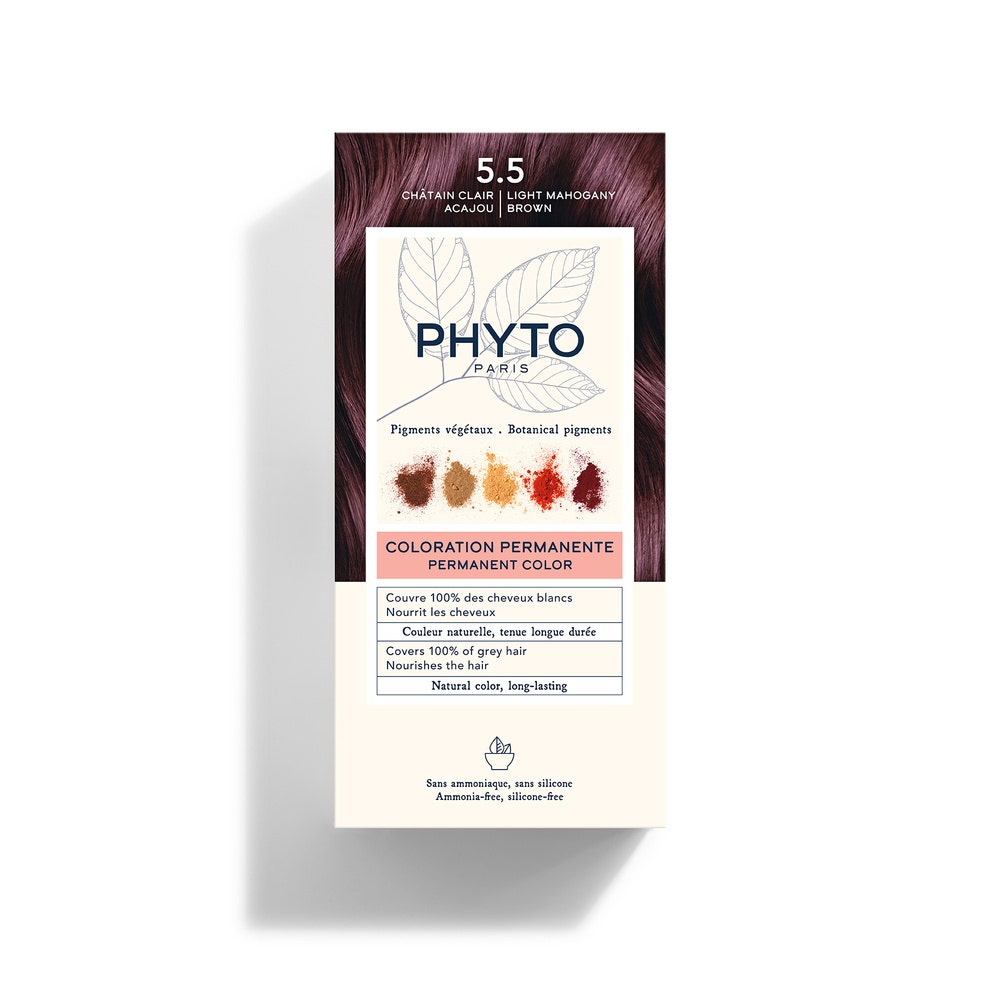
1. Phyto – Permanent Hair Dye with Plant-Based Pigments
Key benefits
- Up to 74% plant-based pigments, depending on the shade
- Natural technology derived from 5 dye plants
- Intense, deep, and highly radiant color
- 100% grey hair coverage from the first application
- Low color fade: longer-lasting results through washes
Who is it for?
- Those looking for a highly natural alternative
- Full coverage of grey hair
- Sensitive or reactive scalps
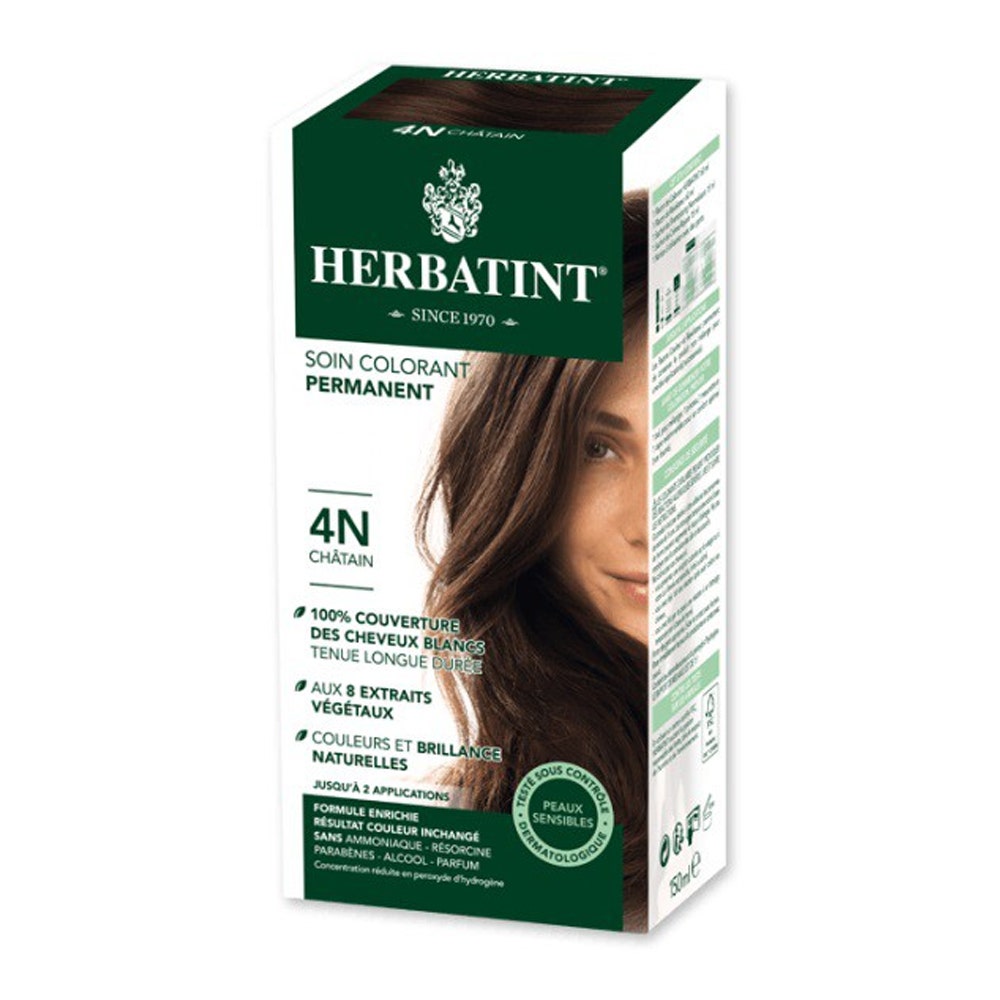
2. Herbatint – Permanent Hair Dye with Plant Extracts
Key benefits
- Ammonia-free, very gentle
- Wide shade range: N: Natural; C: Ash; R: Red; D: Golden; M: Mahogany Brown
- Shades designed to harmonize with skin tone
- Complete grey hair coverage
- Ideal for reviving, neutralizing, or intensifying highlights
Who is it for?
- Those seeking a natural and customizable hair color
- People who like adjusting their shade according to their complexion
3. Revlon – ColorSilk Beautiful Color Permanent Hair Dye
Key benefits
- Very good coverage
- Long-lasting hold
- Provides flexibility, shine, and volume
- Gentle formula enriched with natural extracts
Who is it for?
- Those looking for an excellent value for money
- Effective grey hair coverage
4. Elcea – Revitalizing Color and Care with Aloe Vera
Key benefits
- Formula with 90% ingredients of natural origin
- 100% grey hair coverage
- Included revitalizing treatment with aloe vera and UV filter
- Clinical results: 93% intense color, 100% scalp respect, easy-to-style hair
Who is it for?
- Fragile, dull, or sensitized hair
- Those needing care and color at the same time
5. Korres – Permanent Hair Dye with Argan Oil
Key benefits
- Free from ammonia, PPD, resorcinol, silicones, and parabens
- Argan oil: nourishing and repairing
- Natural keratin and oats: softness and protection
- Radiant color with perfect coverage
Who is it for?
- Dry, damaged, or undernourished hair
- Those who want to combine hair coloring and deep care
What is ammonia in hair dye?
Ammonia is an alkaline substance used to increase the pH level of the hair during the coloring process in order to increase its porosity. It helps open the scales of the cuticle (the outer layers of the hair) so that the coloring product can reach the cortex (the inner layer of the hair). In other words, ammonia is an agent that alters the structure of the hair cuticle. The higher the hair’s absorption of color, the better the durability of the hair dye. However, there may be negative side effects: in the long term, ammonia damages the hair fiber and makes hair rougher and weaker due to a loss of strength. It can also accelerate hair greying, as the fiber is no longer strong enough to retain melanin (which corresponds to your natural hair color). When ammonia is dissolved in water, it forms ammonium hydroxide, which is a potential skin irritant. When it comes into contact with the skin, it can cause skin burns as well as irritation of the nose and eyes. When ammonia-based dyes are used repeatedly, they tend to damage the hair fiber, leading to a loss of moisture. This makes the hair frizzy, dry, and brittle. If ammonia is applied to the hair, it may enter the bloodstream through the scalp. The ammonia fumes to which professionals in salons are exposed can cause lung problems, sinus damage, or infections of the throat and eyes. Ammonia that penetrates the hair fiber destroys an amino acid called tyrosine. Tyrosine regulates the production of melanin (the hair pigment), which helps hair retain its color, whether new or existing. When tyrosine is destroyed, the hair’s ability to retain any color is ultimately compromised. Ammonia can also be harmful to the ecosystem: it can damage crops and forests and be dangerous to aquatic species when washed into the ocean. Ammonia molecules are very small and evaporate quickly, which causes their sharp, pungent odor.
What are the advantages of ammonia-free hair colouring?
Gentler on the scalp: a non-aggressive formula, ideal for all scalp types.
Protection & shine: often contain nourishing oils that help preserve hydration and softness.
100% grey hair coverage: effective and subtle permanent color.
Ultra-natural result: a wide range of trendy shades without harsh ingredients.
No strong odor: no pungent smell, making the coloring process more pleasant and comfortable.
There are five reasons why ammonia-free hair dyes have become so popular among hairdressers and individuals who want to color their hair at home.
- Non-aggressive color: ammonia-free hair dyes have an extra-gentle formula. This is good news for those with sensitive skin and hair that feels damaged by repeated coloring and/or styling processes. That said, to be on the safe side, you should always perform a sensitivity test before coloring your hair to check your skin’s reaction.
- Protection and shine: healthier hair means softer, smoother, and better-quality hair thanks to the absence of ammonia. Ammonia-free products are generally made with formulas that not only infuse the hair with nourishing oils for a smooth, silky finish, but also protect the hair’s natural moisture levels to prevent dryness and prolong your color.
- Grey hair coverage: ammonia-free colors provide permanent color with up to 100% coverage, making them an ideal solution for subtly covering unwanted white or grey hair. You can also opt for a multi-tonal finish, which can make fine, aging hair appear thicker and healthier.
- Natural look: nowadays, the main hair color trend is a natural-looking finish. This is why neutral shades such as blonde, ash blonde, and ash brown have become so popular. Ammonia-free hair color offers a wide range of ultra-natural shades, allowing you to stay ahead of trends without using harsh chemicals.
- No pungent odor: one of the main drawbacks of ammonia-based hair dyes is the strong, sharp smell that some products release. The products listed below are ammonia-free, meaning they are free from strong and unpleasant odors, making hair coloring a more enjoyable experience without the irritation this can cause. Hair coloring becomes a true moment of pleasure, in addition to being aesthetically pleasing.
"For successful colouring, prepare your hair with a nourishing treatment the day before and avoid shampooing just before application. Always choose a shade close to your natural base colour for a harmonious result. Follow the application time to optimise hold and preserve the hair fibre."
How to choose the right hair dye?
The first step in deciding which hair dye will best suit your style is to identify your natural hair color. Keep in mind that hair color can also change over time due to a number of factors. In general, all hair loses pigment with age, which contributes to the appearance of white or grey hair. Certain external factors, such as sun exposure, can also impact hair color over time.
To make this process easier, you can use a universal color chart to help identify your natural hair color. This chart includes 10 different levels, with level 1 being the darkest (jet black) and level 10 the lightest (platinum blonde). Keep in mind that if the color change you want requires less than two shade levels, you will achieve a look that is easy to obtain and low-maintenance. On the other hand, if you need to change your hair color by more than two levels (for example, from level 5 to level 9, which involves lightening), at-home coloring will not be sufficient and you will need to visit a hairdresser to lighten your natural shade through peroxidation in order to achieve the desired result.
Hair shade levels are measured from 1 to 10: 1 corresponds to absolute black, and 10 to platinum blonde.