The appearance of our hair often reflects our inner well-being and the daily environmental influences we face. When dealing with straw-like hair a clear symptom of a parched and damaged hair fiber it becomes vital to adopt a tailored care routine to restore suppleness and shine.This article reveals five fundamental strategies, developed in harmony with the latest advancements in trichology and hydrating hair care, to transform very dry and tired hair into a radiant mane. Enriched with practical advice and concrete examples, it offers targeted solutions that meet the needs of the most sensitive scalps and hair thirsty for deep nutrition.Each recommendation is the result of a rigorous selection of high-quality parapharmacy products, combining effectiveness and gentleness to ensure a tangible improvement in the texture and health of your hair. Whether you need immediate revitalization or long-term maintenance, the tips presented here will guide you toward hair resilience and natural beauty.
Straw-Like Hair: Top 5 Best Tips to Fix It

Straw-Like Hair: Key Takeaways
-
Diagnosis: Straw-textured hair is a clear sign of a severely dehydrated and damaged hair fiber.
-
Main Causes: Exposure to UV rays, excessive heat (styling tools), frequent chemical coloring, and the use of harsh shampoos.
-
The Golden Rule: An effective routine must balance hydration (moisture), nutrition (lipids), and protection.
-
Recommended Ingredients: Prioritize sulfate-free formulas enriched with vegetable oils, keratin, and hyaluronic acid.
-
Timeline for Results: Visible improvements can be achieved within 3 to 4 weeks with a consistent, tailored care routine (according to dermatological sources).
What Exactly Is "Straw-Like Hair"?
Straw-like hair refers to a capillary state where the hair becomes extremely dry, stiff, and dull, mimicking the texture and appearance of actual straw. This issue is often the result of combined factors that compromise the hair’s hydration and overall health. External aggressors such as UV radiation, pollution, excessive heat styling (repeated use of blow dryers, straighteners, or curling irons), or inappropriate hair care using harsh, stripping products can damage the cuticle, the hair’s outer protective layer. Once the cuticle is compromised, the hair loses its natural moisture and shine, becoming brittle, rough to the touch, and difficult to detangle.
On a biological level, each hair shaft is composed of several layers. The outermost layer consists of scales (cuticles) which, when smooth and aligned, make the hair soft and reflect light, creating shine. When these scales are damaged, they lift, creating a matte appearance and a sensation that feels like straw.
To remedy this condition, it is recommended to use hair care products enriched with hydrating and restorative agents. Nourishing masks, hair oils, and specific serums help restore moisture, repair the cuticle, and shield the hair from future damage. These products are formulated to provide a targeted response to damaged hair, integrating active ingredients such as shea butter, argan oil, keratin, or hyaluronic acid, all known for their deep nourishing and reparative properties.
In the quest for silky hair and a healthy scalp, Easypara is committed to providing you with hand-picked products. We offer advanced formulas that combine nature and technology to effectively address this concern. Our rigorous selection process ensures that our customers receive high-quality care that meets their expectations, resulting in a visible and lasting transformation of “straw-like” hair into a revitalized, vibrant mane.
What Causes Extremely Dry and Brittle Hair?
Extremely dry and damaged hair can be caused by various environmental, physiological, and chemical factors. These elements contribute to the loss of natural moisture and essential nutrients required to maintain healthy, strong hair. Understanding the root causes is the first step toward adopting an effective and targeted care routine.
1. Environmental Factors: Daily Aggressions That Dry Out Hair
External elements are often the primary culprits behind hair dryness. Prolonged sun exposure, especially in summer when UV rays are most intense, as well as wind, sea salt, or swimming pool chlorine, can damage the hair’s external structure particularly if no protection is used. Furthermore, harsh environmental conditions or habits such as smoking can cause rapid hair dehydration and deteriorate the lipids that lock moisture inside the hair fiber.
2. Heat Styling Tools: A Risk to Hair Health
The frequent use of blow dryers, straighteners, or curling irons can lead to progressive dehydration. It is best to use them sparingly and always apply a heat protectant. Certain habits, such as aggressive brushing or using unsuitable styling products, can also weaken the hair shaft and worsen dryness.
Expert Tip: Opt for natural bristle brushes, apply a serum before drying or straightening, and try to limit the use of heated tools.
3. Harsh Hair Care: Spacing Out Chemical Treatments
Repeated chemical treatments such as coloring, bleaching, perms, or chemical straightening (Brazilian or Japanese) alter the hair’s chemical structure, often at the expense of its hydration and integrity. Similarly, shampoos containing harsh cleansing agents, like sulfates, can strip away the hair’s natural protective oils. The solution: Space out these treatments as much as possible and, if necessary, use touch-up sprays to cover roots between colorings.
4. Diet and Genetic Factors
An unbalanced diet can directly impact hair health. Nutrients such as Omega-3 fatty acids, vitamins A and E, and proteins are essential for keeping hair hydrated and resilient. A deficiency in these nutrients can lead to chronic dryness. Finally, factors like natural hair porosity, hormonal imbalances, or dermatological conditions such as eczema or psoriasis can also influence hydration and scalp health. Hair texture often genetically determined—can also predispose certain types, like curly or coily hair, to greater dryness. Their spiral shape makes it harder for natural oils to travel evenly down the hair fiber.
Top 5 Best Shampoos and Treatments for Straw-Like Hair
| Product | Main Action | Ideal For |
|---|---|---|
| Klorane Mango | Nutrition | Dry hair |
| Arganicare | Repair | Damaged hair |
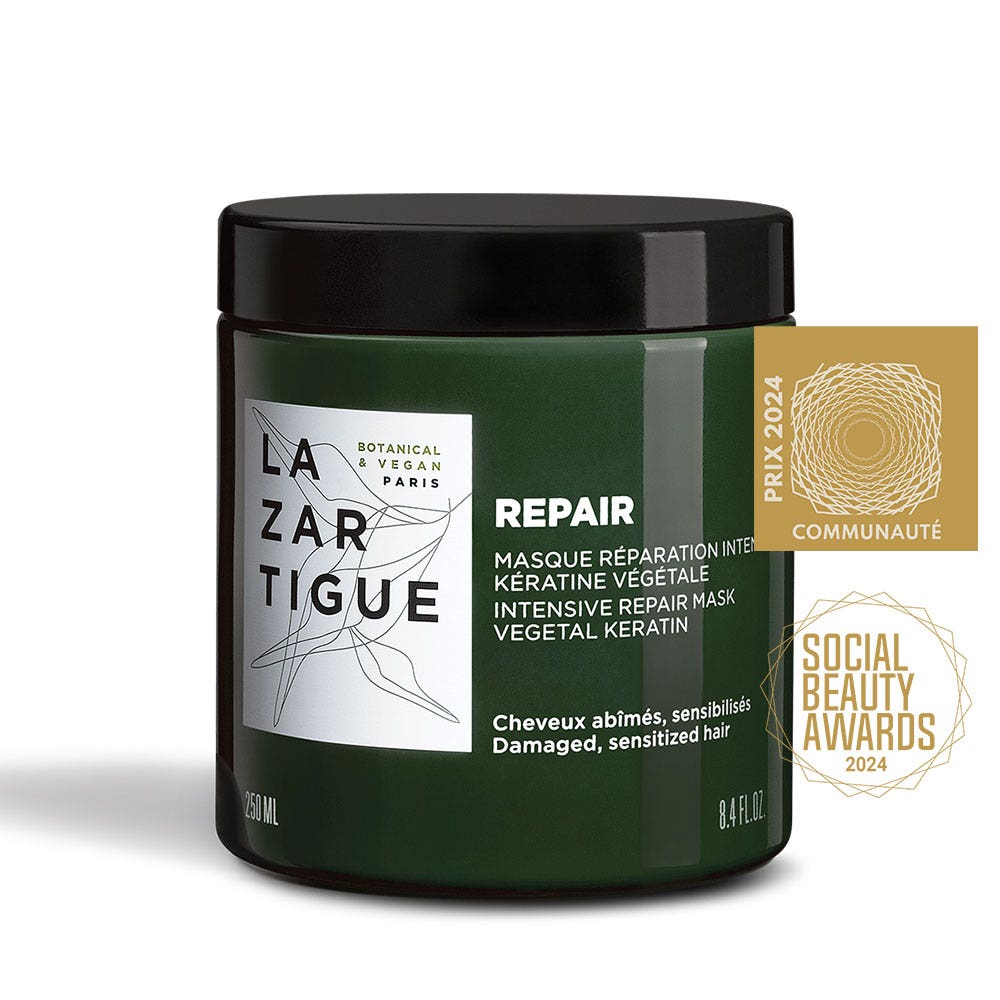
| Lazartigue | Intense Repair | Very fragile hair |
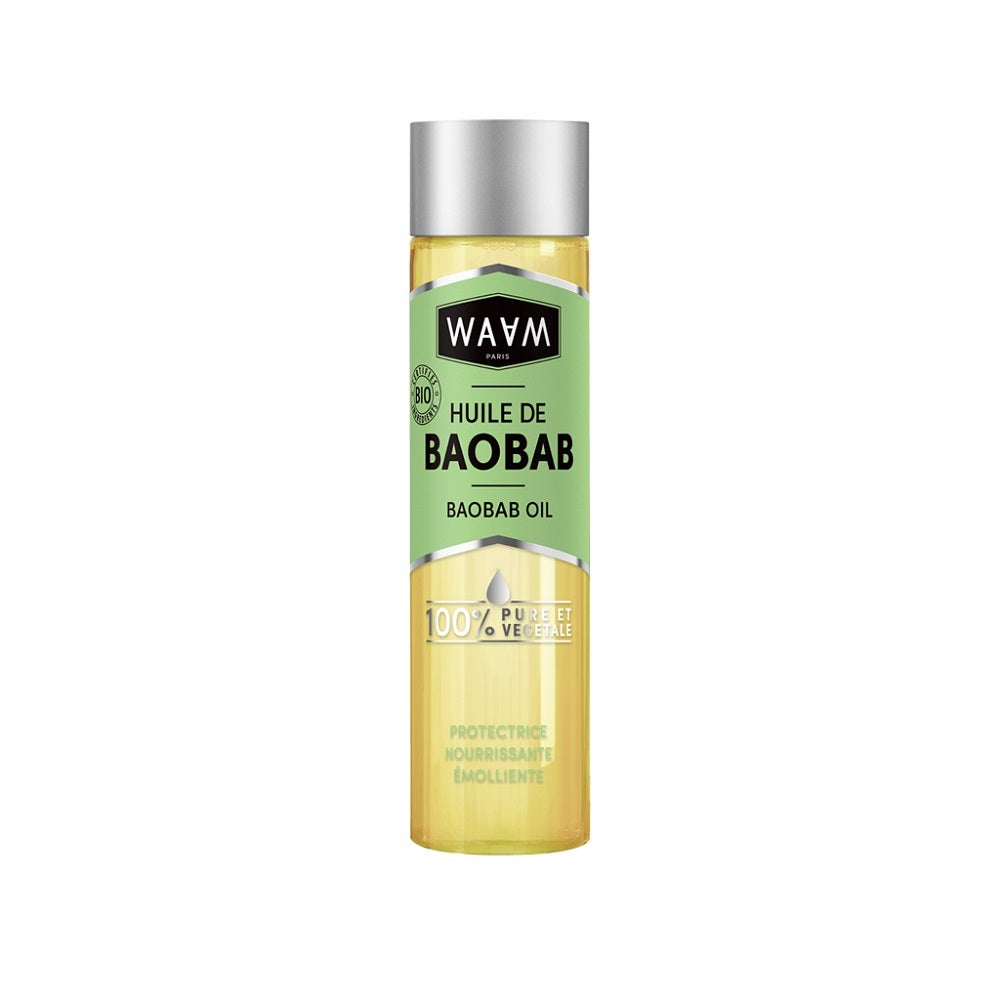
| WAAM Baobab | Deep Nutrition | Porous hair |
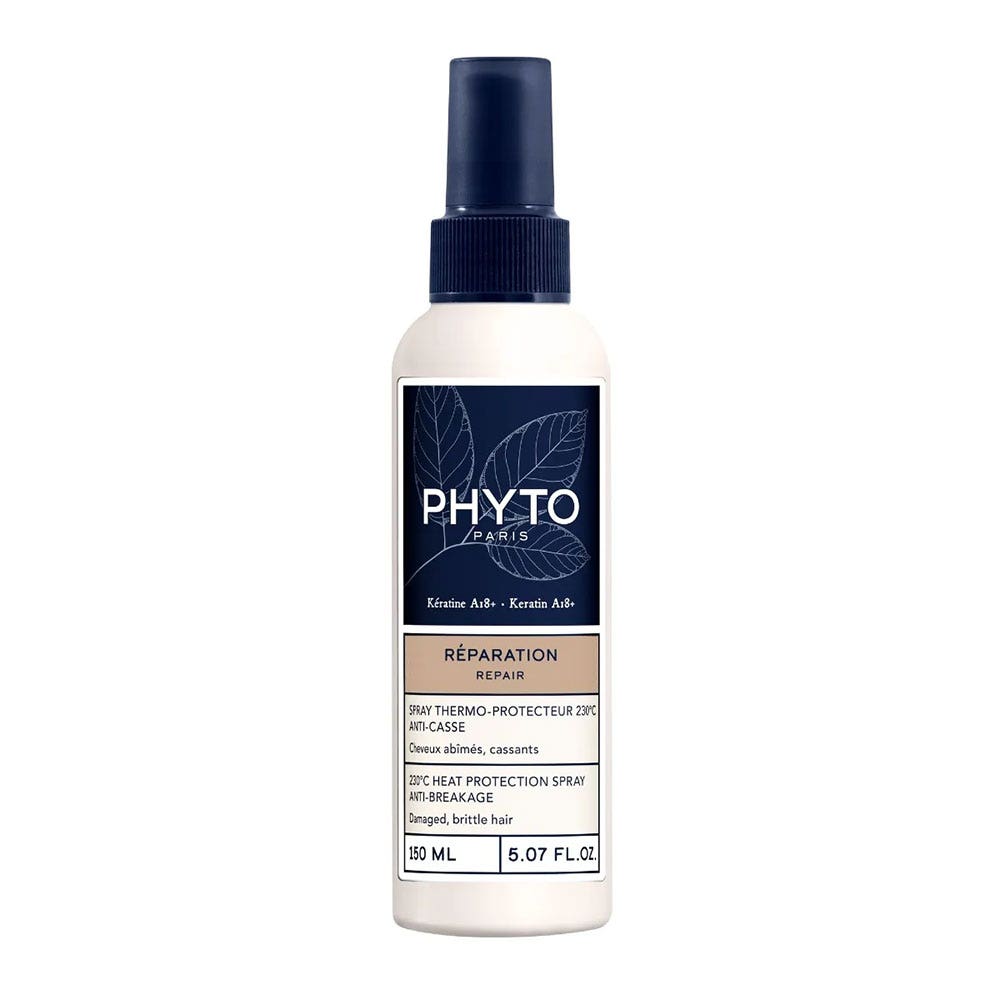
| Phyto Spray | Heat Protection | Heat styling tool users |
Addressing “straw-like hair” inevitably leads to a search for effective, targeted solutions. This is why we have carefully selected five flagship products, distinguished by their ability to restore hydration and softness to even the driest hair fibers.
These premium treatments, formulated with high-quality ingredients, promise to renew your hair’s texture by enveloping it in true regenerating care. Each product fights the straw effect for a transformed, silky, and luminous mane.
Are you ready to discover the must-have allies for your beauty routine? Here is a glimpse of the best that science and nature have to offer to bring vitality back to your hair.
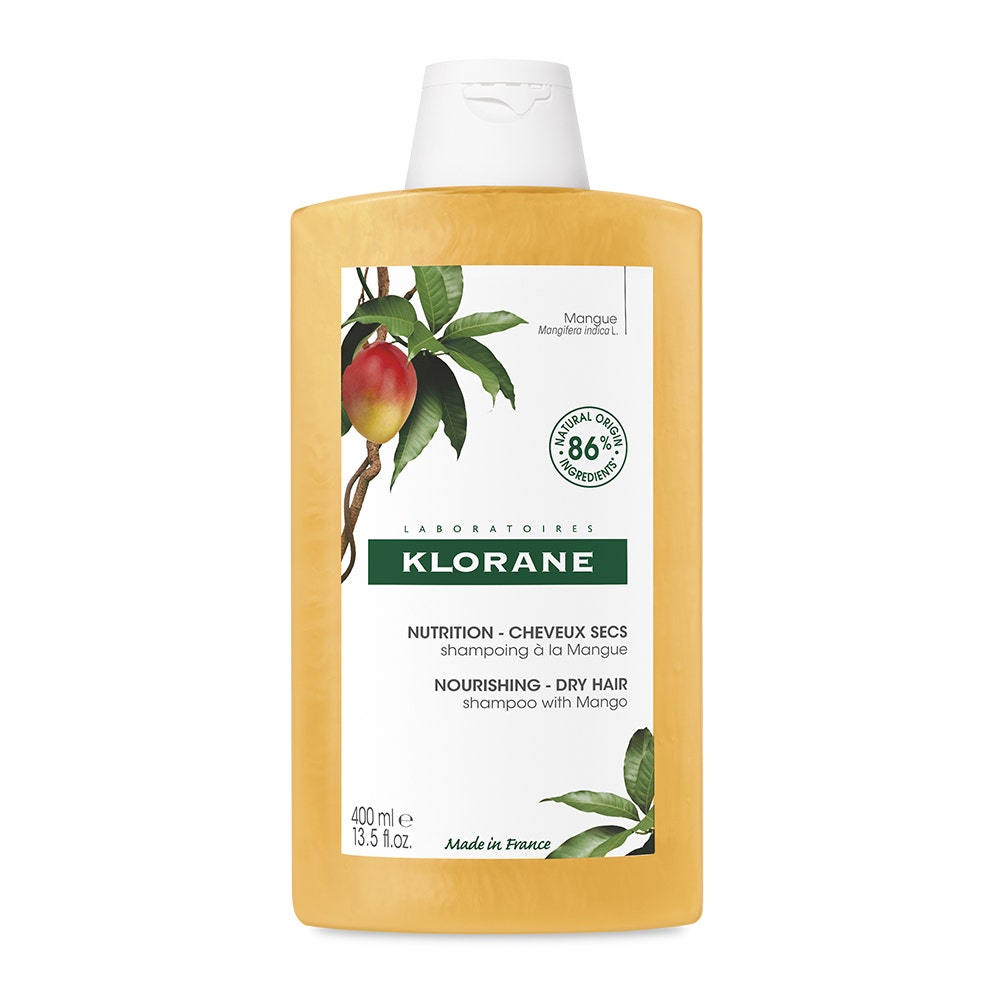
1. Klorane – Mango Nourishing Shampoo (400 ml)
Ideal for: Dry Hair Discover Klorane’s Mango Nourishing Shampoo, a true innovation designed to breathe life back into dry hair. Its formula is rich in mango extract—renowned for its intensely nourishing properties—which penetrates the heart of the hair fiber to hydrate and restructure from root to tip.
-
The Benefits: An elixir of softness that transforms dull, rough hair into a shiny, manageable mane.
-
Ethical Beauty: The mangoes are organically and ethically grown, selected for their high fatty acid and polyphenol content to protect the hair shaft.
-
The Experience: A creamy lather and exotic fragrance make every wash a sensory escape. Silicone-free for a natural feel and eco-friendly impact.
2. Arganicare – Repairing & Nourishing Conditioner with Keratin (400 ml)
Ideal for: Dry and Dehydrated Hair This conditioner combines two high-performance ingredients to tackle dehydration:
-
Keratin: The essential hair protein that repairs and strengthens the hair structure.
-
Argan Oil: Rich in antioxidants and essential fatty acids to nourish and illuminate.
-
The Result: It effectively detangles while acting as a protective shield, reducing breakage without weighing the hair down. Formulated without parabens or sulfates for gentle yet effective daily care.
3. Lazartigue – Repair Intensive Repair Mask (250 ml)
Ideal for: Very Dry and Damaged Hair A concentrated professional treatment designed to restore the health of severely damaged hair.
-
Deep Action: Enriched with soy protein, it helps rebuild the internal structure of the fiber while providing intense hydration.
-
Texture: It envelops every strand in regenerating benefits, leaving hair silky, luminous, and incredibly easy to style. A perfect ally for a total hair transformation.
4. WAAM – Baobab Vegetable Oil (100 ml)
Ideal for: Porous and Fragile Hair Extracted from the seeds of the “Tree of Life,” this 100% natural oil is a versatile elixir for both hair and skin.
-
Nutrient-Rich: Packed with essential fatty acids, vitamins A, D, E, and F, and powerful antioxidants.
-
Protection: It forms a protective veil that locks in moisture and improves elasticity.
-
The Texture: Rich yet lightweight, it absorbs quickly without leaving a greasy residue—an ancestral secret for authentic, lasting beauty.
5. Phyto – Phytokeratine Thermal Protectant Repairing Spray (150 ml)
Ideal for: Heat Styling Users An innovative solution for those who style their hair frequently but want to prevent damage.
-
Key Ingredients: Plant-based keratin and hyaluronic acid work together to intensely hydrate and reconstruct the hair fiber.
-
Heat Shield: Contains grape extract, a potent antioxidant that shields hair from the high temperatures of dryers and flat irons.
-
The Result: Lightweight and non-greasy, it leaves hair soft and shiny while preventing breakage during styling.
- Your hair feels dry to the touch
- It lacks shine and luster
- It is difficult to detangle
- It breaks easily (brittle hair)
- It looks stiff or frizzy, even after shampooing
- Be sulfate-free, to gently cleanse without stripping away the hair’s natural oils.
- Have a creamy texture, which nourishes and protects the hair fiber during washing.
- Contain hydrating active ingredients, such as aloe vera, vegetable oils, or keratin.
- Yes, because sebum circulates less easily along the hair lengths.
- They require more nutrition to stay healthy and resilient.
- Vegetable oils and butters are highly recommended to protect the fiber.
- It is best to avoid harsh washing to preserve the hair’s natural moisture.
Yes, a balanced diet is essential for healthy hair.
- Proteins: Essential for keratin production and hair strength.
- Omega-3: Healthy fatty acids that nourish the scalp and boost shine.
- Vitamins A and E: Key antioxidants that protect and hydrate the hair fiber.